Why Regular Dental Care Supports Soundness in Georgia Horses
Why Regular Dental Care Supports Soundness in Georgia Horses
Maintaining your horse’s overall health and performance goes far beyond routine hoof trims and vaccinations. In Georgia’s hot, humid August, one critical area that is often overlooked is equine dental care. At Southern Crescent Equine Services in Newnan, GA, our veterinary team is committed to helping horse owners understand how regular dental exams and professional floating support comfort, feed efficiency, and, most importantly, soundness. Whether you compete with your horse, enjoy pleasure riding, or manage a broodmare herd, comprehensive dental care can make a significant difference in your horse’s quality of life and performance throughout the year.
This blog will explore how dental health impacts your horse’s ability to stay sound, why Georgia’s climate poses unique dental challenges, what to watch for in terms of dental problems, and how our advanced services—including dental exams and dental floating—can help support your horse’s wellbeing. We will also cover when to schedule dental care and what you can expect during your visit to Southern Crescent Equine Services.
Recognizing Dental Problems That Affect Soundness
Dental issues in horses are not always obvious at first glance, yet they can have a profound impact on your horse’s comfort, body condition, and even movement. Key signs that your horse may be experiencing dental discomfort include dropping grain or hay while eating, excessive salivation, reluctance to accept the bit, head tossing under saddle, or even subtle changes in attitude. In some cases, you may notice undigested feed in manure, weight loss, or a dull coat. Other symptoms can include foul breath, swelling along the jaw or cheeks, and resistance to bridling.
These changes can directly affect soundness. When your horse cannot chew properly or is experiencing oral pain, they may compensate by altering their head carriage or jaw movement. Over time, this can result in tension through the poll and neck, uneven muscle development, and even lameness or poor performance. Horses that are not able to process feed efficiently may also lose condition, further impacting their ability to perform or recover from work in the demanding heat of a Georgia summer.
Why Do Dental Issues Occur in Horses?
Horses’ teeth are designed to continuously erupt and wear down as they graze on rough forage. However, modern feeding practices, limited grazing, and confinement can contribute to uneven tooth wear. Most horses today consume a mix of hay, grain, and supplements which may not provide the same natural grinding action as continuous grazing. This can lead to sharp enamel points developing on the edges of the teeth, causing discomfort, ulcerations, and imbalance in the mouth.
Additionally, congenital abnormalities, missing teeth, or previous dental extractions may result in abnormal tooth alignment, further increasing the risk of hooks, ramps, and wave mouth. In younger horses, retained caps or wolf teeth can interfere with bit acceptance and performance. In older horses, worn or loose teeth and periodontal disease become more prevalent, making routine dental exams essential for early detection and management.
Georgia’s climate, especially in the summer, can exacerbate these problems. Horses may drink less due to heat, leading to drier feed and reduced salivation, making chewing more challenging. These factors combined mean that even horses on the best feeding program require regular dental evaluations to maintain optimal oral health and soundness.
Professional Equine Dental Care: What to Expect
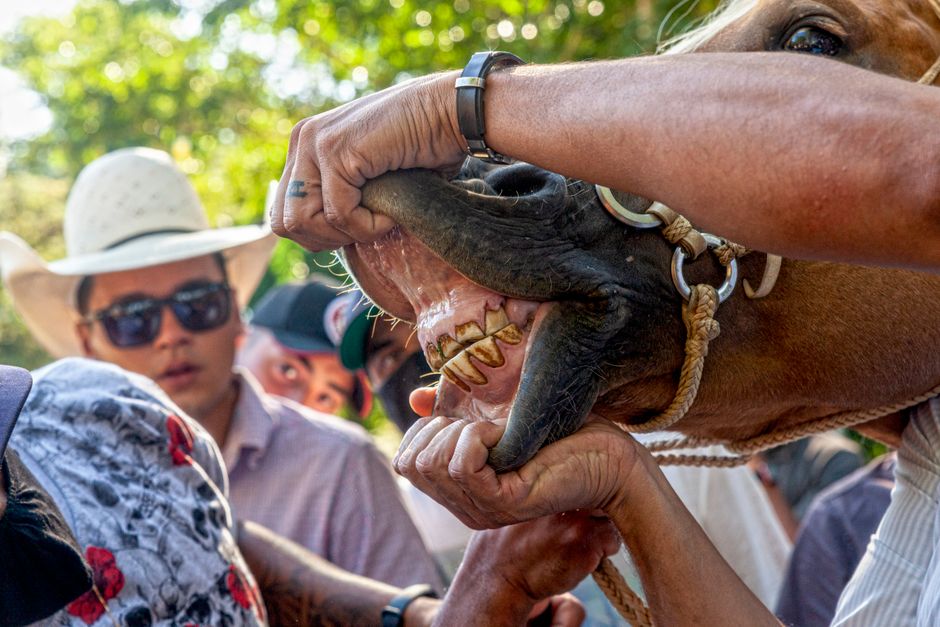
At Southern Crescent Equine Services, our focus is on advanced, comprehensive dental care tailored to the needs of each horse. Our veterinarians utilize specialized equipment and sedation protocols to ensure a thorough and stress-free examination. During a dental exam, we evaluate for sharp points, hooks, wave mouth, loose or fractured teeth, soft tissue injuries, and signs of infection. If needed, dental radiographs can be performed to assess tooth root health and underlying jaw structures.
The cornerstone of equine dental care is professional floating, which involves smoothing and balancing the chewing surfaces of the teeth to restore proper alignment and function. Our team uses advanced dental floating techniques, including motorized equipment such as the Power Float, to provide precise and efficient care. This technology allows us to address dental abnormalities quickly and with minimal stress to your horse, promoting comfort and improving feed utilization.
Horses with more advanced dental issues, such as fractured teeth or severe periodontal disease, may require additional procedures. Our veterinarians are skilled in tooth extractions and can provide appropriate aftercare to help your horse recover and return to normal function. We may also recommend periodic dental radiography for horses with ongoing dental concerns or those presenting with unexplained lameness or weight loss.
The Role of Dental Care in Preventing Lameness and Supporting Performance
A comfortable mouth is the foundation for proper biomechanics in the riding horse. When a horse’s teeth are sharp, uneven, or painful, they often compensate by changing their posture or the way they carry themselves. Over time, this compensation can lead to tightness in the poll, neck, and back, and even contribute to poor performance or unsoundness. For performance horses, maintaining good dental balance is especially important for consistent head carriage, bit acceptance, and overall athleticism.
Feed efficiency is another critical aspect. Horses with dental problems may not be able to chew hay or grain thoroughly, resulting in decreased nutrient absorption and potential weight loss. Poorly chewed feed can also contribute to choke or colic—two issues that are of particular concern during the hot, humid months, when horses may already be at greater risk for dehydration and digestive upset.
Routine dental care helps prevent these issues by ensuring that your horse’s teeth are balanced, pain-free, and able to process feed efficiently. This translates to more consistent body condition scores, improved stamina, and a reduced risk of lameness associated with compensatory movement patterns.
When Should You Schedule Dental Care for Your Horse?
Most horses benefit from a comprehensive dental exam and floating at least once per year, but some may require more frequent attention. Young horses, those beginning training, and senior horses often need more regular evaluations due to the rapid changes in their mouths. Additionally, any horse that begins showing signs of discomfort, changes in eating habits, or performance issues should be examined promptly.
Scheduling a dental exam during late summer or early fall is a good strategy for Georgia horse owners, as this timing allows your horse to enter the cooler months in optimal condition. It is especially important for horses in heavy work, show circuits, or breeding programs to maintain regular dental care to support their demanding schedules.
If you are unsure about your horse’s dental needs or are concerned about specific symptoms, our veterinary professionals are happy to provide guidance and recommend a care plan tailored to your horse’s individual requirements.
Home and Barn Management to Support Oral Health
While professional dental care is essential, there are also steps horse owners can take at home and in the barn to promote oral health. Providing access to ample clean water, encouraging natural grazing when possible, and offering a variety of forage types can help support healthy chewing and salivation. Monitoring your horse’s eating habits, manure consistency, and overall behavior can provide early clues to potential dental issues.
It’s important to remember that not all dental problems will be visible without a thorough oral examination. Relying on visual inspection alone may miss sharp points, ulcers, or deeper issues along the dental arcades. This is why partnering with an experienced equine veterinary team for regular, professional dental assessments is so important for your horse’s long-term health and soundness.
When to Seek Veterinary Care and Why Timely Action Matters
If you notice symptoms such as difficulty eating, head shaking, excessive salivation, or resistance to bridling, it is time to contact your equine veterinarian. Prompt attention to dental concerns can prevent escalation into more severe problems, including weight loss, colic, or lameness due to compensation. Horses that are due for their annual dental exam or who have not had their teeth checked in the past 12 months should also be evaluated to ensure there are no hidden issues affecting their comfort and performance.
The veterinary team at Southern Crescent Equine Services is equipped with advanced diagnostic and treatment tools to address all aspects of equine dental care, from routine floating to complex extractions and radiographic evaluations. We work closely with horse owners to develop individualized care plans that prioritize your horse’s wellbeing and athletic success.
Supporting Your Horse’s Soundness with Expert Dental Care in Newnan, GA
Regular dental care is a cornerstone of soundness and overall health for horses in Georgia’s challenging climate. At Southern Crescent Equine Services, our commitment to excellence in equine dentistry means your horse receives the highest standard of care, whether you need a routine dental exam, dental floating, or advanced procedures such as tooth extractions or dental radiography.
If you are searching for an "equine vet near me" in Newnan or the surrounding communities, our team of experienced veterinarians is ready to help you safeguard your horse’s comfort and performance, especially as the demands of summer continue. To schedule an appointment or discuss your horse’s dental needs, call (770) 252-6860 or visit us at 815 Herring Road, Newnan, GA 30265. Your horse’s soundness and happiness are always our priority.
This blog is intended for informational purposes only and is not a substitute for professional veterinary advice. If your horse is experiencing any signs of dental discomfort or illness, please seek immediate attention from a qualified equine veterinarian.