Summer Nutrition Tips for Healthy Horses in Georgia
Summer Nutrition Tips for Healthy Horses in Georgia
Keeping your horse healthy and thriving during Georgia’s hot, humid summer can be a challenge for any equestrian. Rapid temperature changes, persistent humidity, and lush pastures present unique nutritional risks that can impact everything from hydration to digestion. At Southern Crescent Equine Services, located at 815 Herring Road, Newnan, GA 30265, our team of equine veterinarians is dedicated to helping horse owners navigate these seasonal challenges through expert nutrition counseling and personalized veterinary care. In this guide, you’ll discover how to recognize summer nutrition concerns in horses, why they happen, and how to manage your horse’s diet for optimal health during the hottest months of the year. We’ll cover hydration strategies, forage and grain management, salt supplementation, and when to seek professional guidance—whether your horses are in the barn, out on pasture, or competing in the arena. If you’re searching for reliable equine nutrition guidance or advanced veterinary care for your horse in Newnan and surrounding communities, our veterinarians are here to support your equine partner’s well-being all summer long.
Recognizing Summer Nutrition Challenges in Georgia Horses
Horses in Georgia are often exposed to high temperatures and humidity starting as early as late spring, and these conditions persist well into summer. Recognizing when your horse may be struggling with nutrition-related issues is crucial during this season. Signs that summer nutrition could be affecting your horse’s performance or comfort include decreased appetite, lethargy, dull coat, weight loss, or signs of dehydration such as dry gums, sunken eyes, and skin tenting. Additionally, horses may sweat excessively during turnout or work, which can lead to significant electrolyte losses. Some horses develop digestive upset, showing symptoms such as loose manure or mild colic, particularly when pasture composition changes rapidly or when they are consuming more lush grass. Horses with metabolic concerns, such as those prone to laminitis, may also display increased digital pulses or shifting weight, especially when grazing is unrestricted. Recognizing these early warning signs allows owners to take timely action and prevent more serious health issues from developing as the summer progresses.
Why Summer Brings Unique Nutrition Risks for Horses
Georgia’s climate creates specific challenges for equine nutrition that go beyond simply providing more water. During hot, humid months, horses lose fluids and electrolytes at a faster rate through sweating, especially those that are exercised regularly or kept outdoors during the heat of the day. The region’s pastures can become very lush after spring rains, increasing the sugar content in grasses. This can put horses at risk for laminitis or weight gain if not managed carefully, particularly in horses with a history of metabolic issues or insulin resistance. Furthermore, high temperatures can suppress appetite and reduce overall forage intake, leaving horses at risk for gastric ulcers and digestive upset. Salt intake often becomes insufficient, as horses may avoid salt blocks or need more than what is provided in their standard feed. Finally, traveling for shows or trail rides during summer often means changes in feeding schedules and water sources, which can further disrupt digestive balance. Understanding these factors helps horse owners anticipate and reduce the risks associated with summer nutrition.
The Role of Hydration and Electrolytes
Hydration plays a critical role in your horse’s summer health. A typical 1,000-pound horse can lose several gallons of sweat during a single hot day, leading to significant fluid and electrolyte depletion. Horses that do not replenish these losses quickly can develop dehydration, muscle cramps, or even more severe conditions such as tying-up or heat stress. Electrolytes such as sodium, chloride, potassium, and calcium are essential for muscle function and nerve transmission. Without adequate replacement, horses may show signs of weakness, reluctance to move, or abnormal heart rhythms. Proper hydration and balanced electrolyte intake are at the core of a healthy summer nutrition plan.
Professional Nutrition Strategies for Horses During Georgia Summers
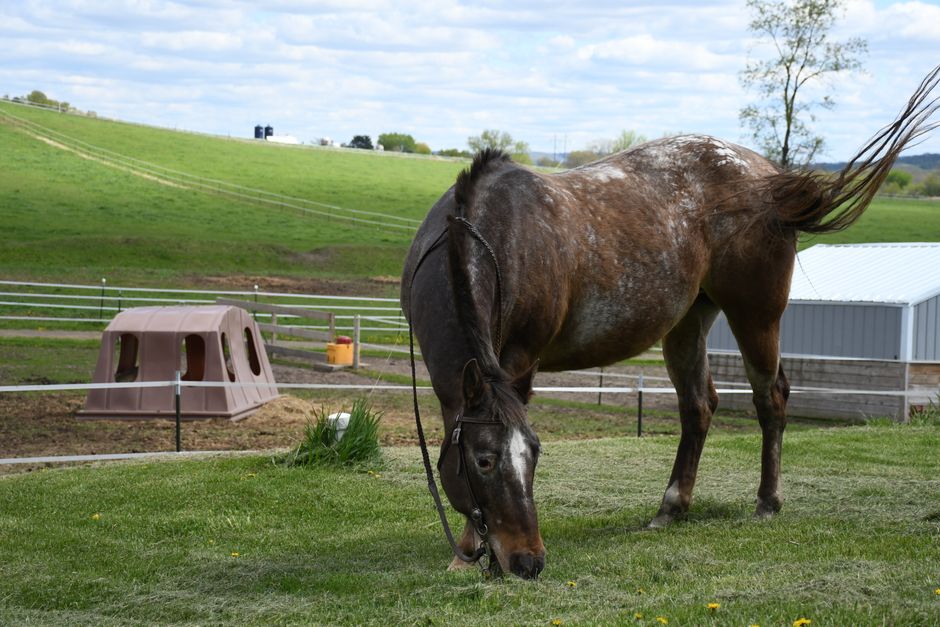
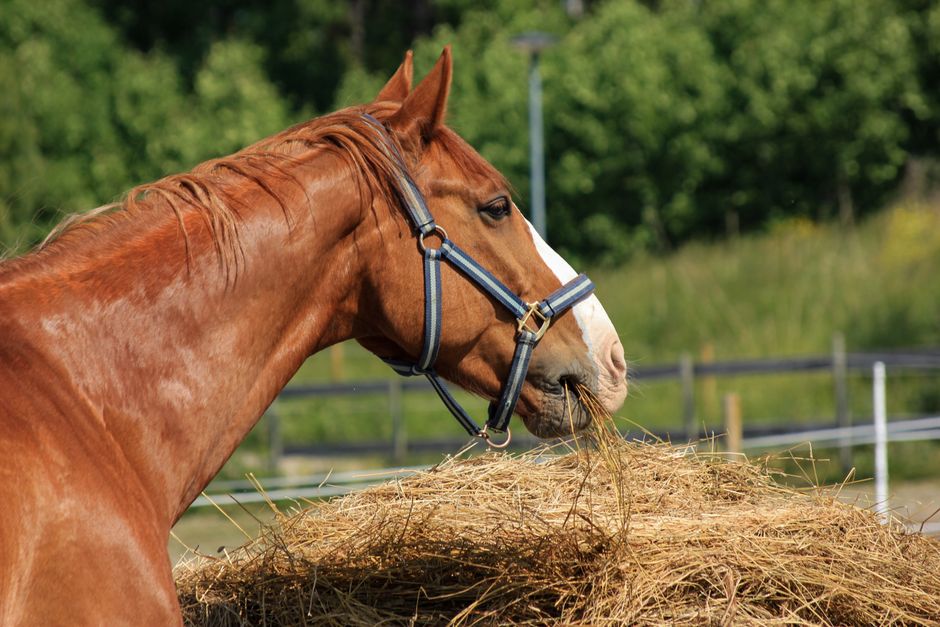
Our veterinary team at Southern Crescent Equine Services emphasizes a proactive approach to summer nutrition, tailored to the specific needs of each horse. Nutrition management during the hot season involves several key components. First, we recommend providing constant access to clean, fresh water, ideally in shaded areas to encourage frequent drinking. For horses on pasture, monitoring grass quality and quantity is essential. This may involve rotating grazing areas, limiting access during periods of rapid grass growth, or using grazing muzzles for horses prone to laminitis. When pasture is limited or sugar content is high, supplementing with tested, low-sugar hay ensures your horse receives consistent fiber without excessive carbohydrates.
Salt supplementation is an area often overlooked by horse owners. While salt blocks are a common fixture in barns, many horses do not consume enough to meet their summer needs. Our veterinarians often suggest adding loose salt directly to the feed, based on your horse’s body weight and sweat output, or using commercial electrolyte supplements during periods of intense heat or heavy exercise. Grain and concentrate rations should be adjusted according to workload and pasture availability, with careful monitoring to avoid excessive calorie intake. For performance horses or those with metabolic issues, we provide individualized nutrition plans that balance energy, protein, vitamins, and minerals to support both health and performance.
For horse owners seeking expert guidance, our equine nutrition counseling and prescription horse foods services offer a science-based approach to optimizing your horse’s diet throughout the summer and beyond. Our veterinarians analyze your horse’s current diet, evaluate forage and grain sources, and recommend practical changes aligned with your goals and your horse’s unique needs.
The Importance of Dental and Gastrointestinal Health
Proper dental care is a foundational aspect of summer nutrition, as dental discomfort can reduce forage intake and lead to weight loss or digestive upset. Our veterinary team performs thorough dental examinations and floating as needed, ensuring your horse can chew forage and grain efficiently. We also assess your horse’s risk for gastric ulcers, particularly for those in training or traveling during the summer, and recommend appropriate dietary management and, when necessary, medical intervention. Maintaining a healthy digestive tract is key to ensuring your horse gets the most out of every mouthful, even during periods of heat stress or reduced appetite.
Practical Summer Nutrition Tips for Horse Owners
Horse owners in Georgia can take several practical steps to support optimal nutrition during the summer months. Ensuring access to clean water at all times is essential; regularly check and refill troughs or buckets, and consider providing multiple water sources for horses in group turnout. Monitor your horse’s body condition score every few weeks, as weight can fluctuate quickly with changes in pasture quality or activity level. Adjust hay and grain rations as needed, increasing forage if your horse is losing weight or reducing concentrate if pasture is lush. Offer loose salt daily, either free choice or mixed with feed, and consider a veterinarian-approved electrolyte supplement during periods of heavy work or extreme heat.
Observe your horse’s manure, appetite, and overall demeanor each day. Horses that are reluctant to eat, show changes in manure consistency, or appear less energetic may be experiencing nutrition-related issues that need prompt attention. For horses with special dietary requirements or those at risk for laminitis, work closely with your veterinarian to develop a safe grazing and feeding plan. Whenever possible, introduce dietary changes gradually to reduce the risk of digestive upset.
Managing Special Cases: Performance and Senior Horses
Performance horses, older horses, and those with metabolic disorders require extra attention during Georgia summers. For athletic horses, nutrition plans should account for higher electrolyte losses, muscle recovery, and increased energy needs, especially during competition season. Senior horses may struggle with chewing or digesting certain forages, so selecting easily digestible hay or processed feeds can help maintain weight and condition. Horses with metabolic issues need strict pasture management and low-sugar diets to prevent laminitis and other complications. Our veterinarians provide tailored recommendations to address these special cases, including regular reassessment and ongoing support.
When to Seek Professional Equine Veterinary Care
Some summer nutrition issues can be managed at home, but there are clear situations where timely veterinary care is essential. Contact your equine veterinarian promptly if your horse shows signs of dehydration such as persistent skin tenting, dry or tacky gums, or refuses to drink despite high temperatures. Sudden changes in appetite, unexplained weight loss, colic symptoms, or reluctance to move can signal more serious health concerns that require immediate assessment. Horses with a history of laminitis, metabolic syndrome, or chronic digestive problems should have their nutrition plans reviewed by a veterinarian at the start of each summer season and whenever changes in condition are noticed.
At Southern Crescent Equine Services, our veterinarians provide comprehensive evaluations, diagnostic testing, and in-depth nutrition counseling to address the full spectrum of summer-related equine health concerns. Whether your horse needs a detailed diet analysis, advanced diagnostics, or urgent care, our commitment is to support your horse’s health with the highest standard of specialty equine veterinary medicine.
Supporting Your Horse’s Summer Health in Newnan and Beyond
Georgia’s summer climate demands proactive, informed care to keep horses performing, feeling, and looking their best. Consistent attention to hydration, forage management, salt and electrolyte supplementation, and individualized nutrition can make all the difference in your horse’s summer well-being. For horse owners in Newnan and surrounding communities, Southern Crescent Equine Services stands ready to help you navigate the season’s challenges with confidence.
If you have questions about your horse’s summer diet, are concerned about subtle changes in condition, or want to ensure your nutrition program is on the right track, schedule a consultation with our veterinary team. Learn more about our equine nutrition counseling and prescription horse foods for expert guidance tailored to your horse’s unique needs. When searching for an equine vet near me, trust Southern Crescent Equine Services for advanced care and local expertise.
Contact our veterinarians at (770) 252-6860 or visit us at 815 Herring Road, Newnan, GA 30265 to discuss your horse’s summer nutrition, schedule an appointment, or request on-farm services. Your horse’s health is our top priority, every season of the year.
This blog is intended for informational purposes only. Always consult with your equine veterinarian for specific advice regarding your horse’s health and nutrition.