Spotting Early Signs of Summer Lameness in Georgia Horses
Spotting Early Signs of Summer Lameness in Georgia Horses
As the summer heat settles over Newnan, GA and the humidity rises, horse owners across the region start to notice subtle changes in their horses’ comfort and performance. Lameness, which can range from a slight change in gait to an obvious inability to bear weight, becomes a common concern during the hottest months of the year. At Southern Crescent Equine Services, our team of veterinarians is dedicated to helping you recognize the earliest warning signs, understand the causes unique to Georgia’s climate, and know when to seek advanced care for your horse. This guide will walk you through the nuances of detecting summer lameness, the impact of weather and footing, and how our specialized services at 815 Herring Road, Newnan, GA 30265 can support your horse’s soundness throughout the season.
We will cover the subtle indicators of discomfort, discuss how environmental factors affect equine movement, and review the importance of timely and accurate diagnosis. By the end of this article, you’ll be better equipped to safeguard your horse’s health and performance, whether in the pasture, arena, or out on summer trails.
Recognizing the Early Signs of Summer Lameness
Spotting lameness in its earliest stages requires a keen eye and familiarity with your horse’s normal movement patterns. Early lameness may present as a slight head bob, uneven stride, or reluctance to move forward at a specific gait. You might notice your horse is less willing to pick up a lead, hesitates at turns, or seems more resistant during transitions. Additionally, subtle shifts in attitude, such as a newfound irritability when being tacked up or when hooves are handled, can signal discomfort.
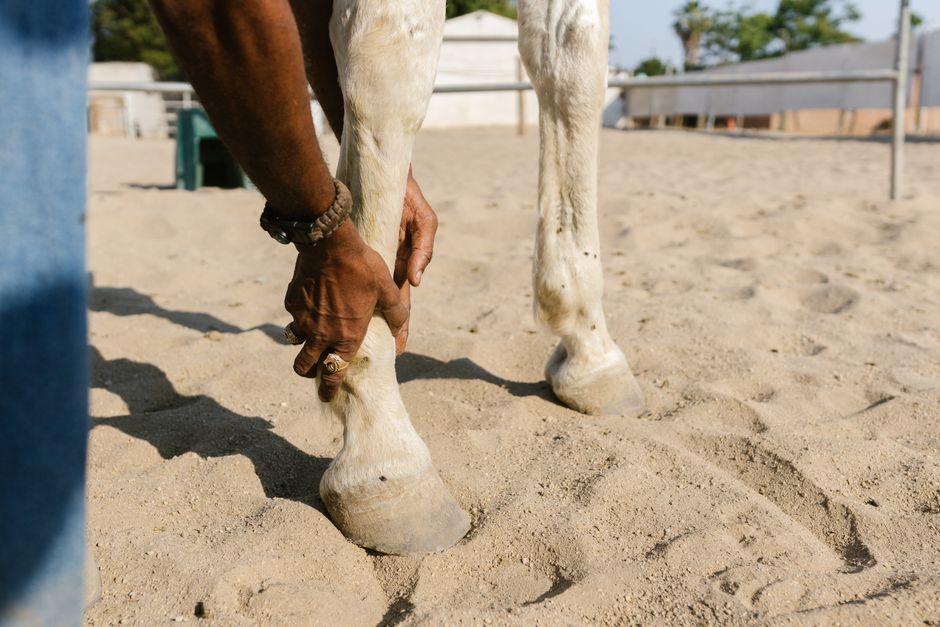
Other warning signs include heat or swelling in a limb, increased digital pulse, or a change in the way your horse stands—such as resting a particular leg more often or shifting weight frequently. In the summer months, these symptoms may be more pronounced after your horse has been turned out on hard, dry ground or following intense work on arena footing that has become compacted in the heat. Any of these changes warrant close attention, as catching lameness early can prevent more severe injuries or chronic conditions down the road.
What Makes Georgia Summers Challenging for Horses?
The Role of Heat, Humidity, and Footing
Georgia’s summer climate poses unique challenges for equine soundness. The combination of high temperatures and humidity leads to harder ground as pastures dry out, increasing concussion with each stride. At the same time, overnight storms or irrigation can create slick or inconsistent surfaces, further stressing tendons and ligaments. Horses that are exercised on arena footing may encounter dust, compaction, or sudden changes in traction, all of which contribute to uneven loading and a higher risk of minor injuries turning into significant lameness.
Humidity can also exacerbate hoof problems. Hooves tend to lose moisture and become brittle in dry spells, making them prone to cracks and chipped edges. Conversely, sudden rain can soften hooves, increasing the risk of bruising or abscess formation. These environmental swings are particularly hard on horses with a history of hoof sensitivity or those in active work.
Common Summer Lameness Causes
During the summer, several specific conditions tend to surface more frequently. Stone bruises are common when horses are worked on gravel or hard ground, and sole abscesses can develop quickly in wet-dry cycles. Laminitis, a potentially devastating inflammatory condition of the hoof, is another risk during periods of lush grass growth or when metabolic stress is high. For a deeper look at laminitis, our educational resource on What is Laminitis? provides essential information for horse owners.
Tendon and ligament strains may occur when horses are pushed during shows, trail rides, or conditioning, particularly if they are not properly conditioned for the level of work. Joint inflammation and mild arthritis can also flare in older horses or those with previous injuries, especially when footing conditions are less than ideal.
Professional Diagnosis and Advanced Lameness Care
The Value of Early and Accurate Assessment
If you suspect your horse may be developing lameness, prompt evaluation is crucial. An early diagnosis allows for targeted intervention, preventing further damage and supporting a quicker return to work. At Southern Crescent Equine Services, our veterinarians are highly trained in lameness evaluations and soundness exams, offering a comprehensive approach to diagnosis.
A typical lameness workup may include a detailed physical examination, gait analysis on various surfaces, and flexion tests to isolate the affected limb or joint. When more information is needed, advanced imaging technologies such as digital radiograph technology or diagnostic ultrasounds can reveal underlying issues within bones, joints, tendons, or ligaments. Our practice uses state-of-the-art equipment to deliver precise, timely results, allowing us to customize a treatment plan tailored to your horse’s unique needs.
Specialized Treatments for Summer Lameness
Once the source of lameness is identified, our veterinary team can offer a range of specialized therapies. For soft tissue injuries, treatments may include rest, controlled exercise programs, and regenerative therapies such as IRAP, PRP, or stem cell injections. Joint inflammation or mild arthritis can be managed with intra-articular medications, shock wave therapy, or chiropractic and acupuncture services.
For hoof-related lameness, our team works in tandem with your farrier to address imbalances, recommend corrective shoeing, and provide hoop care strategies that support hoof integrity throughout the fluctuating summer conditions. Nutrition also plays a pivotal role in recovery and prevention, and our veterinarians can guide you through equine nutrition counseling to ensure your horse receives the right balance of nutrients for optimal hoof and musculoskeletal health.
Preventing Lameness and Supporting Your Horse All Summer
Proactive Hoof Care and Environmental Management
Preventing summer lameness starts with vigilance and a proactive approach. Regularly picking out your horse’s hooves, keeping up with scheduled trims and shoeing, and working closely with your farrier can help avoid common hoof issues. Providing adequate shelter or shade, ensuring access to clean water, and managing turnout on safe, well-maintained pastures reduce the risk of environmental-related injuries.
Adjusting your horse’s workload based on the heat index and footing conditions is equally important. Monitor for signs of fatigue, and avoid riding during the hottest parts of the day when possible. Make gradual changes to exercise routines to allow tendons and ligaments time to adapt. If your horse is prone to metabolic issues or laminitis, work with our veterinarians to develop a nutrition and grazing management plan that minimizes risk during periods of rapid grass growth or stress.
Monitoring for Subtle Changes
Be attentive to small shifts in your horse’s gait, attitude, or willingness to work. Even minor reluctance can be an early indicator that something is amiss. Keeping a journal of daily observations, noting any swelling, heat, or changes in movement, can help you track patterns and provide valuable information to your veterinary professionals if a problem develops.
When Should You Call Your Equine Veterinarian?
It can be challenging to decide when a mild change warrants a call to your equine veterinary team. As a general rule, any persistent change in movement, unexplained swelling, heat in a limb, or reluctance to bear weight should prompt evaluation. Sudden or severe lameness, especially if accompanied by non-weight bearing, pronounced swelling, or distress, is considered an emergency and requires immediate attention.
If your horse’s performance declines without an obvious explanation, or if you notice recurring issues despite rest or basic care, it’s time to contact our team for a thorough assessment. Early intervention can make all the difference in preventing long-term consequences or chronic pain. Our practice is equipped to handle a wide range of lameness cases, from subtle performance issues to acute injuries, and we are committed to providing compassionate, expert care every step of the way.
Supporting Soundness: Your Local Resource for Equine Lameness
Summer in Newnan and the surrounding communities can be tough on horses, but with attentive management and the right veterinary support, your horse can remain comfortable and sound throughout the season. The key is to stay observant, address small changes promptly, and partner with your veterinary team for both preventive and advanced care.
If you notice early signs of lameness in your horse or want to discuss strategies for preventing summer injuries, contact Southern Crescent Equine Services at (770) 252-6860 or visit us at 815 Herring Road, Newnan, GA 30265. Our team of veterinarians is ready to help you with everything from lameness evaluations and soundness exams to hoof care, diagnostic ultrasounds, and nutrition counseling. When searching for an "equine vet near me," know that expertise, advanced diagnostics, and genuine concern for your horse’s wellbeing are right here in your community.
For more information on summer lameness or to schedule an evaluation, reach out today. Your horse’s comfort, performance, and long-term soundness are always our top priorities.