Preventing Summer Lameness in Horses: Mobile Vet Tips
Preventing Summer Lameness in Horses: Mobile Vet Tips
Georgia’s hot, humid summers can be tough on horses, especially when it comes to keeping them sound and comfortable. As a horse owner, you know that lameness can sideline your mare or gelding in the blink of an eye, disrupting training, pleasure riding, and even daily turnout. At Southern Crescent Equine Services, our team of equine veterinarians brings comprehensive mobile care right to your barn or pasture throughout Newnan, GA and surrounding communities. We understand the unique challenges Georgia’s summer weather brings, and we’re here to help you safeguard your horse against seasonal lameness risks.
In this blog, you’ll learn how to recognize the early signs of lameness in horses during the summer, what causes these issues to flare up, and how our ambulatory equine veterinary team can help with on-farm solutions. We’ll also share practical tips for prevention and explain when it’s time to call in professional help. Whether you’re managing a busy show barn or caring for a single pasture companion, these strategies will help you keep your horse moving comfortably all summer long.
Recognizing Summer Lameness: What Every Horse Owner Should Watch For
Summer lameness often sneaks up on even the most attentive horse owners. Warm-weather changes in footing, humidity, and routine can all contribute to subtle shifts in your horse’s movement. Key signs of summer lameness include a shortened stride, shifting weight from one hoof to another, or an uneven gait when walking or trotting. You might notice your horse seems reluctant to move forward under saddle, stumbles more often on hard ground, or hesitates to pick up the correct lead in the arena. Swelling or heat in the lower limbs, increased digital pulse, or sensitivity around the hoof are additional warnings that something is amiss.
Horses dealing with lameness during the summer might also develop a sudden aversion to turnout, especially if pasture footing becomes hard and dry. Other horses may appear stiff when coming out of the stall, or show a decrease in performance during training sessions. It’s important to pay close attention to these early indicators, as catching lameness early makes management and treatment far more successful.
Why Does Summer Lameness Happen? Understanding the Causes
Georgia’s summer environment creates a perfect storm for lameness in horses. The intense heat and humidity lead many owners to alter turnout schedules, sometimes keeping horses stalled for longer periods. This reduction in movement can cause joints and soft tissues to stiffen. When horses are turned out, the ground may be hard and dry, increasing concussion on hooves and joints. Conversely, sudden summer storms can quickly transform pastures into slippery, muddy hazards, raising the risk of strains, sprains, and hoof abscesses.
Hoof health is often at the center of summer lameness cases. Dry conditions can cause hooves to crack or chip, while excessive moisture from heavy rain can soften the hoof wall and sole, predisposing horses to bruising or thrush. Additionally, changes in grass quality and nutrition during the summer months may contribute to metabolic imbalances, increasing the risk of laminitis, especially in horses prone to insulin resistance or obesity. Increased insect activity and allergic reactions can also trigger inflammatory responses in the limbs, leading to discomfort and uneven movement.
Professional Lameness Evaluation and Treatment: What to Expect from Your Mobile Vet
If you suspect your horse is developing lameness, reaching out to a dedicated equine veterinary team for an on-farm evaluation is the best first step. At Southern Crescent Equine Services, our veterinarians come to your location in Newnan, GA and surrounding areas, minimizing stress for your horse and allowing us to observe movement in familiar environments. A comprehensive lameness evaluation may involve a careful physical exam, observation of your horse at the walk and trot, hoof testing, flexion tests, and, if needed, advanced diagnostics such as digital radiography or ultrasound.
Treatment options depend on the underlying cause, but may include therapeutic shoeing or trimming, joint injections, anti-inflammatory medications, or regenerative therapies such as IRAP, PRP, or shock wave therapy. For cases involving nutritional or metabolic concerns, our veterinarians can provide tailored recommendations to address diet and weight management. If dental discomfort is contributing to gait changes, mobile dental exams and floating are also available. Learn more about our approach to lameness evaluations and diagnostics for equine patients.
Preventing Lameness: Summer Strategies for Horse Owners
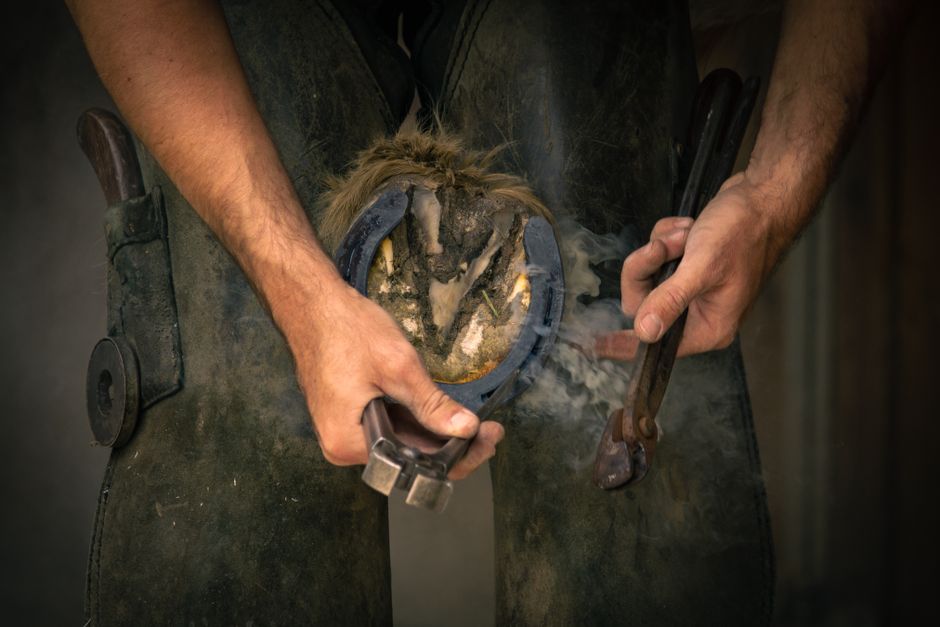
The best way to manage lameness is to prevent it from developing in the first place. During the summer, this means adapting your horse care routine to address weather and footing challenges. Regular hoof care is essential, so be sure to schedule timely trims or shoeing and consult with your farrier and veterinarian about the best approach for your horse’s specific needs. Maintaining clean, dry stalls and turnout areas reduces the risk of hoof infections like thrush, while monitoring pastures for hard or uneven ground helps prevent bruising and concussive injuries.
Providing balanced nutrition is vital, especially when pasture quality fluctuates during the hot months. Work with your veterinarian to ensure your horse’s diet supports healthy hoof growth and a stable metabolic profile. If your horse is prone to laminitis or metabolic syndrome, restrict grazing during periods of rapid grass growth and avoid overfeeding grain or sugary treats. Implementing a consistent exercise routine, even when turnout is limited by heat or storms, will help keep joints limber and muscles strong. For additional guidance on nutritional management, explore our nutritional counseling and prescription horse foods.
Fly control and environmental management also play a role in summer lameness prevention. Use fly sheets, masks, and repellents to minimize irritation, and remove manure promptly to reduce insect populations around the barn and pasture. Finally, always provide ample fresh water, as dehydration can contribute to muscle stiffness and reduced performance.
When to Call Your Mobile Equine Veterinary Team
Some lameness issues can be managed with rest and supportive care, but others require prompt attention from a veterinarian. You should contact your equine veterinary team right away if your horse is non-weight bearing on a limb, shows sudden severe lameness, or develops significant swelling, heat, or signs of infection in the hoof or leg. Persistent or recurring lameness, reluctance to move, or changes in behavior also warrant a professional evaluation. Early intervention is especially important during Georgia’s hot summers, as some conditions — such as laminitis or severe hoof abscesses — can progress rapidly and have lasting consequences if not treated promptly.
By choosing a mobile equine practice like Southern Crescent Equine Services, you gain the advantage of on-farm calls that reduce handling stress and allow for in-depth evaluation and treatment right where your horse lives. If you ever face an urgent situation, our veterinarians are equipped to provide emergency veterinary care for horses in Newnan, GA.
Keeping Your Horse Sound: Partnering with Southern Crescent Equine Services
Summer lameness doesn’t have to put your horse’s comfort or performance on hold. By staying alert to early warning signs, adapting your care routine for the season, and working closely with your veterinary team, you can help your horse thrive through Georgia’s hottest months. At Southern Crescent Equine Services, our five full-time equine veterinarians are dedicated to providing comprehensive, compassionate care with the convenience of ambulatory service. We come to your barn or pasture throughout Newnan and neighboring communities, delivering expertise in lameness prevention, diagnosis, and treatment.
If you’re searching for an “equine vet near me” to help you manage summer lameness risks or need advice on hoof care, nutrition, or preventive strategies, our team is here to help. Ready to schedule an on-farm visit or have concerns about your horse’s soundness? Call us at (770) 252-6860, or explore our services for hoof care and lameness evaluations. Together, we’ll help your horse stay healthy and comfortable, no matter how high the temperatures climb.
This blog is intended for informational purposes only and should not replace veterinary diagnosis or treatment. Always consult your equine veterinarian for individual advice and care for your horse.