Preparing Your Horse for Cooler Weather in Georgia
Preparing Your Horse for Cooler Weather in Georgia
As autumn arrives in Georgia, horse owners begin to notice subtle changes around the barn and pasture. The crisp morning air, shorter days, and shifting forage quality all signal that it is time to prepare your horse for cooler weather. For equestrians in Newnan and surrounding communities, a successful transition into fall is vital for keeping horses healthy, comfortable, and ready for whatever the season brings. At Southern Crescent Equine Services, our mobile equine veterinary team provides on-farm calls, making it easy to access high-quality horse care right at your barn or pasture. In this blog, we will cover the key considerations for preparing your horse for cooler weather in Georgia, including nutrition, blanketing, hoof care, and practical routines for fall. Whether you are managing a performance horse, broodmare, or trusty trail companion, these tips will help you support your horse’s wellbeing as the seasons change.
Recognizing When Your Horse Needs Seasonal Adjustments
As temperatures drop in October and November, horses may show signs that their management routine needs to be adjusted. Some horses grow thick winter coats, while others may remain sleek and require extra support to stay warm. Watch for changes such as increased energy requirements, shifting body condition, or sensitivity to cold and wind. Horses that are clipped for competition, older horses, and those with certain medical conditions may struggle to regulate their body temperature as effectively. Additionally, as pasture quality declines, some horses may begin to lose weight or have decreased energy. Early recognition of these signs allows you to address your horse’s needs proactively and prevent avoidable health challenges during the colder months.
Understanding Why Fall Preparation Matters for Horses
Georgia’s fall weather can be unpredictable, with warm afternoons giving way to chilly nights. This fluctuation places additional stress on your horse’s metabolism and immune system. As daylight hours decrease, pasture grass loses nutritional value, and some horses may have less turnout time due to wet or muddy conditions. These changes can contribute to weight loss, decreased hoof quality, and increased risk of respiratory illness. Horses rely on consistent nutrition and management to maintain condition and comfort when the weather turns cool. Understanding how temperature, forage quality, and management routines interact will help you make informed decisions for your horse’s health. For example, older horses or those with dental challenges may struggle to eat enough hay and may benefit from alternative forages or nutritional support. Horses in regular work may also require dietary adjustments as energy needs fluctuate with the weather and riding schedule.
Managing Nutrition and Body Condition in the Fall
Proper nutrition is the foundation of fall horse care. As pasture grass becomes less abundant and loses nutrients, many horses need supplemental hay or alternative forages to maintain body condition. Key strategies include monitoring your horse’s weight and body condition score regularly throughout the fall season. If you notice visible ribs, a dropped topline, or dull coat, these can indicate that your horse needs additional calories or a change in feed.
Our team at Southern Crescent Equine Services recommends evaluating your feeding program as early as possible in the fall. Many horses benefit from increased hay to meet fiber and energy requirements. High-quality grass hay is usually sufficient for easy keepers, while hard keepers or performance horses may require a blend of grass and legume hay or concentrated feeds. Horses with metabolic issues or a history of laminitis need careful management to avoid excess sugars and starches.
If you are unsure about your horse’s nutritional needs as the seasons change, our veterinarians can provide individualized guidance and recommend suitable feeds or supplements. For more detailed information on supporting your horse’s health through seasonal changes, explore our equine nutritional counseling and prescription horse foods page.
The Role of Blanketing and Coat Care
Not every horse requires a blanket during Georgia’s fall season, but some will benefit from extra protection as temperatures dip. Most horses grow a natural winter coat in response to shorter daylight hours. Healthy adult horses in good condition, with access to shelter and unlimited forage, are generally able to stay warm without a blanket until temperatures drop well below freezing. However, horses that are body clipped for competition, older or underweight horses, and those with medical conditions often need a blanket for added warmth.
When deciding whether to blanket your horse, consider factors like coat thickness, body condition, shelter availability, and weather patterns. Blanketing too early can interfere with the natural development of the winter coat, while failing to blanket a vulnerable horse may lead to cold stress and weight loss. Always ensure that blankets fit well, are clean, and checked daily for shifting or rubbing. Remove and adjust blankets during warmer afternoons to prevent sweating and skin issues. Regularly grooming your horse during the fall helps remove dirt, stimulates natural oils, and allows you to monitor skin health beneath the coat or blanket.
Hoof Care and Foot Health During Cooler Weather
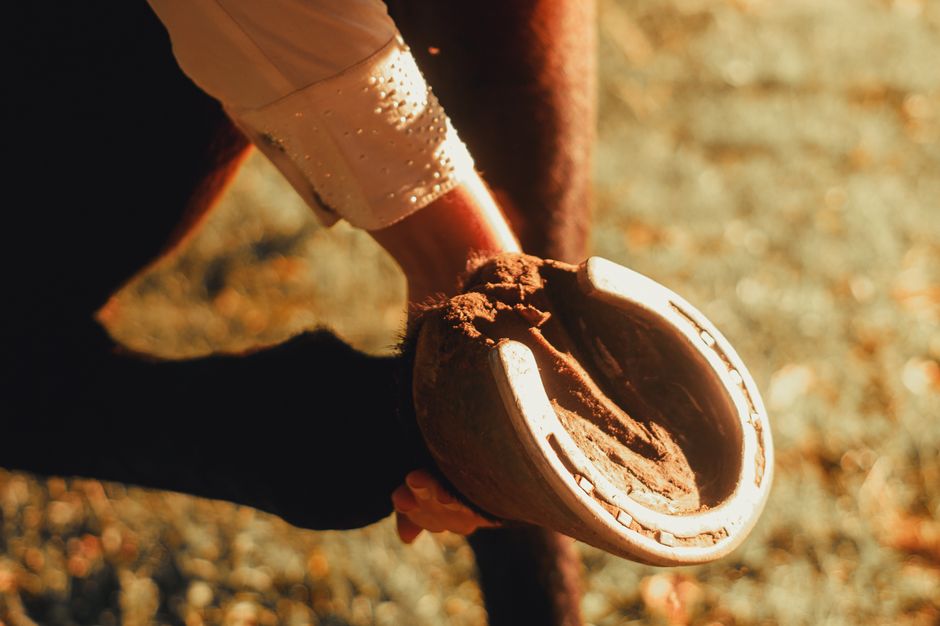
Fall presents unique challenges for maintaining healthy hooves. Wet, muddy conditions can lead to softening of the hoof wall and increased risk of thrush or abscesses. As horses spend more time in stalls or on limited turnout, regular hoof cleaning and inspection become even more important. Key warning signs to watch for include a foul odor, black discharge, or sensitivity around the frog, which can indicate a developing infection.
Our veterinary team emphasizes the importance of scheduling routine farrier visits throughout the fall and winter months. Maintaining a consistent trimming or shoeing schedule helps prevent overgrowth, imbalances, and related lameness issues. For more information on how we support healthy feet for horses during seasonal transitions, visit our equine hoof care services page.
Deworming and Preventive Health in the Fall
Parasite control remains a vital component of fall horse care in Georgia. As the weather cools, certain equine parasites become more active, and fall deworming is often recommended to reduce worm burdens before winter. It is important to work with your veterinarian to develop a targeted deworming plan based on fecal egg counts and your horse’s individual risk factors. Overuse of dewormers can contribute to resistance, so a strategic approach is best.
To assist horse owners with seasonal parasite prevention, we offer a variety of horse deworming guides that outline best practices and timing for effective parasite control. A comprehensive fall health check may also include vaccinations, dental exams, and other preventive services to ensure your horse enters winter in optimal condition.
Practical Fall Management Routines for Georgia Horse Owners
Successfully preparing your horse for cooler weather involves more than nutrition and hoof care. Adjusting daily routines to match changing daylight and weather conditions helps minimize stress and maintain health. Some practical steps include increasing hay during cold snaps, providing shelter from wind and rain, and monitoring water intake as horses may drink less in cooler weather. Keeping water sources ice-free and ensuring salt availability can encourage proper hydration.
For horses in work, gradually adjust exercise routines to match weather and footing conditions. Allow time for longer warm-ups and cool-downs, and monitor for signs of stiffness or discomfort. Regularly check your horse’s body condition, coat quality, and behavior for early signs of illness or discomfort. Preventive care, such as scheduling dental exams or updating vaccinations, is best done before winter weather sets in.
When to Call a Veterinarian for Fall Horse Care
While many aspects of fall horse care can be managed at the barn, there are situations where professional veterinary support is essential. If you notice sudden weight loss, persistent cough, nasal discharge, swollen legs, lameness, or behavioral changes as the weather cools, contact our equine veterinary team promptly. Horses with a history of metabolic disease, respiratory issues, or chronic lameness may require special attention during seasonal transitions. We encourage horse owners to schedule a fall health evaluation if you have any concerns about your horse’s readiness for the colder months.
Our mobile service model means we come to your barn or pasture in Newnan and surrounding communities, reducing stress for your horse and providing convenient access to comprehensive equine care. Whether you need nutritional guidance, hoof evaluations, or help with fall vaccinations and deworming, our veterinarians are here to support your horse’s health.
Local Expertise and Support for Horses in Newnan, Georgia
Preparing your horse for cooler weather in Georgia involves proactive nutrition management, thoughtful blanketing decisions, attentive hoof care, and regular preventive health routines. By staying alert to signs that your horse needs extra support and working closely with your veterinary professionals, you can ensure a smooth transition into fall and winter. If you are searching for an "equine vet near me" who provides ambulatory service and understands the unique needs of horses in our region, Southern Crescent Equine Services is ready to help.
For more information on nutrition, hoof health, and seasonal preventive care, explore our detailed resources on equine nutritional counseling and prescription horse foods, hoof care services, and deworming guides. To schedule a fall health evaluation or request an on-farm visit in Newnan or nearby communities, call our veterinary team at (770) 252-6860 or visit us at 815 Herring Road, Newnan, GA 30265. We are dedicated to helping you keep your horse healthy, comfortable, and thriving as the seasons change.