Preparing Horses for November Weather in Georgia: Mobile Care Tips
Preparing Horses for November Weather in Georgia: Mobile Care Tips
As November arrives in Georgia, horse owners face new challenges that come with cooler temperatures, damp weather, and changing pasture conditions. At Southern Crescent Equine Services, our mission is to help you keep your horse healthy and comfortable at home, especially as the seasons shift. With our mobile veterinary services based in Newnan, GA, you can rely on personalized, stress-free care delivered right to your barn. In this guide, we will discuss how to prepare your horse for November’s unique climate in Georgia, with a special focus on hoof care and nutrition—two key areas that can make a significant difference during the wet, cool season. You will learn how in-home adjustments and regular mobile vet visits can help prevent seasonal problems, reduce stress for your horse, and provide peace of mind for you. Whether you are searching for a “mobile vet near me” or need expert guidance for horse care in November in Georgia, our experienced veterinary team is here to support you every step of the way.
Recognizing Seasonal Horse Health Challenges in Georgia
Signs Your Horse May Struggle With November Transitions
Georgia’s November weather often brings dampness, fluctuating temperatures, and muddy pastures, which can create a perfect environment for common hoof and nutritional issues. You may notice your horse standing in wet areas more frequently, which can lead to softening of the hooves or the development of conditions like thrush and abscesses. Additionally, horses may experience changes in appetite, weight, or coat condition as their bodies adjust to cooler temperatures and potentially less grazing time. Symptoms to watch for include increased hoof sensitivity, a foul odor from the feet, visible cracks or softness in the hoof wall, and reluctance to move comfortably across different surfaces. On the nutritional side, signs such as loss of body condition, dull coat, or difficulty maintaining weight as pasture quality declines are all indicators that your horse may need extra support during this season.
Why November Weather in Georgia Poses Risks for Horses
The Science Behind Seasonal Challenges
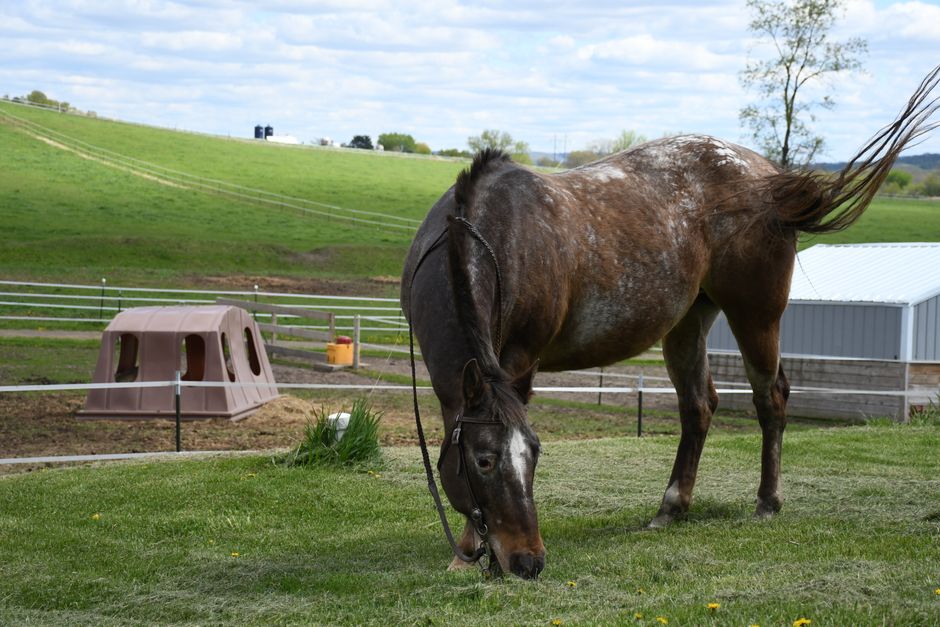
The transition from fall to winter in Georgia brings increased rainfall and heavier dew, resulting in persistently wet pastures and muddy turnout areas. These damp conditions can soften hooves, making them more susceptible to bacterial and fungal infections like thrush. Horses standing in wet environments for prolonged periods are at greater risk for hoof problems, especially if hoof care routines are not adjusted to accommodate the season. At the same time, the nutritional landscape changes as grass growth slows or stops entirely. Horses that rely on pasture for much of their diet may suddenly face a drop in available forage, which can compromise their energy intake and overall nutritional balance. Owners may also find it challenging to keep up with these fluctuations, as the need for hay and supplemental feed increases. These environmental and dietary shifts underscore the importance of proactive horse care in November in Georgia, tailored specifically to local weather patterns and pasture conditions.
Professional Mobile Hoof Care and Nutrition Management
How Our Mobile Veterinary Services Meet Seasonal Needs
Southern Crescent Equine Services specializes in providing comprehensive equine care right where your horse feels most comfortable—at home. This approach not only minimizes the stress of loading and transporting your horse but also allows our veterinary professionals to observe your animal’s environment and daily routines. When it comes to hoof care in Newnan, our mobile team brings advanced diagnostic tools and treatments directly to your barn. Services include regular trimming, evaluation for infections like thrush, and tailored recommendations for hoof conditioners or protective measures based on your horse’s unique needs. For horses exhibiting signs of discomfort or at risk for lameness, our team can provide prompt assessments and, if needed, implement treatments such as specialized shoeing or medical therapy.
On the nutrition front, our mobile equine nutrition consultations focus on creating a feeding plan that accommodates the reduced pasture quality and increased caloric demands of cooler weather. Our veterinary professionals can assess your horse’s body condition, recommend suitable hay types, and advise on supplements to address seasonal deficiencies. With mobile care, adjustments to your horse’s diet and environment are made with a full understanding of the conditions they face daily, ensuring recommendations are both practical and effective for horses in Newnan and surrounding communities.
At-Home Strategies for November Horse Care
Steps You Can Take Between Mobile Vet Visits
While professional care is essential, there are several proactive measures you can take to support your horse’s health during Georgia’s November weather. To maintain healthy hooves, ensure your horse’s living area is as dry as possible by regularly cleaning stalls and turnout spaces. Using gravel or mats in high-traffic areas can help reduce mud and moisture around your horse’s feet. Regularly picking out your horse’s hooves—ideally daily—can help you spot early signs of thrush or abscesses and remove debris that might trap moisture.
For nutritional well-being, monitor your horse’s body weight and condition closely as the season progresses. A simple hands-on check along the ribs and neck, combined with periodic weight tape measurements, can help you track changes that may not be obvious to the eye. Increase hay rations as needed to compensate for declining pasture quality, and make sure clean, fresh water is always available, as horses may be less inclined to drink when it is cooler. If your horse has special dietary needs or is at risk for metabolic conditions, consult with a mobile veterinarian near you for individualized recommendations. For more detailed advice on providing the right diet during seasonal changes, our team offers in-depth equine nutrition counseling to help you make informed choices.
When to Call for Professional Mobile Veterinary Care
Recognizing When In-Home Care Is Needed
Even with diligent home management, some situations require prompt attention from experienced equine veterinary professionals. You should contact a mobile vet near you if your horse develops persistent lameness, has a hoof that is hot or swollen, or shows signs of severe discomfort such as refusing to bear weight on a limb. Sudden changes in appetite, significant weight loss, or unexplained lethargy also warrant immediate evaluation. Horses that have a history of metabolic issues or are prone to laminitis may need more frequent assessments during seasonal transitions. The benefit of choosing a mobile vet near me is the ability to receive timely, expert care without the stress of transport, reducing the risk of complications and helping your horse recover more comfortably.
Prompt intervention can make all the difference when dealing with November-specific challenges like hoof infections or nutritional imbalances. Our mobile veterinary team in Newnan is equipped with advanced diagnostic technology and a wide range of treatment options, ensuring that your horse receives the best possible care whenever and wherever it is needed.
Why Choose Mobile Equine Services for November Horse Care in Newnan, GA?
The Benefits of In-Home Veterinary Attention
Mobile veterinary care offers unique advantages for both you and your horse, especially during unpredictable Georgia weather. In-home visits reduce the risk of stress-related issues that can arise from trailering and waiting at a clinic, allowing your horse to remain in a familiar environment. Our veterinary professionals are able to assess pasture, shelter, and feeding setups firsthand, providing recommendations that are tailored to your property and your horse’s daily life. This personalized attention is especially valuable when adjusting routines for horse care in November in Georgia, as the conditions can vary dramatically from one property to the next.
By working closely with a mobile veterinarian near me, you benefit from flexible appointment times, direct communication, and continuity of care throughout the season. Whether your horse needs a routine wellness check, specialized hoof evaluation, or customized nutrition plan, Southern Crescent Equine Services delivers comprehensive care with the convenience and compassion you deserve.
Take the Next Step: Schedule Your Mobile Equine Visit for November
As the weather changes, proactive horse care in November in Georgia is essential for maintaining your equine partner’s health and happiness. Our mobile veterinary team is ready to help you navigate the challenges of wet conditions, shifting nutrition needs, and increased hoof care demands—all from the comfort of your home. If you are searching for a “mobile vet near me” or want expert advice on supporting your horse through the season, reach out to Southern Crescent Equine Services today. We proudly serve Newnan, GA and surrounding communities, bringing advanced diagnostics, compassionate care, and tailored nutrition counseling directly to your barn.
To schedule your in-home appointment or to learn more about our hoof care services and mobile equine nutrition consultations, call (770) 252-6860. Our veterinary professionals are dedicated to supporting the wellbeing of your horse all season long and are proud to be your trusted resource for horse care and mobile vet expertise in Georgia. If you have concerns about your horse’s health this November, do not hesitate to get in touch—we are here to help you every step of the way.
Disclaimer: This blog provides general information for educational purposes and should not substitute for professional veterinary advice. Always consult with your veterinarian for specific recommendations regarding your horse’s health and care. For more on local weather trends and equine management, visit UGA Extension: Equine Resources.