Managing Mud and Wet Conditions for Healthy Hooves
Managing Mud and Wet Conditions for Healthy Hooves
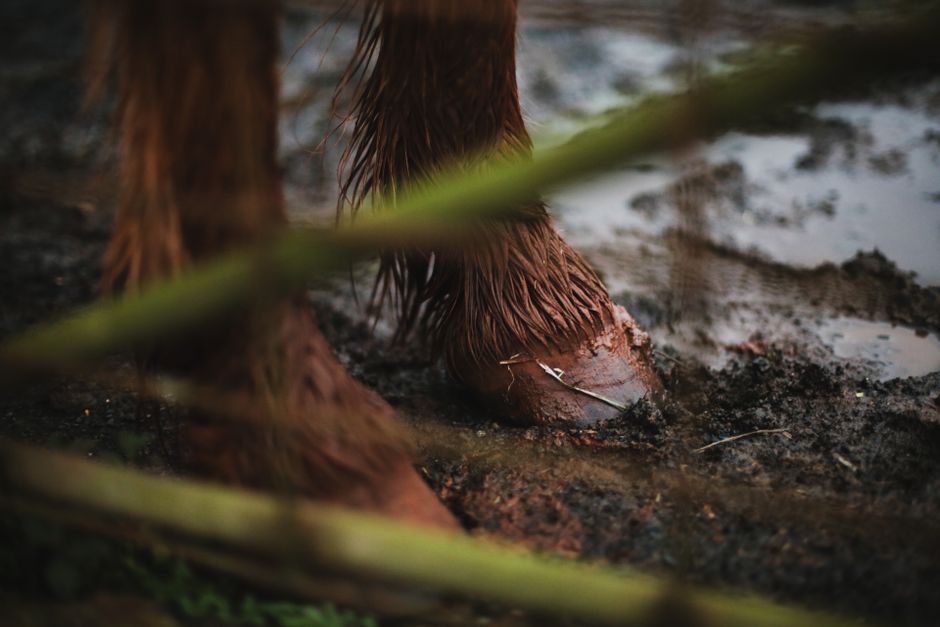
As autumn settles over Newnan, GA, and November rains soak local pastures, horse owners know all too well how quickly paddocks and turnout areas can turn muddy. These wet, sloppy conditions put your horse’s hooves at risk for a range of health problems, from soft soles and thrush to more serious infections. At Southern Crescent Equine Services, we understand the unique hoof care challenges that come with Georgia’s rainy season. Our veterinarians are committed to helping you maintain strong, healthy feet for your horse—no matter how wet the weather gets. In this guide, we’ll walk you through the signs of hoof trouble in muddy conditions, explain why these issues develop, and offer practical tips for both prevention and management. We’ll also cover when it’s time to schedule an appointment with our veterinary team at 815 Herring Road, Newnan, GA 30265 to keep your horse’s hooves on solid ground all season long.
Recognizing Hoof Problems Caused by Mud and Wet Weather
It’s easy for hoof issues to sneak up during the wet fall months. The signs of trouble can range from subtle changes in your horse’s movement to obvious discomfort. Common symptoms include a foul odor coming from the hoof, a black, crumbly appearance around the frog, or sensitivity when picking out the feet. You might notice your horse shifting weight more than usual, appearing stiff when walking across hard ground, or showing hesitation to move through mud. In some cases, you may see swelling around the pastern or digital cushion, or even detect heat in the hoof—signs that infection or inflammation could be taking hold. If your horse’s soles appear unusually soft or spongy, or if you see deep cracks or separations at the white line, these are further indications that wet conditions are affecting hoof integrity. Being vigilant about these changes is the first step in keeping your horse healthy during the rainy season.
Why Wet Conditions Put Hooves at Risk
Understanding how moisture impacts the hoof is essential for effective prevention. Horse hooves are designed to withstand a variety of weather, but prolonged exposure to mud and standing water can create the perfect environment for bacterial and fungal growth. Moisture softens the tough structures of the hoof, making them more prone to bruising, cracking, and invasion by pathogens. Conditions such as thrush often develop when bacteria thrive in the crevices of the frog and sole, especially if manure and bedding remain packed in the hoof. In particularly muddy paddocks, the repetitive cycle of wet and dry can cause the hoof wall to expand and contract, increasing the risk of cracks and white line disease. Horses with deep central sulci or unbalanced trimming may be even more susceptible, as these factors allow mud and debris to become trapped more easily. Wet conditions can also mask early warning signs, allowing problems to progress before they are detected. For more information about hoof conditions and related lameness, our equine lameness evaluation services provide in-depth diagnostics and solutions tailored to your horse’s needs.
The Role of Nutrition and Management
Beyond environmental moisture, factors like diet and turnout routine play a role in hoof health during wet months. Horses on nutritionally balanced diets with adequate biotin, zinc, and amino acids tend to grow stronger, more resilient hooves. Overgrazed or muddy pastures can also limit movement and natural hoof wear, potentially leading to imbalances that increase risk. Thoughtful management of both nutrition and environment can make a significant difference in your horse’s hoof resilience.
Professional Treatment and Management of Mud-Related Hoof Issues
If your horse shows signs of discomfort or develops hoof problems in muddy conditions, timely intervention is crucial. The approach to treatment depends on the specific issue. For thrush, the veterinary team may recommend thorough cleaning of the hoof, targeted application of antimicrobial or antifungal solutions, and adjustments to the turnout environment to promote drier conditions. For more advanced cases involving lameness, abscesses, or white line disease, our veterinarians may perform diagnostic imaging, such as digital radiographs, to assess the extent of the problem and develop a tailored treatment plan. Corrective trimming or therapeutic shoeing may be advised to restore balance and protect compromised areas of the hoof. In some situations, stall rest or restricted turnout may be necessary to allow healing. Early intervention is key; waiting too long to address these issues can lead to more severe infections, permanent hoof damage, or even systemic illness. Our hoof care services are designed to support your horse’s comfort and soundness, whether you need routine hoof maintenance or treatment for acute problems.
The Importance of Regular Hoof Evaluations
Scheduling consistent hoof evaluations, especially during wet seasons, allows our veterinarians to catch minor problems before they escalate. During these appointments, we can assess hoof balance, check for early signs of disease, and provide recommendations for trimming or shoeing tailored to your horse’s activity level and turnout environment. Routine evaluations also offer an opportunity to review your nutrition and management strategies, making sure your horse is equipped to handle the changing weather.
Preventing Hoof Problems in Muddy Pastures
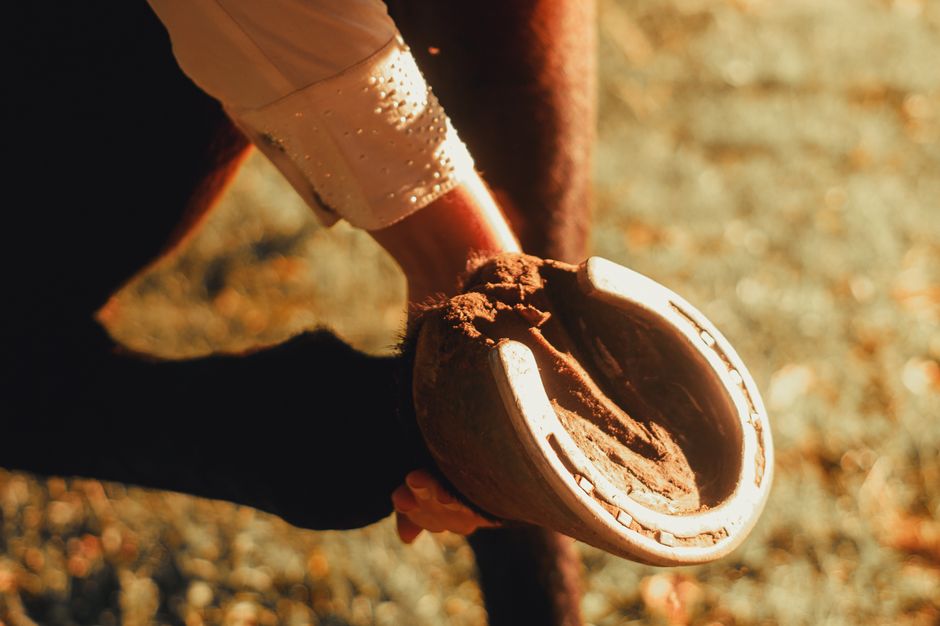
While some mud is inevitable in Georgia’s fall and winter, proactive management can minimize risks and keep your horse’s hooves healthy. Start by picking out hooves daily, focusing on removing packed mud and debris from the frog, sulci, and white line. Regular cleaning not only keeps the hooves dry but also gives you a chance to spot early changes. Providing dry, well-bedded shelters or run-in sheds allows horses to escape the worst of the mud, reducing constant exposure to moisture. Installing gravel or mats in high-traffic areas, such as gates and water troughs, helps improve drainage and footing. Rotating pastures, when possible, can prevent overuse and excessive churned-up mud in small paddocks. Additionally, maintaining a schedule for farrier visits and working with our veterinary team for hoof trims ensures optimal balance and hoof wall integrity. Nutrition should not be overlooked; consult with our veterinarians to evaluate your horse’s diet and consider hoof supplements if needed. For horses with recurring issues, topical hoof dressings or sealants may be recommended to provide an additional barrier against moisture.
Recognizing and Reducing Risk Factors
Certain horses are more vulnerable to mud-related hoof problems. If your horse has a history of laminitis, thin soles, or chronic hoof cracks, extra precautions are warranted. You can learn more about this serious condition by visiting our educational resource on laminitis in horses. Regular monitoring, prompt removal from muddy areas during severe weather, and close communication with our veterinarians will help protect even the most sensitive horses.
When to Call Your Veterinarian for Hoof Health
Despite your best efforts, muddy conditions sometimes lead to hoof problems that require professional attention. You should schedule an appointment with our veterinary team if you notice persistent lameness, foul-smelling discharge, swelling around the hoof or pastern, or if your horse is reluctant to bear weight on one or more limbs. Other red flags include deep cracks or separations at the white line, black or necrotic tissue in the frog, or a sudden spike in digital pulse or hoof temperature. Prompt evaluation ensures accurate diagnosis and rapid treatment, minimizing the risk of long-term complications. Our veterinarians can provide on-farm visits or in-hospital care at Southern Crescent Equine Services, offering advanced therapies and hoof care solutions tailored to your horse’s unique needs.
If you are ever unsure whether a situation is urgent, err on the side of caution and reach out to our veterinary team. Early intervention is always preferable to waiting, especially when your horse’s comfort and soundness are at stake.
Keeping Your Horse’s Hooves Healthy in Wet Georgia Weather
Managing mud and wet conditions is a reality for every horse owner in Newnan and the surrounding communities, but with the right approach, you can protect your horse’s hooves throughout the rainy season. Monitor your horse daily for changes in movement, hoof appearance, or sensitivity; provide dry shelter and improve drainage where possible; and keep up with scheduled hoof care and farrier appointments. If you have questions about prevention, notice warning signs, or want to develop a customized hoof care plan, our veterinary team at Southern Crescent Equine Services is here to help. Schedule an appointment by calling (770) 252-6860 or visiting us at 815 Herring Road, Newnan, GA 30265. For additional resources on hoof care and lameness evaluations, explore our hoof care services and lameness evaluation options.
When searching for an equine vet near me, trust our experienced veterinarians to provide the highest level of care for your horse’s feet. Your horse’s soundness and comfort are always our top priorities—together, we’ll help your horse stay healthy and active, no matter how muddy the season gets.
This blog is intended for informational purposes only and should not replace professional veterinary advice. If you have specific concerns about your horse’s hoof health, please contact our veterinary team for a thorough evaluation and personalized recommendations.