Managing Equine Lameness With Advanced Therapies This Fall
Managing Equine Lameness With Advanced Therapies This Fall
As September arrives in Newnan, GA, horse owners often notice subtle changes in their horses’ movement and comfort. The transition to cooler weather, shifts in pasture quality, and changes in training schedules can all contribute to a rise in lameness cases this time of year. If your horse is showing signs of discomfort, stiffness, or irregular gait, it is important to recognize the early warning signs of lameness and understand the advanced therapies available to support a safe and speedy return to soundness. At Southern Crescent Equine Services, located at 815 Herring Road, Newnan, GA 30265, our team of dedicated equine veterinarians specializes in lameness evaluation and regenerative therapies tailored for horses of all disciplines. This blog will guide you through the key signs of lameness, explore the unique causes that come with the fall season, and explain how therapies such as shock wave, IRAP, and PRP can help your horse recover and thrive.
Whether you are preparing for fall competitions, adjusting turnout schedules, or simply want to keep your horse comfortable as the weather changes, understanding the latest advances in equine lameness management is essential. Read on to learn how our specialized care can benefit your horse and provide peace of mind throughout the season.
Recognizing Lameness in Your Horse: Early Warning Signs This Fall
Identifying lameness early is crucial for successful treatment and a swift return to full activity. Many horse owners notice obvious signs such as limping or a pronounced head bob, but lameness often presents with more subtle changes at first. Signs to watch for include shortened stride, reluctance to move forward, shifting weight frequently, or stiffness after standing in the stall overnight. Some horses may develop an uneven gait under saddle or on the longe line, while others might simply seem irritable or less willing to work.
In the fall, these symptoms can be mistaken for normal adjustment to cooler temperatures or changes in exercise routines. However, persistent changes in movement, sensitivity to hoof testers, heat or swelling in the lower limbs, or difficulty turning are all indicators that your horse may be experiencing discomfort. If you notice any of these signs, a comprehensive lameness evaluation and diagnostic assessment with a qualified equine veterinary team is the best step forward.
Why Does Lameness Flare Up in the Fall? Understanding Seasonal Causes
Autumn can be a challenging season for horses’ musculoskeletal health. As pastures decline and grass loses nutritional value, horses may experience changes in body condition that alter weight distribution on their feet. The increased moisture from fall rains can soften hooves, making them more susceptible to bruising, abscesses, or flare-ups of chronic laminitis. Additionally, cooler mornings and damp footing in arenas or pastures may contribute to slips, minor strains, or exacerbation of old injuries.
Horses returning to work after lighter summer schedules, or those in heavier fall training for events, may develop overuse injuries or tendon strains during this period. For those prone to metabolic conditions, the risk of laminitis can also increase as pasture management changes. To better understand laminitis as a cause of lameness, horse owners are encouraged to review educational information about laminitis and discuss risk factors with their equine veterinarian.
Advanced Therapies for Managing Equine Lameness
Southern Crescent Equine Services is dedicated to providing advanced, evidence-based therapies that go beyond conventional rest and anti-inflammatories. Our specialized treatment options help optimize healing, reduce downtime, and support long-term soundness for horses of all ages and disciplines.
Shock Wave Therapy
Shock wave therapy is a non-invasive treatment that uses focused energy pulses to stimulate healing in bones, tendons, ligaments, and soft tissue. Horses undergoing shock wave therapy may experience relief from chronic conditions such as suspensory ligament injuries, navicular syndrome, or back pain. The therapy promotes blood flow, reduces inflammation, and encourages tissue regeneration. Many horse owners in Newnan have found that PulseVet shock wave therapy for equine musculoskeletal conditions is a valuable tool in returning their horses to work faster and with improved comfort.
IRAP and PRP Regenerative Therapies
Regenerative medicine has revolutionized how veterinarians manage joint and soft tissue injuries in horses. IRAP (Interleukin-1 Receptor Antagonist Protein) therapy involves processing the horse’s own blood to isolate anti-inflammatory proteins, which are then injected into affected joints. This can be especially beneficial for horses with chronic joint pain or early arthritis.
PRP (Platelet-Rich Plasma) therapy uses the horse’s concentrated platelets to promote tissue repair and accelerate healing of tendon or ligament injuries. Both therapies are minimally invasive and can be performed on the farm or in-hospital, often as part of a comprehensive rehabilitation plan. Learn more about these innovative IRAP and PRP regenerative therapies for equine injury and lameness and how they might help your horse this fall.
Diagnostic Tools and Additional Advanced Treatments
Accurate diagnosis is the cornerstone of effective lameness therapy. Our team utilizes cutting-edge technology such as diagnostic ultrasound services for evaluating equine soft-tissue injuries and digital radiography for diagnosing equine orthopedic and lameness conditions to pinpoint the exact location and nature of your horse’s problem. For more severe or chronic cases, stem cell injections and Pro-Stride therapy may be recommended as part of a customized treatment plan, but the cornerstone remains a thorough veterinary evaluation and accurate diagnosis.
Preventing Lameness: Keeping Your Horse Sound This Season
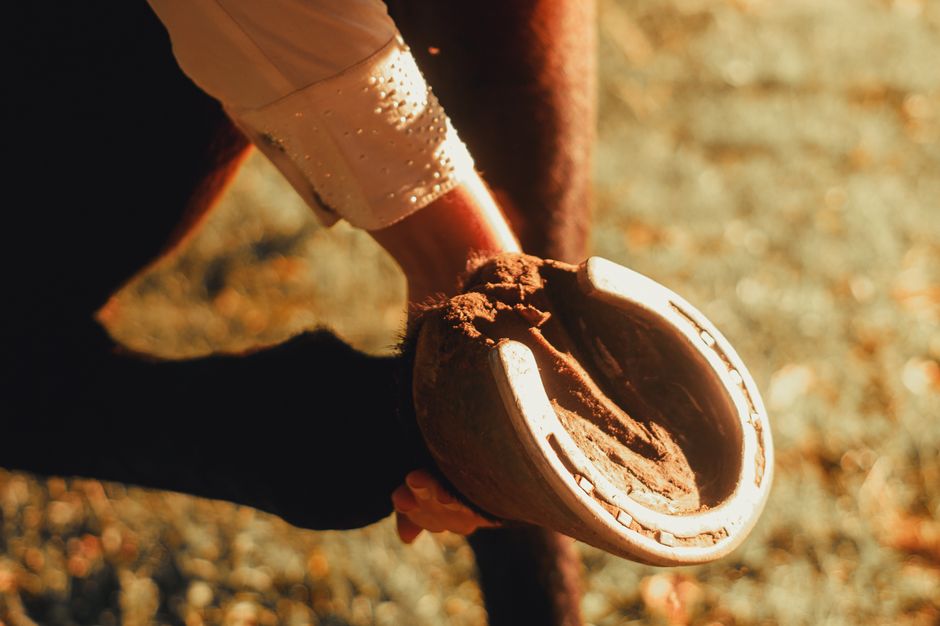
While not all cases of lameness can be prevented, there are practical steps every horse owner can take to reduce risk during the fall. Regular hoof care is fundamental; routine trims and prompt attention to cracks, bruising, or changes in hoof quality can keep your horse’s feet healthy through fluctuating weather. Learn more about equine hoof care supporting healthy feet, soundness, and lameness prevention to keep your horse comfortable year-round.
Maintaining an appropriate exercise routine is important as well. Gradually increase workload rather than making sudden changes, and be mindful of footing in arenas, pastures, and paddocks, as wet, uneven, or muddy ground can contribute to slips or soft-tissue injuries. Monitor your horse’s weight and adjust nutrition as pasture quality changes, ensuring your horse receives adequate vitamins, minerals, and energy. For horses with a history of metabolic issues or laminitis, consult your equine veterinarian to tailor a management plan that minimizes risk.
When to Seek Veterinary Care for Lameness
Every horse may experience mild soreness from time to time, but persistent or worsening lameness should always be evaluated by a veterinary professional. Immediate attention is needed if your horse is non-weight bearing, exhibits severe swelling or heat in the limb, has an obvious wound or puncture, or develops acute lameness without improvement. Horses showing signs of laminitis, such as increased digital pulse, reluctance to move, or standing with the front feet stretched forward, require urgent intervention.
If you notice subtle changes in movement or attitude, scheduling a lameness evaluation with our equine veterinarians ensures prompt diagnosis and timely treatment. By addressing lameness early, you can prevent minor issues from becoming chronic problems that limit your horse’s performance and well-being.
Bringing It All Together: Expert Lameness Care in Newnan and Surrounding Areas
As fall settles in across Newnan and surrounding communities, your horse’s comfort and soundness depend on attentive care and access to the latest veterinary advances. Whether your horse is recovering from a recent injury, managing a chronic condition, or returning to work after time off, the team at Southern Crescent Equine Services is here to support every step of the journey. Our specialized therapies, including PulseVet shock wave therapy for equine musculoskeletal conditions and IRAP and PRP regenerative therapies for equine injury and lameness, are designed to restore comfort and function for horses of all backgrounds.
If you are searching for an "equine vet near me" who offers advanced diagnostics, regenerative medicine, and a true passion for equine health, consider partnering with our veterinary professionals. To schedule a lameness evaluation or discuss your horse’s unique needs this season, call (770) 252-6860 or visit us at 815 Herring Road, Newnan, GA 30265. Let our experienced team help keep your horse comfortable, active, and ready for every challenge this fall and beyond.
This blog is intended for informational purposes only and should not replace professional veterinary advice. Always consult your equine veterinarian for diagnosis and treatment tailored to your horse’s individual needs.