How to Keep Your Horse Healthy in Early Winter
How to Keep Your Horse Healthy in Early Winter
As autumn gives way to the brisk November air here in Newnan, GA, horse owners are preparing their barns, pastures, and daily routines for the arrival of early winter. At Southern Crescent Equine Services, we know that the seasonal shift brings unique challenges for your horse’s health, from changes in nutrition and hydration needs to the increased risk of certain health issues. Whether you manage a busy stable or care for a single pasture companion, understanding how to protect your horse through winter’s early weeks is essential for their comfort, wellbeing, and long-term soundness.
In this blog, we’ll guide you through the most important aspects of early winter care for horses. Our team of experienced equine veterinarians at 815 Herring Road, Newnan, GA 30265 will cover signs that your horse may need extra support as the seasons change, explain the underlying challenges posed by cooler temperatures, and provide actionable steps for nutrition, hydration, hoof care, and stable management. We’ll also share when it’s time to seek veterinary care, and how you can rely on our expertise for both preventive and urgent equine needs. To further support your winter preparation, you’ll find helpful resources about equine nutrition counseling and hoof care services throughout this guide.
Recognizing Early Winter Health Challenges in Horses
As soon as temperatures begin to drop in the Newnan area, your horse’s daily routine and environment can change in subtle ways that impact health. Recognizing the early warning signs of seasonal stress is the first step in keeping your horse healthy through the winter months.
Common concerns that arise during early winter include weight loss, reduced water intake, changes in coat condition, hoof issues, and a greater risk for colic. Horse owners often notice that a horse’s body condition score may start to decrease as the pastures go dormant and forage quality declines; additionally, horses may drink less as water troughs cool down, which can lead to dehydration or impaction colic. You might observe that your horse’s coat becomes dull, or that they are slower to shed out any remaining summer hair; other horses show signs of discomfort when standing on frozen or muddy ground, indicating the beginning of hoof problems.
Pay close attention to changes in your horse’s appetite, water consumption, manure consistency, and overall attitude. Subtle changes such as a horse standing off from the herd, decreased interest in feed, or reluctance to move freely in the paddock can all signal that something is amiss as early winter takes hold.
Why Early Winter Presents Extra Risks for Horses
The transition from fall to winter in Georgia is marked by fluctuating temperatures, increased precipitation, and shorter daylight hours. These environmental changes can disrupt your horse’s natural routines and put stress on their metabolic systems.
As grass growth halts and pastures lose nutritional value, horses often need adjustments to their diet to maintain body condition. The colder weather can suppress thirst, making dehydration more likely even if water is available. Diminished pasture time and increased stabling may also reduce your horse’s activity level, which can slow gut motility and increase the risk for colic. The repeated thawing and freezing of ground in early winter creates muddy, uneven footing that can exacerbate hoof issues, especially if horses are still transitioning from summer turnout schedules.
For those with performance horses or broodmares, early winter may also coincide with specific management needs, including adjusting exercise routines and preparing for the breeding season ahead. Addressing these seasonal challenges proactively is essential for keeping your horse healthy, comfortable, and ready for anything winter brings.
Nutrition for Horses in Early Winter
Proper nutrition is the foundation of winter health for all horses, whether they are idle, in light work, or part of an active show or breeding program. With the decline in pasture quality, your horse will rely increasingly on hay; it is important to ensure that hay is clean, mold-free, and offered in adequate quantities to support both calorie needs and gut health.
Key considerations for winter nutrition include evaluating your horse’s body condition score regularly and adjusting rations as needed. Some horses, especially older individuals or hard keepers, may require higher-calorie feeds or supplemental fat sources to prevent weight loss. Adding a vitamin and mineral balancer can help fill nutritional gaps that may occur when pasture access is limited.
If you are uncertain about the best nutritional approach for your horse this winter, our team offers equine nutrition counseling tailored to the needs of horses in the Newnan area. We can help you select the right forage, concentrate, and supplement strategies to support optimal health throughout the cold season.
Hydration: Preventing Dehydration and Colic
Many horse owners are surprised to learn that dehydration is a common issue in winter. As temperatures fall, horses may drink less, especially if water sources become uncomfortably cold or start to freeze around the edges. Insufficient water intake is a significant risk factor for impaction colic, a potentially serious condition that becomes more prevalent in the winter months.
To encourage your horse to drink, ensure that water is always clean, fresh, and accessible. Heated water buckets or tank de-icers can help prevent freezing and make water more palatable. Some horses drink more readily if offered slightly warmed water, especially after exercise or during cold snaps. Monitoring your horse’s manure for dryness or decreased volume provides an early warning sign of possible dehydration.
Remember, horses should have access to at least 10-12 gallons of water per day, and intake may increase if more hay is fed. Salt blocks or loose salt offered free-choice can also stimulate thirst and help maintain proper hydration. If you notice changes in your horse’s drinking habits or suspect early signs of colic, review this educational resource about colic in horses and contact your veterinarian promptly.
Hoof Care: Keeping Feet Healthy in Wet and Cold Conditions
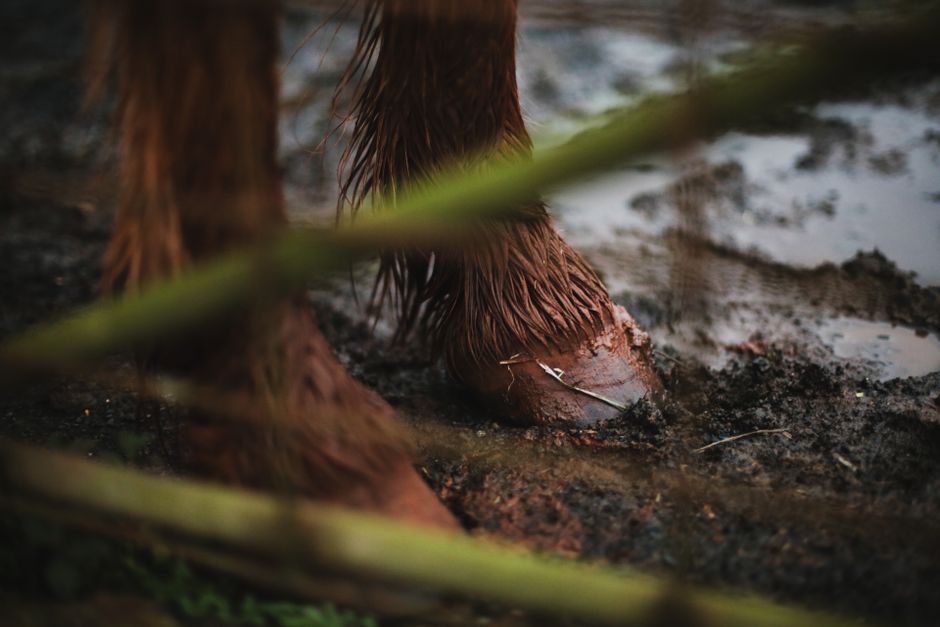
Hoof health is especially vulnerable during early winter in Georgia, when pastures and paddocks may alternate between muddy, frozen, and wet conditions. The constant cycle of moisture and drying can weaken the hoof wall, making horses more susceptible to thrush, abscesses, and cracks. Horses kept in stalls may also experience more hoof growth or imbalances if regular farrier visits are disrupted by weather.
Maintaining a consistent hoof care schedule is critical during this season. Our hoof care services support your horse’s soundness and comfort, whether you need routine trims, corrective shoeing, or evaluation for lameness. Picking out feet daily, especially after turnout in muddy areas, helps prevent problems before they start. Pay attention to any heat, swelling, or signs of lameness, which could indicate deeper hoof issues or the onset of conditions like laminitis.
Discuss hoof care strategies with your farrier and veterinary team to address individual needs; horses with a history of laminitis, sole sensitivity, or other chronic issues may require special management as the weather shifts.
Stable and Pasture Management for Winter Comfort
A safe, dry, and comfortable environment is essential for keeping horses healthy during early winter. As rain and temperature fluctuations increase, monitor your barn and paddocks for muddy areas, standing water, or icy patches that could lead to slips and injuries.
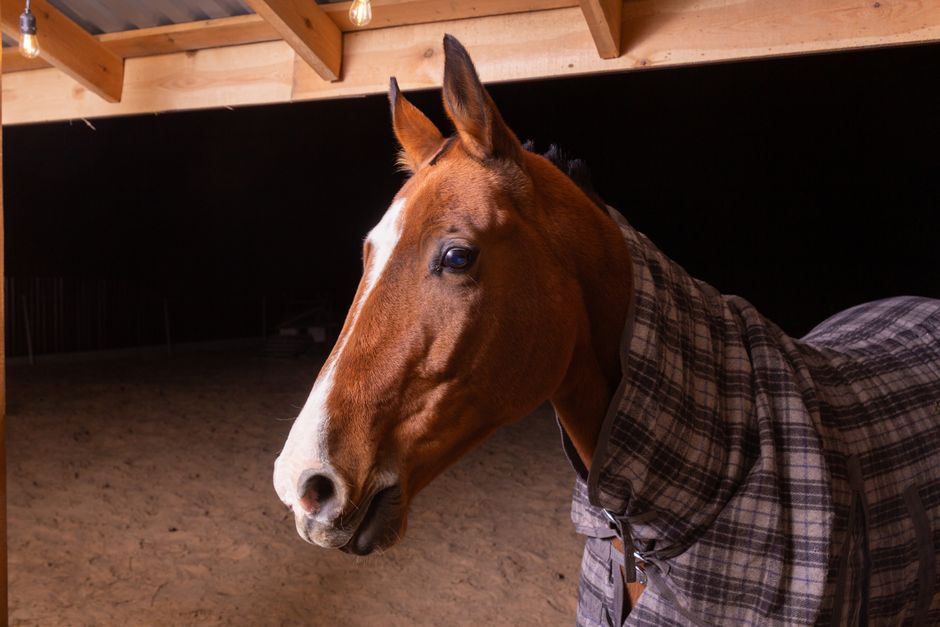
Ensure that shelters and run-in sheds provide adequate windbreak and are kept clean and well-bedded. Stalled horses should have plenty of ventilation to reduce ammonia buildup and respiratory stress. Blanketing decisions should be based on individual needs, considering coat condition, age, and workload; over-blanketing can lead to overheating, while under-blanketing may leave some horses vulnerable to cold stress.
Rotating turnout areas helps preserve pasture health and gives horses a clean, dry place to move. Keep an eye on fencing and gates, as winter weather can cause damage or shifting that may go unnoticed until a problem arises. Regularly checking for hazards and making timely repairs helps prevent injuries and ensures your horse’s environment remains safe throughout the season.
When to Call Your Equine Veterinarian
While many aspects of early winter horse care can be managed through attentive daily routines, there are situations where prompt veterinary attention is essential. Call your equine veterinarian if you notice rapid weight loss, persistent dull coat, signs of dehydration, or any lameness that does not resolve with rest. Other red flags include colic symptoms such as pawing, rolling, decreased manure output, or refusal to eat; these warrant immediate evaluation.
If your horse is due for vaccinations, dental care, or routine health checks, scheduling these before the deepest cold sets in can help prevent avoidable complications. Our team at Southern Crescent Equine Services is here to provide comprehensive care, whether you need advice about winter nutrition, vaccination scheduling, or urgent evaluations for health concerns.
For questions about equine vaccination services, hoof care, or colic prevention, do not hesitate to reach out. If you are ever unsure about your horse’s status or need guidance for a specific issue, our veterinary team is only a call away.
Local Support for Horse Owners in Newnan and Beyond
At Southern Crescent Equine Services, we understand the unique needs of horses and their owners in Newnan and surrounding communities. Our team is committed to supporting you through the changing seasons, with both in-hospital and ambulatory services designed to keep your horse healthy and comfortable. Every member of our veterinary team is dedicated to providing knowledgeable, compassionate care—whether you are managing a competitive show horse, a broodmare, or a beloved companion in your pasture.
If you are searching for an "equine vet near me" this winter, know that our professionals are ready to help you navigate the challenges of early winter horse care. Schedule an appointment by calling (770) 252-6860 or visit us at 815 Herring Road, Newnan, GA 30265. For more information about nutrition, hoof care, or emergency services, explore our resources on equine nutrition counseling, hoof care services, and colic education.
By working together, we can ensure your horse enjoys a healthy, safe, and comfortable winter season. Reach out to our veterinary professionals for advice, preventive care, and peace of mind—your horse deserves nothing less.