Guarding Hoof Health: Thrush Prevention for Georgia Horses in August
Guarding Hoof Health: Thrush Prevention for Georgia Horses in August
Keeping your horse’s hooves healthy during Georgia’s hot, humid August can be a real challenge, especially for horse owners in Newnan and surrounding communities. Warm temperatures, frequent summer storms, and high humidity create the perfect environment for thrush and other hoof infections to take hold. At Southern Crescent Equine Services, located at 815 Herring Road, Newnan, GA 30265, our veterinary team understands the unique hoof health risks that Georgia horses face in late summer. This guide will help you recognize the early warning signs of thrush, understand what causes it, and learn practical prevention strategies. You’ll also discover how our specialized hoof care services and advanced diagnostics can keep your horse sound and comfortable, no matter how wet the season.
Recognizing Thrush: What Every Horse Owner Should Watch For
Thrush is a common bacterial infection that targets the frog and sulci of the hoof, thriving in warm, damp, and dirty conditions. Recognizing the early signs of thrush is critical to catching the infection before it causes lameness or deeper structural damage.
Key symptoms of thrush include a strong, foul odor coming from the hoof, especially when cleaning out the sulci near the frog. You may notice a black, tarry discharge in the affected areas, along with softening or crumbling of frog tissue. Horses with more advanced thrush can develop sensitivity to hoof picking or mild lameness, particularly on soft or muddy footing. In severe cases, swelling or heat may occur in the pastern and heel, sometimes accompanied by a reluctance to bear weight.
If you notice any of these signs, especially during the humid August weather, it’s important to act quickly. Prompt attention can make the difference between a simple cleaning routine and a prolonged recovery for your horse.
Why Does Thrush Develop in Georgia’s Summer Climate?
Understanding the root causes of thrush helps horse owners implement effective prevention strategies. Thrush is primarily caused by anaerobic bacteria, most commonly Fusobacterium necrophorum, which flourish in environments lacking oxygen and rich in organic debris. Georgia’s August climate presents several risk factors.
Consistent rainfall, dew-laden mornings, and high humidity create persistent dampness in pastures, turnout areas, and even stalls. When hooves remain wet for extended periods, the frog’s natural defenses break down, making it easier for bacteria to invade. Horses kept in muddy paddocks, unclean stalls, or areas with poor drainage face an increased risk. Additionally, horses with deep central sulci, contracted heels, or naturally low frog integrity are more susceptible to thrush.
Routine hoof cleaning can also be overlooked during summer, especially when horses are on pasture turnout. Combining these risk factors with Georgia’s climate, it’s easy to see why hoof infections like thrush are a seasonal concern.
Advanced Treatment and Management Options for Thrush
If you suspect thrush in your horse, early intervention is essential. At Southern Crescent Equine Services, our equine veterinary team provides targeted hoof care designed to resolve infections quickly and restore hoof integrity.
Treatment approaches involve thorough cleaning of the affected hoof, removing all necrotic tissue and debris from the sulci and frog. Our veterinarians may recommend soaking the hoof in a diluted antiseptic solution or applying a topical antimicrobial preparation directly to the infected areas. For horses with deep sulci or advanced infections, careful debridement by a veterinary professional is sometimes necessary to expose healthy tissue and allow for proper healing.
In severe or recurrent cases, further diagnostics such as digital radiographs can assess the extent of infection and rule out involvement of deeper structures. Horses with underlying conformational issues or chronic hoof imbalance may benefit from corrective trimming or therapeutic shoeing, which our team can coordinate with your farrier.
Throughout treatment, maintaining a clean, dry environment is crucial to prevent reinfection. If your horse is prone to thrush every summer, a comprehensive evaluation of hoof health, nutrition, and stable management can help uncover contributing factors.
Practical Hoof Care Strategies: Prevention Starts in the Barn and Pasture
The best approach to thrush is prevention, especially during Georgia’s wettest months. Proactive hoof care can significantly reduce your horse’s risk and keep their feet healthy year-round.
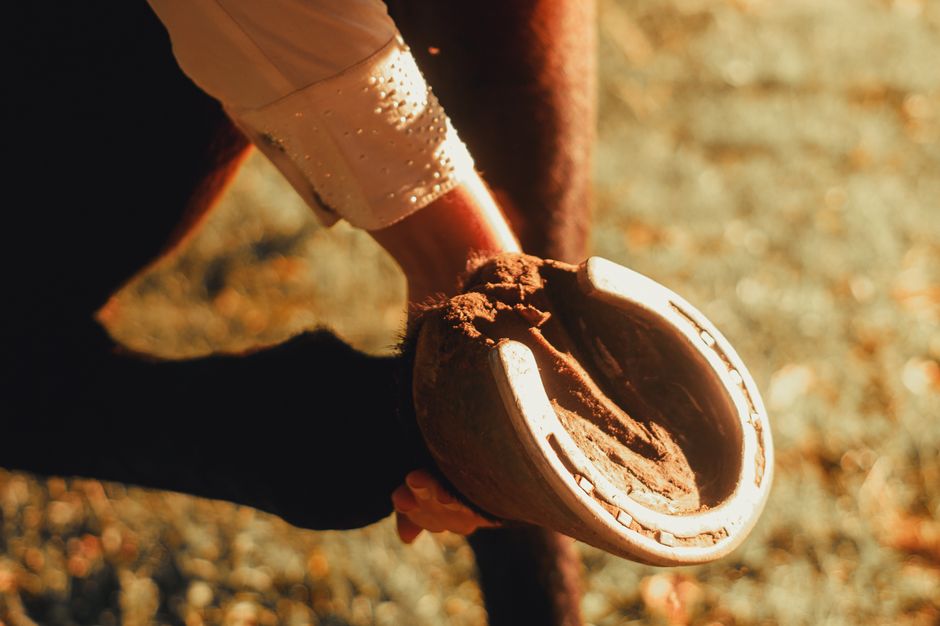
Daily hoof picking is one of the most effective steps you can take. Pay special attention to the central sulcus and grooves alongside the frog, removing all mud, manure, and debris. Regularly inspect for any changes in frog texture, odor, or sensitivity. If your horse is turned out in muddy pastures, consider bringing them in during particularly wet days or providing access to dry standing areas.
Stall management plays a key role as well. Keep bedding clean and dry, removing wet spots and soiled material promptly. Good ventilation and frequent cleaning help limit bacterial growth in the barn. For horses prone to hoof infections, stable them in well-drained areas and avoid overcrowding.
Hoof maintenance by a qualified farrier is essential. Schedule routine trims to maintain proper hoof balance and prevent deep crevices where bacteria can thrive. If your horse has contracted heels or chronically soft frogs, ask our veterinarians about corrective trimming or shoeing options. Proper nutrition can also enhance hoof quality; our team offers nutrition counseling tailored to your horse’s needs.
Applying topical hoof conditioners or antimicrobial treatments during the wet season may offer additional protection, but these should be used as part of a comprehensive prevention plan rather than a replacement for good management practices.
When to Call Your Equine Veterinarian for Hoof Problems
While mild cases of thrush can sometimes be managed with diligent cleaning and over-the-counter treatments, it’s important to know when professional veterinary intervention is needed.
Contact our equine veterinary team if your horse shows persistent or worsening symptoms, such as ongoing discharge, foul odor, frog tissue that is slow to heal, or increased lameness. Horses with swelling, heat, or reluctance to bear weight on the affected limb require immediate evaluation to rule out deeper infection or more serious hoof complications.
Horses with a history of recurrent thrush, hoof deformities, or poor-quality horn benefit from a comprehensive assessment. Our veterinarians may recommend advanced diagnostics or collaborate with your farrier to address underlying issues. In emergency situations, our practice provides emergency veterinary care for acute hoof infections or sudden lameness.
Never ignore hoof problems, especially during the humid summer months. Prompt attention is the key to keeping your horse sound, comfortable, and ready for work or play.
Supporting Soundness: How Southern Crescent Equine Services Protects Your Horse’s Hooves
At Southern Crescent Equine Services, we are dedicated to helping horse owners in Newnan and surrounding communities navigate the challenges of hoof health during Georgia’s wet summers. Our hospital combines advanced diagnostics with practical hoof care solutions, from routine maintenance to state-of-the-art therapies for complex hoof conditions. Our ambulatory trucks allow us to provide expert care both at our facility and on your farm, ensuring your horse receives prompt, knowledgeable attention when needed most.
If you’re searching for an "equine vet near me" who understands the unique demands of Georgia’s climate and specializes in equine hoof health, look no further than our team. Whether your horse needs preventive guidance, advanced treatment, or nutritional support, we are here to help.
For expert support in guarding your horse’s hoof health this August, contact Southern Crescent Equine Services at (770) 252-6860 or visit us at 815 Herring Road, Newnan, GA 30265. Our experienced equine veterinary team is ready to assist with all aspects of hoof care, nutrition, and year-round soundness. Explore our hoof care services or schedule a nutritional consultation to give your horse the best possible foundation for healthy, strong feet all summer long.
This blog is intended for informational purposes only and should not be used as a substitute for professional veterinary advice. Always consult with your equine veterinarian for diagnosis and treatment tailored to your horse’s individual needs.