Essential Hoof Care Tips for Georgia Horses in Summer
Essential Hoof Care Tips for Georgia Horses in Summer
Summer in Georgia brings lush pastures, long days for riding, and, unfortunately, some unique challenges for your horse’s hooves. The heat and humidity characteristic of July in Newnan and surrounding communities can create the perfect environment for hoof problems to develop. As a horse owner, understanding how the summer climate affects hoof health and how regular, on-farm veterinary visits support soundness is essential for keeping your horse comfortable and active all season long. At Southern Crescent Equine Services, our ambulatory veterinarians are dedicated to providing comprehensive hoof care right at your barn, so your horse receives expert attention without the stress of trailering or leaving home. In this article, we’ll explore the signs of summer hoof trouble, the reasons these issues arise in Georgia’s climate, the importance of professional care, and practical steps you can take to protect your horse’s feet this season.
To learn more about our full range of Hoof Care services for equine patients, continue reading for in-depth guidance and advice tailored for Georgia horse owners.
Recognizing Summer Hoof Problems in Georgia Horses
Georgia’s summer weather can have a significant impact on your horse’s feet. Knowing what to look for is the first step in preventing minor issues from becoming major setbacks. Horses may show early signs of hoof discomfort that include shortness of stride, reluctance to move out, or increased sensitivity on hard or uneven ground. You might notice characteristic symptoms such as a foul odor coming from the hoof, a dark or crumbly frog, or visible cracks and chips along the hoof wall. In some cases, horses may develop a hoof abscess, which often presents as sudden, severe lameness and heat in the affected foot. Thrush, a common bacterial infection of the frog, tends to thrive in wet, dirty conditions and can cause tenderness, black discharge, and a noticeable odor. Additionally, white line disease, characterized by separation along the hoof wall, may become more apparent during humid months. Regularly picking out your horse’s feet and observing for these changes is crucial in catching problems early.
Why Summer Climate Challenges Hoof Health in Newnan, GA
The hot, muggy conditions typical of Newnan and the surrounding Georgia areas create a unique set of challenges for equine hoof health. When high humidity combines with wet pastures or standing water, hooves often remain damp for prolonged periods. This constant moisture softens the hoof wall and frog, making them more vulnerable to bacterial and fungal infections such as thrush and white line disease. On the other hand, periods of heavy rain followed by stretches of intense sun can cause hooves to cycle quickly between wet and dry, leading to cracking, chipping, and flaring. Summer grass can also alter your horse’s metabolic state, influencing hoof growth and structure. Horses turned out in muddy paddocks or areas with poor drainage are at the greatest risk, as standing in wet conditions encourages breakdown of the hoof’s natural defenses. Even horses that spend part of the day in stalls may face issues if bedding is damp or not cleaned regularly. Understanding these environmental influences helps explain why proactive hoof care is so important during Georgia’s summer months.
Professional Hoof Care: What to Expect from Mobile Veterinary Visits
Enlisting the help of a professional is one of the best ways to support your horse’s hoof health, especially during challenging summer conditions. Our ambulatory team at Southern Crescent Equine Services brings state-of-the-art hoof care directly to your barn or pasture, minimizing stress for you and your horse. During a typical hoof care visit, our veterinarians thoroughly examine each hoof, checking for signs of infection, abnormal wear, or structural issues. We assess your horse’s conformation and movement to identify subtle lamenesses that may stem from hoof problems. When needed, we use advanced diagnostics such as digital radiographs to evaluate deeper structures and guide treatment decisions.
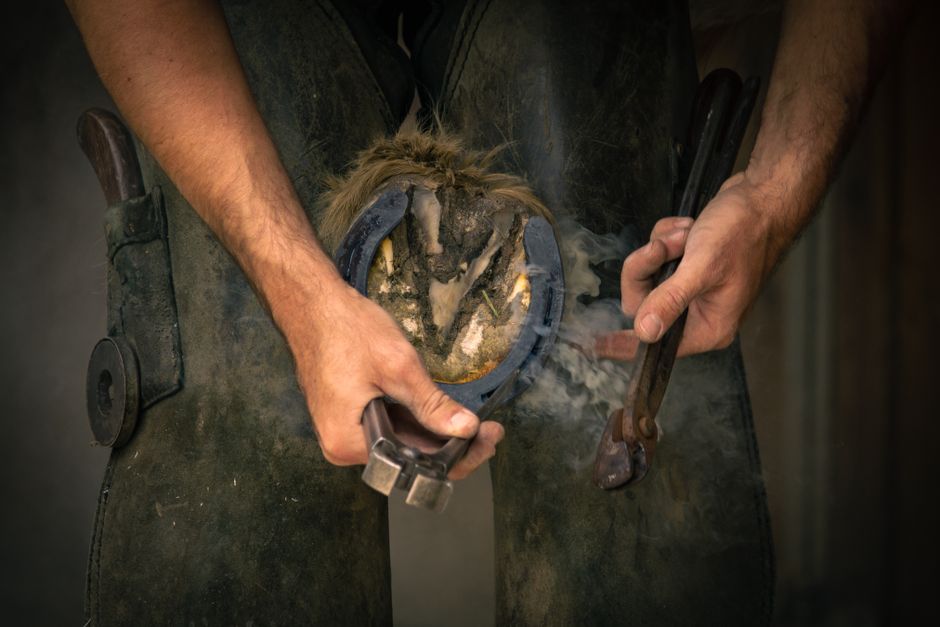
Hoof trimming and balancing are performed with attention to your horse’s discipline, workload, and turnout environment. If therapeutic shoeing or corrective trimming is required, our team collaborates with your farrier to ensure an integrated approach. In cases of infection, such as thrush or white line disease, we provide targeted treatments and recommend effective topical medications. For more severe issues like abscesses or laminitis, our veterinarians offer immediate care and ongoing support to manage pain and promote healing. To explore these options further, visit our page on Hoof Care services for equine patients.
Preventing Summer Hoof Issues: Daily and Seasonal Strategies
Protecting your horse’s feet is a daily commitment that pays off all summer long. Start by making hoof picking part of your routine every time you handle your horse. Removing packed-in mud, manure, and small stones helps prevent thrush and allows you to spot developing cracks or bruises before they progress. Keep turnout areas as dry as possible by rotating paddocks, fixing areas of poor drainage, and providing well-bedded shelters during periods of heavy rain. If your horse is stalled, ensure bedding remains clean and dry, as standing in soiled or damp bedding increases infection risk.
Regular farrier visits, typically every six to eight weeks, are vital for maintaining proper hoof balance and preventing flares or chips. Work closely with your farrier and your veterinary team to address any changes in hoof growth or structure that occur during the summer months. Nutrition also plays a key role in hoof strength; ensure your horse receives a balanced diet with adequate biotin, zinc, and amino acids, and consult with our veterinarians for individualized nutritional advice if needed.
During especially wet or humid stretches, consider using hoof hardeners or topical treatments recommended by your veterinarian to support hoof wall integrity. Always monitor for signs of discomfort, such as an unwillingness to walk on hard ground or increased shifting of weight, and address problems promptly to avoid long-term damage.
When to Call for Veterinary Hoof Care
Some hoof issues can progress rapidly if not addressed early. It’s important to contact your veterinary team promptly if your horse becomes suddenly lame, refuses to bear weight on a foot, or shows signs of heat, swelling, or discharge from the hoof. Abscesses, severe cracks, or suspected laminitis require immediate professional evaluation. If you notice persistent foul odor, black discharge, or deep crevices in the frog, your horse may have a bacterial or fungal infection that needs targeted treatment. Horses with chronic hoof problems, metabolic disorders, or previous laminitis episodes should be monitored closely during the summer and receive regular on-farm evaluations.
At Southern Crescent Equine Services, we understand the challenges that come with managing hoof health through Georgia’s hot and humid season. Our mobile approach means we come directly to your barn or pasture, providing expert care with minimal disruption to your horse’s routine. Our experienced equine veterinary team serves Newnan and surrounding communities, offering comprehensive hoof care tailored to your horse’s needs.
Equine-Focused Support for Healthy Hooves All Summer
Caring for your horse’s feet during Georgia’s summer months requires attention, knowledge, and a proactive approach. By recognizing early signs of hoof trouble, understanding the impact of our local climate, and partnering with a mobile veterinary team, you can give your horse the best chance for a comfortable and active season. Remember that daily hoof picking, maintaining dry living conditions, and scheduling regular professional care are the foundation of sound feet. If you have questions about your horse’s hoof health or would like to arrange an on-farm visit, reach out to our veterinarians at Southern Crescent Equine Services. You can also explore our specialized Hoof Care services for equine patients for more information.
When searching for an "equine vet near me" who understands the unique needs of Georgia horses, trust our mobile team to provide expert hoof care right at your location. Call (770) 252-6860 to schedule an appointment or to speak with our equine veterinary professionals about keeping your horse’s feet healthy all summer. Your horse’s comfort and soundness are our top priorities, and we’re here to support you every step of the way.