Essential Fall Hoof Care Tips for Georgia Horse Owners
Essential Fall Hoof Care Tips for Georgia Horse Owners
As the fall season settles into Newnan and the surrounding communities, Georgia horse owners face unique hoof care challenges that can affect their horses’ comfort and performance. Changes in weather, fluctuating pasture conditions, and shifting turnout routines all play critical roles in the health of your horse’s feet. At Southern Crescent Equine Services, our mobile equine veterinary team understands how vital hoof health is to your horse’s wellbeing, whether you have a performance athlete, broodmare, or cherished companion. With five full-time ambulatory veterinarians ready to come to your barn or pasture, we make it easier than ever to give your horse exceptional care exactly where they feel most comfortable. In this blog, we’ll discuss the key hoof care concerns every Georgia horse owner should watch for as autumn arrives, practical strategies to keep hooves strong, and how our team can support your horse’s soundness through personalized on-farm visits. You’ll also find tips on nutrition, footing, and when to seek professional evaluation, so your horse steps confidently into every ride this fall.
Recognizing Fall Hoof Health Issues in Your Horse
Autumn in Georgia often brings cooler weather, increased rainfall, and variable footing conditions in paddocks and pastures. These environmental changes can introduce several hoof health issues that horse owners should be prepared to spot early. Common problems in the fall include hoof abscesses, increased thrush due to dampness, sole bruising from hard or uneven ground, and flare-ups of chronic conditions like laminitis. You may notice your horse becoming short-strided, reluctant to move, or standing with a shifted weight. Other signs to watch for are heat in the hoof, a strong digital pulse, a sudden onset of lameness, or visible changes such as cracking, chipping, or an unpleasant odor, especially around the frog. If your horse seems less willing to work, is favoring a limb, or if you see dark, foul-smelling discharge in the foot, it’s time to take a closer look.
Seasonal transitions can also affect horses with a history of hoof sensitivity or metabolic issues, making them more susceptible to flare-ups. Pay attention to subtle changes in your horse’s behavior, stance, or gait, as these can be early indicators of discomfort that warrant further attention.
Why Fall Weather and Management Affect Hoof Health
Understanding how fall conditions impact your horse’s feet is the first step in effective hoof care. In Georgia, autumn often brings increased moisture from rain, morning dew, and muddy turnout areas. Prolonged exposure to damp conditions softens the hoof wall and sole, increasing vulnerability to bacterial and fungal infections like thrush and white line disease. Conversely, periods of dry, hard ground can lead to cracks, chips, and sole bruising, especially if horses move between wet and dry environments regularly.
Nutritional changes are another factor in the fall. Pasture growth may slow, shifting your horse’s diet from fresh grass to hay or concentrates. This transition can impact hoof quality if the new ration lacks adequate biotin, zinc, copper, or other nutrients essential for strong hoof horn. Additionally, horses with metabolic concerns such as insulin dysregulation or a history of laminitis may be at greater risk during fall flushes in late-season grass or abrupt dietary changes.
Footing in paddocks and arenas can also change rapidly during autumn. Areas that were dry in summer may become slick or churned up, increasing the risk of slipping, sole bruising, or stone punctures. Paying close attention to your turnout environment and adjusting routines as needed is a key part of fall hoof care.
Professional Hoof Care and Veterinary Support
A proactive approach is the best way to keep your horse’s feet healthy through the fall. Scheduling regular on-farm visits with our equine veterinary team is essential for identifying and addressing problems before they become serious. During a fall soundness exam or hoof evaluation, our veterinarians will assess hoof conformation, look for early signs of infection or imbalance, and recommend trimming or shoeing adjustments suited to your horse’s work level and turnout conditions.
If your horse is showing signs of lameness, persistent tenderness, or there are sudden changes in hoof quality, our veterinarians can provide a thorough lameness evaluation. These assessments may include flexion tests, diagnostic nerve blocks, or advanced imaging like digital radiographs, all performed on-site at your barn. Our team collaborates with your farrier to tailor hoof care plans, whether your horse is barefoot, shod, or requires therapeutic shoeing due to chronic conditions.
In addition to routine maintenance, we offer specialized hoof care services, including hoof care focused on maintaining healthy feet for happy and successful horses. This encompasses everything from corrective trimming to managing hoof infections and advising on turnout strategies that reduce risk. For horses with a history of conditions like laminitis, our veterinarians can guide you through ongoing management and treatment; you can also learn more about this serious hoof condition by visiting our educational resource explaining laminitis.
Practical Home and Barn Hoof Care Strategies for Fall
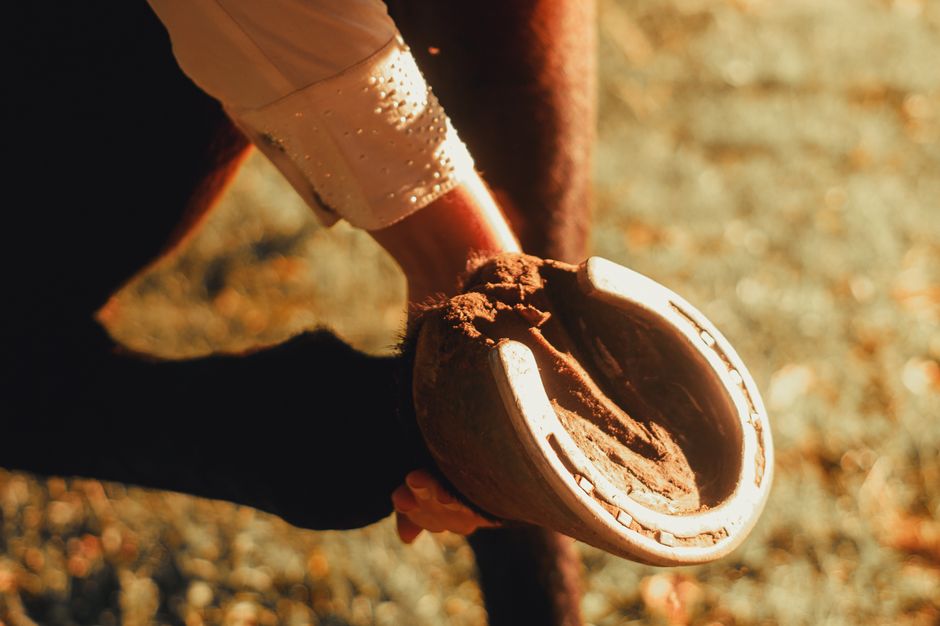
While veterinary and farrier care are fundamental, daily management by horse owners plays a major role in hoof health through the autumn months. Begin by picking out your horse’s feet at least once daily, removing mud, stones, and debris. This simple routine helps prevent thrush, allows you to spot issues early, and keeps the frog and sole clean. In periods of frequent rain or mud, consider using dry, clean bedding in stalls or run-in sheds to give hooves a chance to dry out overnight.
Managing turnout is another key element. Rotate grazing areas to avoid excessive mud buildup, and provide solid footing in high-traffic spots like gates or water troughs. Rubber mats, gravel, or wood chips can help minimize standing in wet, muddy conditions. For horses prone to sole bruising, consult your farrier or our veterinary team about protective shoeing options or the use of hoof boots during turnout.
Nutrition should not be overlooked, especially as pasture quality shifts in autumn. Evaluate your horse’s diet to ensure it provides sufficient amino acids, minerals, and vitamins for hoof growth and resilience. If you’re unsure about your current ration, our veterinarians offer equine nutritional counseling to help you optimize your horse’s diet for strong, healthy hooves.
Monitoring your horse’s body condition is also important, as excess weight can increase the risk of laminitis and put additional strain on hoof structures. Regular exercise, even as temperatures drop, supports healthy circulation and hoof growth.
When to Call Your Equine Veterinarian
Some hoof issues can be managed with attentive care at home, but certain situations require prompt veterinary evaluation. Contact our mobile team if you notice sudden or severe lameness, heat or swelling in the hoof or limb, a persistent foul odor from the frog, or visible puncture wounds or abscesses. Horses with a history of laminitis, metabolic disease, or chronic hoof problems should be monitored closely for any signs of recurrence, especially during seasonal transitions.
If your farrier detects abnormal hoof growth, white line separation, or chronic thrush that does not resolve with routine cleaning, veterinary intervention is advised. Delaying care can lead to complications that are more difficult and costly to treat. Our ambulatory veterinarians are equipped to provide advanced diagnostics and treatment right at your barn, ensuring your horse receives timely, effective care with minimal stress.
For more information about identifying problems that may affect your horse’s movement and hoof health, visit our lameness evaluation services page. If you have questions about specific hoof conditions, our team is always happy to discuss your concerns and recommend the best course of action.
Why Mobile Equine Veterinary Care Makes a Difference in Fall
One of the distinct advantages of working with Southern Crescent Equine Services is the convenience and reduced stress of on-farm care. Our mobile ambulatory service means we come to your barn or pasture, eliminating the need to load and trailer your horse for routine hoof care, lameness evaluations, or urgent concerns. This model not only saves time but also allows our veterinarians to assess your horse in their natural environment, where footing, turnout, and management factors can be evaluated firsthand.
Serving Newnan and surrounding communities, our team is committed to providing comprehensive, compassionate equine veterinary care that fits your schedule and your horse’s needs. Whether you’re preparing for fall riding, managing a chronic hoof condition, or simply want to ensure your horse stays comfortable as the weather changes, our mobile approach puts your horse’s wellbeing first.
Fall Hoof Health: Your Next Steps with Southern Crescent Equine Services
As fall unfolds in Georgia, consistent hoof care is the key to keeping your horse sound, happy, and ready for every adventure. By staying alert to seasonal changes, practicing diligent barn management, and partnering with experienced equine veterinarians, you can help your horse thrive all year long. Our mobile veterinary team at Southern Crescent Equine Services is here to support you with on-farm visits, advanced diagnostics, and practical advice tailored to your individual horse and property.
If you’re searching for an “equine vet near me” or need expert guidance on fall hoof care in Newnan and the surrounding communities, reach out to us today. Schedule a barn visit with our ambulatory veterinarians by calling (770) 252-6860, and let us help you put your horse’s best foot forward this season. For more information about our specialized hoof care services, explore our hoof care offerings or contact our team with your questions. With the right support and attention, your horse’s feet can stay healthy and strong—no matter what autumn brings.