Early Fall Hoof Care: Preventing Lameness in Georgia Horses
Early Fall Hoof Care: Preventing Lameness in Georgia Horses
As summer transitions into early fall in Newnan, GA, horse owners are wise to turn their attention to hoof health. Georgia’s unique climate brings cooler nights, increased moisture, and unpredictable rainfall each September, creating conditions that can challenge even the healthiest hooves. Early fall is a critical time to focus on preventive hoof care and lameness prevention, helping your horse stay sound and comfortable as the seasons shift. At Southern Crescent Equine Services, our team of veterinarians specializes in advanced hoof care, lameness evaluations, and nutritional guidance designed specifically for horses in our region. In this blog, we will explore why early autumn poses unique risks for your horse’s feet, outline the warning signs of lameness, explain the common causes behind seasonal hoof issues, and share practical tips for keeping your horse’s hooves healthy. You will also discover when it is time to seek professional support from an equine vet near you, and how our hospital at 815 Herring Road, Newnan, GA 30265 can be your partner in year-round soundness.
Recognizing Early Signs of Hoof Trouble in Fall
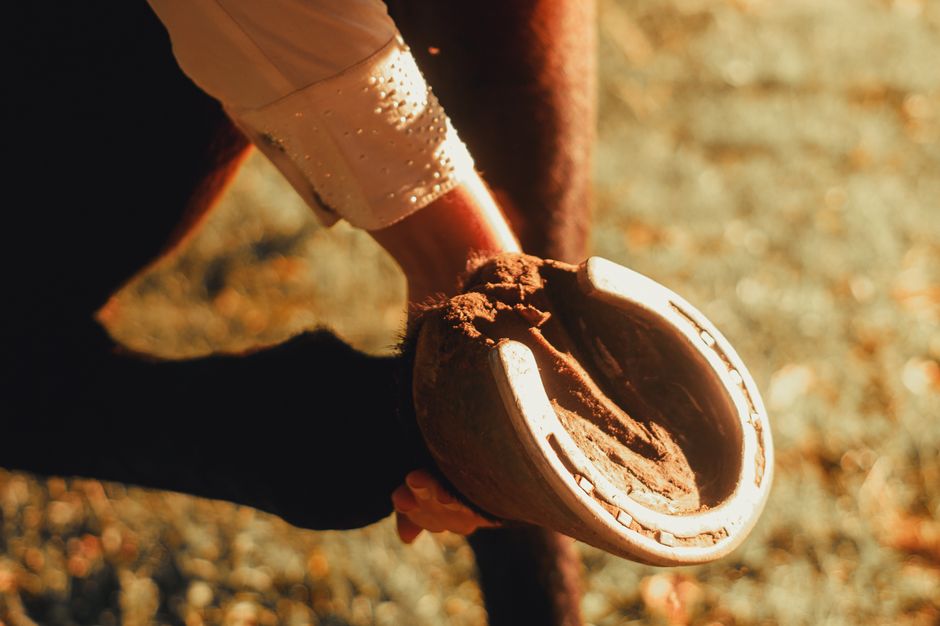
Knowing what to watch for in your horse’s gait and behavior is the first step in preventing long-term lameness. Early fall in Georgia often brings periods of wet weather, followed by dry spells, which can quickly change the condition of pastures and paddocks. These fluctuations may lead to hoof softening, cracks, or even abscesses. Signs that your horse may be developing hoof problems include a reluctance to move, shortened stride, or favoring one foot over another. You might notice heat or swelling around the hoof, a visible crack, an unpleasant odor, or changes in the hoof wall texture. Sometimes, your horse may stand in unusual positions to shift weight off a sore hoof, or you may hear a staccato rhythm when trotting in the arena. Horses prone to laminitis may show increased digital pulse or a “rocked back” stance. Early detection is crucial; even subtle changes in movement, behavior, or hoof appearance should prompt a closer look.
Why Autumn in Georgia Can Challenge Hoof Health
Georgia’s early fall climate is characterized by heavy dew, sporadic rain, and mild daytime temperatures. These conditions can keep pastures damp for longer periods, allowing bacteria and fungi to thrive in the soil. Prolonged moisture softens the hoof horn, making it more susceptible to bruising, white line disease, or thrush. As the weather dries, hooves may contract and develop cracks, trapping dirt and pathogens inside. Horses that graze on lush fall grass may also be at higher risk for laminitis, especially those with metabolic sensitivities. The cycle of wet-to-dry footing, common in Newnan and surrounding communities, can lead to hoof wall separation or abscess formation. Additionally, horses in more intensive work, such as those preparing for fall shows or trail rides, may be at increased risk of stone bruises or sole tenderness. Understanding these seasonal risks helps horse owners take proactive steps to prevent lameness before it starts.
Advanced Hoof Care and Lameness Evaluation: How We Can Help
When hoof problems arise, a comprehensive approach is essential for restoring and maintaining soundness. At Southern Crescent Equine Services, our veterinarians offer advanced hoof care services tailored to the unique challenges of Georgia’s climate. Our hospital is equipped with digital radiograph technology, enabling us to detect subtle changes within the hoof capsule and identify the underlying cause of lameness. If your horse develops an unexplained limp or persistent soreness, our team can perform a thorough lameness evaluation, using diagnostic nerve blocks, ultrasound, and imaging to pinpoint the problem area.
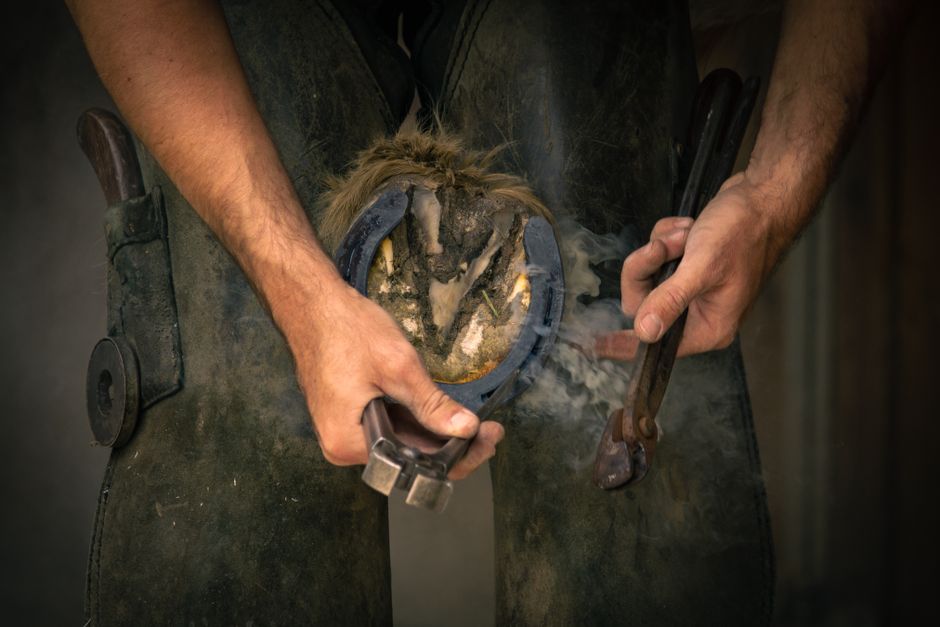
Treatment approaches depend on the specific diagnosis. For example, managing thrush may involve careful debridement and targeted topical treatments. Hoof abscesses are treated by opening and draining the affected area, followed by appropriate bandaging and pain management. Cracks or wall separations may be stabilized with specialized shoeing or hoof repair materials. Horses suffering from laminitis require immediate stabilization, dietary adjustments, and sometimes advanced therapies such as digital radiographs for monitoring progression. By leveraging our expertise and state-of-the-art tools, we help horse owners address both acute and chronic hoof problems with precision and compassion.
Practical Steps for Preventing Lameness This Fall
Prevention is the key to keeping your horse sound through the changing seasons. Consistent hoof picking, ideally once or twice daily during wet weather, removes debris and allows you to spot issues before they escalate. Regular farrier visits every six to eight weeks are important, as overgrown or imbalanced hooves are more likely to crack or become infected. If your horse is turned out in muddy paddocks, providing a dry, well-bedded area gives hooves a chance to dry and harden. Inspect hooves for signs of thrush, including a foul odor or black, crumbly tissue around the frog, and address this promptly with cleaning and appropriate topical products.
Nutrition also plays a major role in hoof quality. Ensuring your horse receives balanced minerals, amino acids, and biotin supports strong hoof growth. Horses with metabolic conditions, such as insulin resistance, benefit from controlled access to lush grass and a nutrition plan tailored to minimize laminitis risk. For guidance on customized feeding strategies, our veterinary team offers equine nutritional counseling to help you select the best supplements and feeds for your horse’s needs. Additionally, maintaining clean, safe turnout areas and monitoring for foreign objects like stones or sharp debris can further reduce the risk of bruises and punctures.
When Should You Call Your Equine Veterinarian?
While many minor hoof issues can be managed with diligent home care and farrier support, certain situations require immediate veterinary attention. If your horse is acutely lame, unable to bear weight, or has a hoof that is hot, swollen, or draining, contact our hospital at once. Horses with signs of laminitis, such as shifting weight to the hindquarters, reluctance to walk, or a bounding digital pulse, should be evaluated as an emergency. Persistent cracks, repeated abscesses, or unexplained changes in gait also warrant a professional assessment. Our veterinarians are available to perform in-depth lameness evaluations, advanced imaging, and therapeutic interventions to get your horse back on track. If you are unsure whether your horse’s symptoms require a visit, do not hesitate to reach out for guidance; early intervention often means better outcomes.
For horse owners seeking a comprehensive overview of one of the most serious hoof conditions, our online resource on laminitis in horses provides additional insight into this complex disease.
Trust Southern Crescent Equine Services for Fall Hoof Health
Proactive hoof care throughout early fall is one of the best investments you can make in your horse’s long-term soundness and well-being. By staying alert to warning signs, understanding the seasonal risks in Newnan, and partnering with a team of specialized equine veterinarians, you can help your horse thrive through changing weather and pasture conditions. Whether you need advanced hoof care services, a thorough lameness evaluation, or expert nutritional advice, Southern Crescent Equine Services is here to support you every step of the way. When searching for an equine vet near me, choose a practice that combines state-of-the-art diagnostics with a genuine commitment to horse health.
To schedule an appointment or discuss your horse’s hoof concerns, call our veterinary team at (770) 252-6860 or visit us at 815 Herring Road, Newnan, GA 30265. We are proud to serve Newnan and surrounding communities, providing specialized care for horses year-round. Your horse’s comfort, soundness, and health are always our top priorities—let us help you keep those hooves strong this season and beyond.
This blog is intended for educational purposes only and should not be used as a substitute for professional veterinary advice. If your horse is experiencing lameness or other hoof-related concerns, consult your veterinarian for a thorough evaluation and personalized treatment plan.