Winter Hoof Care Tips for Horses in Georgia

Winter Hoof Care Tips for Horses in Georgia
Winter in Georgia brings unique challenges for horse owners, especially when it comes to maintaining hoof health. Even in the milder climate of Newnan and surrounding communities, chilly temperatures, wet conditions, and fluctuating moisture levels can all take a toll on your horse's feet. At Southern Crescent Equine Services, our mobile veterinary team is dedicated to helping you keep your horse comfortable and sound all season long, right in the comfort of your own barn. This blog will guide you through the key winter hoof issues faced in Georgia, what signs to watch for, how to prevent common problems, and how our mobile services can make hoof care more convenient and less stressful for both you and your horse.
Our veterinarians understand that every barn and pasture is different, and we tailor our advice to suit the realities of winter care in our local region. Along the way, we will discuss actionable ways to support your horse’s hoof health, provide insight into when it’s time to call for professional help, and explain how a mobile approach can reduce stress and enhance preventive care. For owners interested in more detailed information about our hoof health services, our hoof care page offers an in-depth look at the support we provide.
Recognizing Winter Hoof Problems in Your Horse
As the temperature drops and rain increases, certain hoof issues become more prevalent in Georgia. Being able to spot early warning signs is essential for preventing more serious complications. Common symptoms of winter hoof problems include increased sensitivity or heat in the hooves, a foul odor that may indicate infection, visible cracks or chips in the hoof wall, and reluctance to walk or bear weight comfortably. Other signs to watch for are swelling in the lower limb, discharge around the coronary band, or a noticeable change in your horse’s gait.
For example, a horse that begins to shift weight from one foot to another, or stands unusually still, may be experiencing discomfort due to soft soles or developing thrush. Owners might also notice that after a wet spell, their horse’s hooves appear soft, spongy, or are breaking away more easily than normal. Recognizing these changes early gives you a crucial head start in preventing more serious issues.
Why Do Hoof Issues Worsen in Georgia Winters?
Understanding the root causes of hoof problems in winter helps you take proactive steps. Georgia’s winters are characterized by periods of wet weather interspersed with dry spells, creating conditions that can weaken hoof integrity. Frequent exposure to mud and standing water softens the hoof, making it more susceptible to infections such as thrush or abscesses. Rapid changes between wet and dry conditions can cause hooves to expand and contract, leading to cracks, flares, or separation of the white line.
Additionally, horses may spend more time in stalls during colder months, increasing their exposure to urine and manure, which can break down the hoof’s protective barriers and foster bacterial growth. Reduced movement due to shorter days can also impact circulation to the hooves, slowing growth and repair. For horses with a history of hoof issues or those with metabolic conditions, winter can be an especially vulnerable time. Our veterinary professionals regularly see how these factors combine in local barns, making tailored advice and consistent care essential for maintaining healthy feet.
Professional Hoof Care and Mobile Veterinary Support
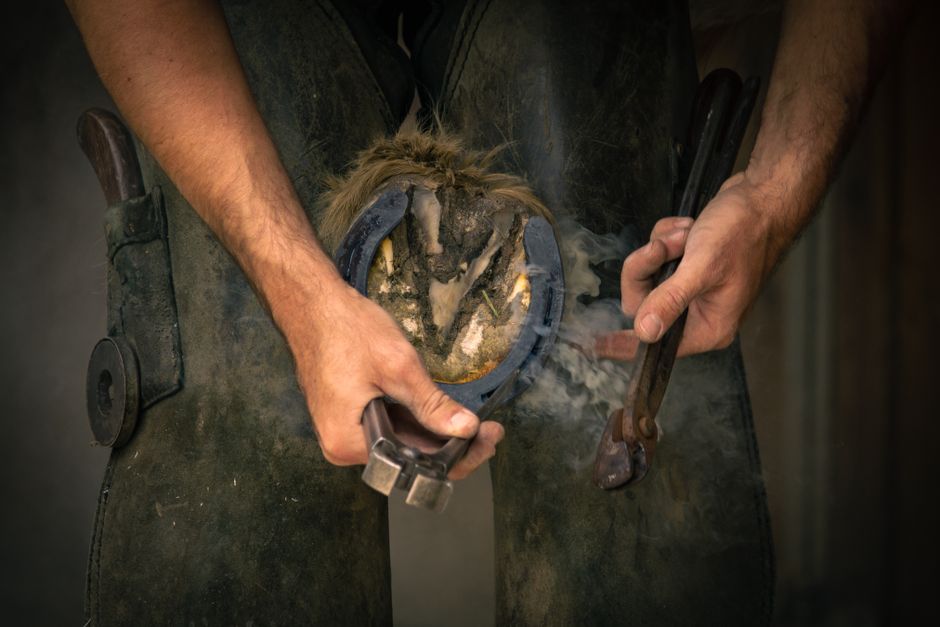
When hoof problems arise, timely intervention is key to preventing complications. As a mobile veterinary practice, Southern Crescent Equine Services brings advanced hoof care directly to your barn in Newnan and the surrounding communities. Our veterinarians are equipped to perform thorough hoof evaluations, provide recommendations for trimming and shoeing schedules, and offer immediate treatment for infections or injuries.
Treatment approaches involve addressing infections with appropriate medications, cleaning and debriding affected areas, and applying hoof dressings or protective pads as needed. In cases of lameness or suspected abscess, we can utilize diagnostic tools such as digital radiographs or ultrasounds to pinpoint the issue without requiring stressful trailer rides. For horses needing specialized therapies, options such as IRAP, PRP, or shock wave therapy may be considered based on the diagnosis. Our mobile service model means your horse receives focused, one-on-one attention in a familiar environment, reducing anxiety and promoting better outcomes.
For those interested in learning more about our approach to healthy feet, we invite you to visit our hoof care services page for a comprehensive overview of how we support horses year-round.
Preventive Steps and At-Home Hoof Care
While professional care is essential, there is much you can do at home to protect your horse’s hooves during winter. Regular cleaning is the foundation of good hoof health; picking out hooves daily removes mud, manure, and debris that can trap moisture and foster bacteria. It’s also important to keep turnout areas as dry as possible by rotating pastures, using gravel in high-traffic spots, and providing well-bedded stalls to prevent prolonged contact with wet ground.
Feeding a balanced diet with adequate biotin, amino acids, and essential minerals supports strong hoof growth. Consulting with our mobile veterinary team about customized nutrition plans can further enhance your horse’s hoof resilience, especially if your horse has special dietary needs. Maintaining a regular trimming schedule with your farrier, even during winter, prevents overgrowth and imbalances that can lead to splitting or flaring.
Monitoring your horse’s hooves for changes in texture, temperature, or odor will help catch problems before they escalate. If you notice anything unusual, such as sudden lameness or a persistent foul smell, prompt action is the best safeguard against serious hoof disease.
When to Call for Mobile Veterinary Care
Knowing when to seek professional help can make all the difference in preserving your horse’s comfort and performance. Call for veterinary attention if you notice signs such as persistent lameness, swelling in the limb or hoof, a strong or unusual odor, discharge or bleeding, or if your horse is unwilling to bear weight on a foot. Abscesses, deep cracks, and severe thrush often require immediate treatment to prevent further complications. If you observe your horse’s condition worsening despite regular home care, it’s always safest to consult a veterinarian.
The benefit of mobile veterinary care is that our team can come directly to your barn, minimizing stress for both you and your horse. This approach is particularly helpful during winter months, when transporting horses can be difficult or hazardous. We serve Newnan and surrounding areas, ensuring that expert advice and treatment are never far away.
For more information on the range of hoof health services we offer, you can explore our hoof care service page.
Winter Hoof Health: Your Partner in Equine Wellness
Caring for your horse’s hooves during a Georgia winter doesn’t have to be overwhelming. With the right knowledge, consistent home care, and the support of experienced mobile veterinarians, you can help your horse stay comfortable and sound no matter what the weather brings. At Southern Crescent Equine Services, we take pride in delivering personalized, stress-free care right at your barn. Our commitment extends to every horse and owner in Newnan, GA and the surrounding communities.
If you have concerns about your horse’s feet, need guidance on winter hoof care, or would like to schedule a visit, don’t hesitate to reach out. When searching for a mobile vet near me, remember that our veterinary professionals are just a call away, ready to provide expert hoof care in the comfort of your own barn. Contact us at (770) 252-6860 to discuss your horse’s needs or to arrange a mobile appointment. Together, we’ll help your horse step confidently into spring.
This article is intended for educational purposes only and does not replace professional veterinary advice. For specific concerns about your horse’s health, please contact your veterinarian directly or reach out to our mobile veterinary team for assistance.