What Is Laminitis? Signs, Causes, and Mobile Care for Horses

What Is Laminitis? Signs, Causes, and Mobile Care for Horses
Laminitis is a word no horse owner wants to hear, yet it’s a condition that every equestrian should understand. With the chill of winter in Newnan, GA and fluctuating weather patterns, hoof health becomes a top concern for horse owners in our area and the surrounding communities. If you’ve ever wondered, “What is laminitis?” or if you’re worried about the warning signs, you’re not alone. At Southern Crescent Equine Services, we bring advanced equine veterinary care right to your barn, providing the convenience of in-home evaluation and treatment that minimizes stress for both you and your horse. This blog will explain what laminitis is, outline the signs to watch for, discuss common causes, and shed light on how our mobile team can support your horse’s recovery and ongoing hoof health. For those seeking more in-depth reading, you can also explore our What is Laminitis? informational resource.
Recognizing the Signs of Laminitis in Horses
Understanding what laminitis looks like is essential for early intervention. The condition involves inflammation of the sensitive laminae—the tissues that secure the hoof wall to the underlying bone. When these tissues become inflamed or damaged, it can cause significant pain and potentially irreversible changes in your horse’s hooves. Key symptoms include a noticeable reluctance to move, a stiff or shortened stride, and shifting weight from foot to foot as your horse seeks relief. Some horses may show a characteristic “sawhorse stance,” where they lean back to take pressure off their front feet. Heat in the hooves, increased digital pulse, and visible lameness—especially when turning—are additional warning signs. In more subtle cases, you might notice your horse is lying down more often or seems less interested in normal activities. Catching these signs quickly is vital, as laminitis can progress rapidly and requires professional attention.
What Is Laminitis? Understanding the Causes and Risk Factors
When horse owners ask, “What is laminitis?” the answer is both straightforward and complex. Laminitis is a result of disruption to the blood flow within the hoof, leading to inflammation and weakening of the laminae. This can be triggered by various factors, some of which are more common during certain seasons or management changes.
Diet is one of the leading contributors. Horses that ingest large quantities of lush pasture grasses—especially in spring and fall—or those that receive excess grain are at higher risk. Metabolic issues such as Equine Metabolic Syndrome and Cushing’s Disease also predispose horses to laminitis by altering their body’s response to sugars and insulin. Additionally, mechanical overload, such as bearing extra weight on one limb due to injury in another, can lead to laminitis. Infections, severe colic, or the retention of placenta after foaling are other medical situations that may precipitate this condition. Understanding your horse’s unique risk profile, seasonal changes, and dietary management can play a significant role in reducing the likelihood of laminitis.
Mobile Laminitis Care: How Our Veterinary Team Can Help
When laminitis is suspected, immediate action is crucial. The advantage of working with a mobile veterinary service like Southern Crescent Equine Services is that we can provide comprehensive care right at your location, reducing the stress and risk of trailering a painful horse. Our veterinarians are equipped to perform thorough hoof evaluations, digital radiography, and diagnostic tests on-site, which aids in determining the severity and underlying cause of the laminitis episode.
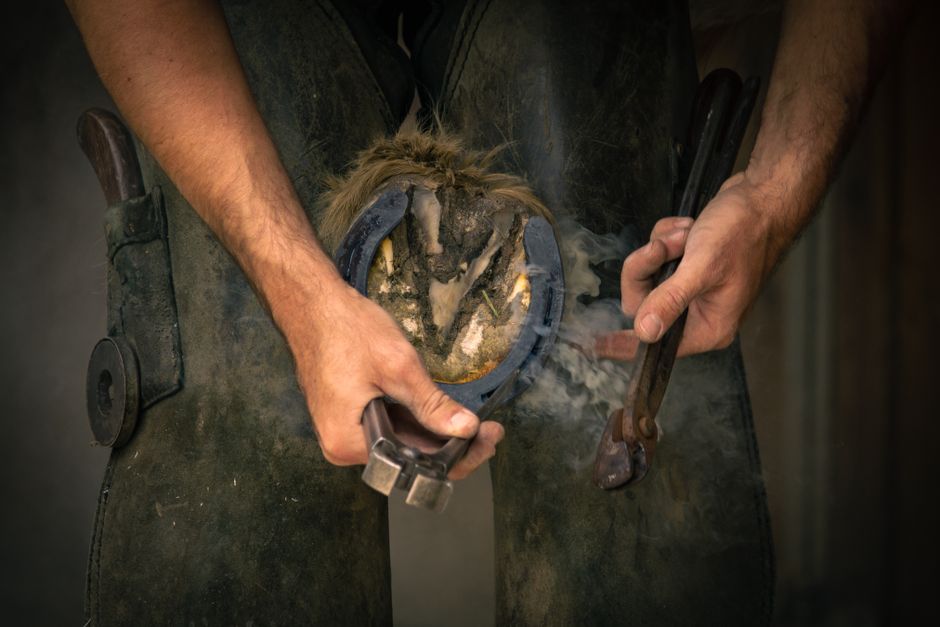
Treatment approaches involve prompt pain management, anti-inflammatory medications, and supporting hoof structures through specialized trimming and therapeutic shoeing. We collaborate with skilled farriers to implement corrective techniques that can relieve pressure on the affected laminae. In some cases, advanced therapies such as Hoof Care, IRAP, PRP, or stem cell injections may be considered to support tissue repair and healing. Nutritional counseling is another important aspect; we assess your horse’s current diet and recommend modifications to prevent future flare-ups.
Our mobile model allows us to monitor your horse’s progress over time and adjust the care plan as needed, all while your horse remains in the comfort of their familiar environment. This one-on-one attention not only promotes better outcomes but also gives you peace of mind throughout your horse’s recovery journey.
Preventing Laminitis: Practical Steps You Can Take at Home
While not all cases of laminitis can be prevented, proactive management can greatly reduce your horse’s risk. Steps include maintaining a consistent and balanced diet that is appropriate for your horse’s age, weight, and activity level. Limiting access to rich, sugary grasses—especially during periods of rapid pasture growth—is essential for horses with a history of laminitis or metabolic concerns. Regular exercise can help regulate weight and improve insulin sensitivity.
Routine hoof care is another critical factor. Scheduling consistent farrier visits and working with our veterinary team for preventive Hoof Care evaluations helps identify subtle issues before they become major problems. Monitoring for early warning signs, such as changes in gait or increased hoof temperature, allows for quick intervention. If your horse is diagnosed with a metabolic disorder, diligent management and ongoing communication with your veterinarian are key.
Providing a clean, dry living environment and managing bedding to minimize standing on hard or wet surfaces further supports hoof health. When in doubt, reach out to your mobile veterinary professionals for guidance tailored to your horse’s unique needs.
When to Call for Professional Mobile Veterinary Care
Prompt veterinary care is the most important factor in achieving a positive outcome for horses experiencing laminitis. You should contact our team immediately if you notice any of the following: sudden onset of lameness, reluctance to bear weight, visible changes in stance, persistent heat in the hooves, or an increased digital pulse. Even mild or intermittent signs warrant a professional evaluation, as early detection can make all the difference in recovery and quality of life.
Our mobile services mean you do not need to transport your horse during a painful episode; instead, our veterinary professionals will come directly to your barn or property in Newnan, GA and the surrounding communities. We offer timely assessments, advanced diagnostics, and tailored treatment—all in the comfort and safety of your horse’s home environment. For more information about lameness concerns or to explore further resources, you can review our Lameness & Evaluations services for horses.
If you ever find yourself searching for a “mobile vet near me” due to sudden changes in your horse’s mobility or comfort, know that Southern Crescent Equine Services is prepared to help.
Supporting Your Horse’s Hoof Health with On-Site Care
Laminitis is a serious condition, but with prompt recognition and expert mobile care, many horses can regain comfort and return to their routines. By knowing what laminitis is, staying vigilant for early signs, and partnering with a dedicated veterinary team, you can help safeguard your horse’s wellbeing year-round.
If you have concerns about your horse’s hooves or want to learn more about what is laminitis and how our mobile services can help, reach out to our compassionate veterinary professionals at (770) 252-6860. We are committed to providing personalized, in-home care for horses in Newnan, GA and the surrounding areas. Visit our Hoof Care and What is Laminitis? pages for additional guidance, or request a mobile evaluation today.
Your horse’s comfort and health are our top priorities, and we are here to deliver the expertise and support you need—right at your barn.