What Is Laminitis in Horses? Causes, Signs, and Prevention
What Is Laminitis in Horses? Causes, Signs, and Prevention
Laminitis is one of the most serious hoof conditions affecting horses in Georgia and across the country. If you have ever wondered, “What is laminitis, and how can I protect my horse from it?”, you are not alone. Laminitis can develop quickly and lead to long-term lameness or even life-threatening complications if not addressed promptly. At Southern Crescent Equine Services, our team of dedicated equine veterinarians brings ambulatory care directly to your barn or pasture in Newnan, GA, serving local horse owners and surrounding communities with comprehensive hoof care and nutritional guidance. In this article, we explain what laminitis is, what causes it, how to recognize the early warning signs, and what steps you can take to help keep your horse sound and comfortable throughout Georgia’s humid summer months. We also discuss how regular on-farm visits and proactive management from our ambulatory equine veterinary team can make a real difference in your horse’s hoof health. If you want to dive deeper into the science behind this condition, you can also review our educational information on laminitis in horses.
Recognizing Laminitis: Early Signs Every Horse Owner Should Know
Early recognition is critical when it comes to laminitis. This painful inflammatory condition affects the sensitive structures inside the horse’s hoof, often leading to lameness and, in severe cases, permanent damage. The sooner you spot the signs and respond, the better the chances of a positive outcome for your horse.
Warning signs of laminitis include an unwillingness to move, a stiff or stilted gait, and a tendency for your horse to shift weight from one foot to another, especially the front feet. You may notice your horse standing in a “sawhorse stance,” with front legs stretched out and hind legs positioned further under the body, in an attempt to relieve pressure on the painful hooves. Additional symptoms can be heat in the hoof wall, a strong digital pulse near the fetlock, and obvious discomfort when turning or walking on hard ground. In some cases, horses may lie down more than usual to avoid standing on sore feet. It is important to pay attention to subtle changes, such as reluctance to walk out of the stall or hesitancy to trot in the arena, especially after recent changes in feed or turnout.
For horses with a history of metabolic issues or those experiencing the lush spring and summer pastures common in Georgia, the risk of laminitis can be even higher. If you notice any of these symptoms, it’s crucial to reach out for a professional evaluation right away. Our lameness & evaluations for horses are designed to pinpoint the cause of your horse’s discomfort and guide you toward the right course of action.
What Is Laminitis? Understanding the Causes
At its core, laminitis is inflammation and damage to the sensitive laminae—the tissues that connect the hoof wall to the coffin bone inside the hoof. When these tissues become inflamed, the bond between the hoof wall and the bone weakens, sometimes resulting in the coffin bone rotating or sinking, which can cause irreversible changes and extreme pain.
There are several pathways that can lead to laminitis in horses. Nutritional factors are among the most common, especially in our warm, humid Georgia climate where pastures can become rich in sugars during late spring and early summer. Sudden access to lush grass, overeating grain, or abrupt changes in diet can all trigger laminitis, particularly in horses prone to metabolic conditions like equine metabolic syndrome or Cushing’s disease. Other contributing factors include systemic illnesses, such as severe infections or colic, which can cause toxins to circulate and damage the laminae. Mechanical overload, where one limb is forced to bear excessive weight due to an injury in the opposite limb, can also result in laminitis.
Environmental influences matter as well. The combination of high humidity and rapidly growing pastures in the Newnan area can increase the risk, especially in horses that are not acclimated to sudden changes in forage quality. Even hard, dry ground during a summer drought can contribute to hoof stress, compounding the problem for horses with less-than-ideal hoof conformation.
Treatment and Management of Laminitis in Horses
Once laminitis is suspected or diagnosed, immediate veterinary intervention is essential. The first priority is to stop the progression of the disease and relieve your horse’s pain. Our ambulatory equine veterinary team will come directly to your barn or pasture to assess your horse and build a tailored treatment plan. This may include anti-inflammatory medications, specialized hoof support (such as therapeutic shoeing or padding), and strict stall rest to minimize further damage.
Management strategies are guided by the underlying cause. If laminitis is triggered by a dietary imbalance, our veterinarians work with you to develop an appropriate feeding plan, often in collaboration with our equine nutrition counseling services. Horses suffering from metabolic conditions may need ongoing medical therapy, as well as careful monitoring of body condition and exercise.
In cases where pain is severe or the horse’s comfort is compromised, more advanced techniques like digital radiographs are used to assess the degree of rotation within the hoof. This information guides decisions about therapeutic trimming and shoeing, which are critical for long-term recovery. Our hoof care services for horses are designed to address both emergency and ongoing needs, ensuring your horse receives expert attention at every stage.
A crucial part of the treatment process is ongoing communication between the horse owner, veterinarian, and farrier. Regular follow-up visits allow us to track your horse’s progress, adjust the management plan, and help prevent future flare-ups.
Preventing Laminitis: Proactive Hoof Care and Nutrition
Prevention is always preferable to treatment when it comes to laminitis. As a horse owner in Georgia, you can take several practical steps to reduce your horse’s risk, especially during the peak danger periods in late spring and early summer.
A key preventive measure is careful pasture management. Gradually introducing horses to lush grass, using grazing muzzles, or providing dry-lot turnout during periods of rapid pasture growth can help limit sugar intake. Monitoring your horse’s body condition and adjusting grain and concentrate feeds as needed is also essential. If your horse is overweight, prone to “cresty” neck fat, or has a history of founder, it is especially important to keep a close eye on diet and exercise.
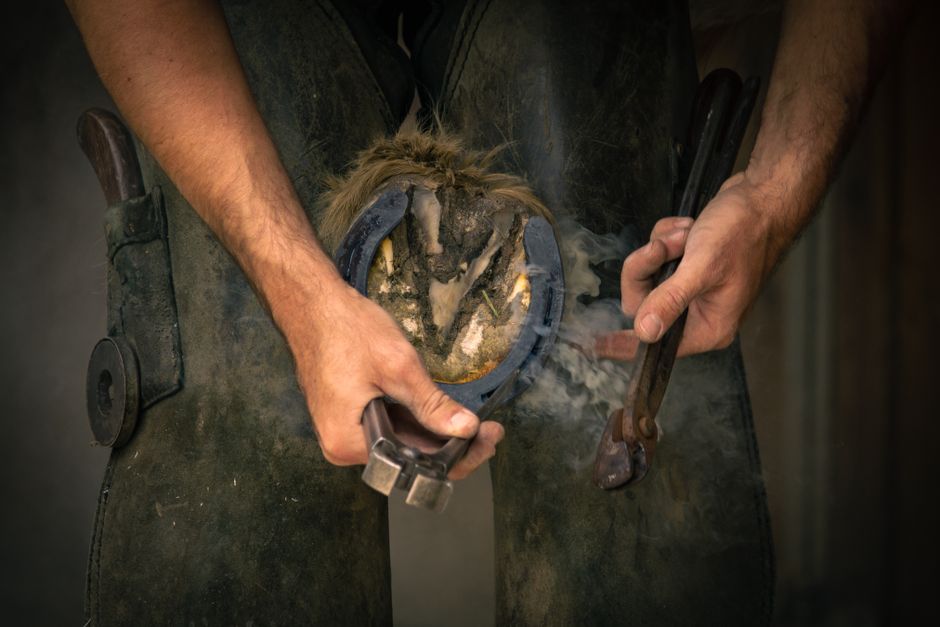
Routine hoof care is fundamental. Scheduling regular farrier visits and maintaining clean, dry environments in the barn reduce the risk of hoof-related problems that can contribute to laminitis. Our ambulatory veterinary team works closely with farriers throughout Newnan and surrounding communities to ensure that your horse’s feet are trimmed and balanced for optimal health. Partnering with professionals experienced in hoof care for horses can make a significant difference in long-term soundness.
If you are unsure about your horse’s nutrition, our equine nutrition counseling helps you create a feeding plan tailored to your horse’s needs and the unique pasture conditions of your farm.
When to Call Your Ambulatory Equine Veterinary Team
It is always better to err on the side of caution when it comes to laminitis. If your horse shows any signs of lameness, reluctance to move, or changes in hoof temperature or digital pulse, prompt evaluation is vital. Immediate intervention can mean the difference between a temporary setback and a lifelong struggle with chronic pain.
Our mobile equine veterinary team is equipped to provide thorough on-farm evaluations, advanced diagnostics, and emergency care when needed. Whether you are managing a performance horse, broodmare, or retired companion, timely veterinary attention can help preserve your horse’s comfort and mobility.
For sudden or severe cases, such as a horse refusing to stand or exhibiting extreme distress, do not wait—contact us immediately for emergency care for horses in Newnan, GA. Our veterinarians can assess your horse on-site and begin treatment without delay.
Keeping Your Horse Sound: Partnering with Southern Crescent Equine Services
Laminitis can be a devastating diagnosis, but with vigilant management and the support of experienced veterinary professionals, your horse can enjoy a comfortable and active life. At Southern Crescent Equine Services, we bring comprehensive hoof care, nutritional guidance, and lameness evaluations directly to your barn or pasture, serving Newnan, GA and surrounding areas. Our five full-time equine veterinarians provide ambulatory service throughout the region, ensuring your horse gets the care they need, when and where they need it.
If you have questions about what is laminitis or need help creating a prevention plan tailored to your horse’s unique needs, reach out to our team today. When searching for an “equine vet near me,” trust the local experts who understand Georgia’s climate, pasture conditions, and the needs of horses year-round. To schedule an on-farm visit or speak with one of our veterinarians, call (770) 252-6860 or visit us at 815 Herring Road, Newnan, GA 30265.
For additional information about laminitis, hoof care, or nutrition, explore our resources on laminitis in horses, hoof care services, and equine nutrition counseling. Your horse’s comfort, soundness, and long-term wellbeing are always our top priorities.