What Is Colic in Horses? Signs and Mobile Care Solutions
What Is Colic in Horses? Signs and Mobile Care Solutions
Colic is a word that strikes fear in the heart of every horse owner in Newnan and the surrounding communities, yet it is one of the most common and misunderstood equine health emergencies. If you have ever wondered, “What is colic in horses?” or worried about how to recognize the signs and respond quickly, you are not alone. At Southern Crescent Equine Services, our mobile veterinary team is dedicated to supporting horse owners with prompt, expert care delivered right to your stable or pasture. In this blog, we will explain what colic means for your horse, review the warning signs to watch for, discuss possible causes, and outline how our mobile team can help with on-site support. We will also provide practical tips for prevention and guidance on when to seek immediate veterinary attention. If you are looking for reliable information about colic and want the peace of mind that comes with knowing help is just a call away, you have come to the right place. For more in-depth details, you can also visit our page with information about colic in horses.
Recognizing Colic in Horses: Signs Every Owner Should Know
Understanding what is colic in horses starts with recognizing the symptoms early. Colic simply refers to abdominal pain, but its causes and severity can vary widely. Some horses may experience mild discomfort that resolves quickly, while others face life-threatening emergencies if help is not provided promptly. As a horse owner, being able to spot the early warning signs can make all the difference in your horse’s outcome.
Key symptoms of colic include restlessness, pawing at the ground, repeatedly lying down and getting up, rolling or attempting to roll, looking back at the flank or belly, and kicking at the abdomen. Other signs you may notice are a lack of interest in food or water, reduced or absent manure production, excessive sweating, rapid breathing, or an increased heart rate. Some horses may stretch out as if to urinate or stand awkwardly in an attempt to find relief. In severe cases, they may collapse or thrash.
It is important to remember that every horse is an individual; some may show very subtle signs while others are dramatically uncomfortable. If you observe any unusual behaviors or suspect something is wrong, trust your instincts and contact our veterinary professionals for advice. Quick action can often mean a smoother recovery and less risk of complications.
What Causes Colic in Horses?
After asking, "What is colic in horses?" most owners naturally want to know why it happens. Colic is not a single disease but a symptom of abdominal pain that can arise from a variety of causes. Understanding these causes can help you make management decisions that reduce your horse’s risk.
Common causes of colic include changes in diet, insufficient water intake, sudden weather shifts, ingestion of sand or foreign material, dental problems leading to improper chewing, and parasite infestations. Gas buildup, impactions from poorly digested feed, and twisted intestines are also possible culprits. Sometimes colic may be related to stress, heavy work, or other underlying health conditions.
In our local region around Newnan, GA, fluctuations in weather—such as rapid temperature drops or seasonal changes—can contribute to changes in feeding and drinking behavior, increasing the risk. Horses on sandy soils may be more prone to sand colic, while those with irregular dental care can struggle with impaction issues. Our mobile team is equipped to assess your horse’s environment, feeding practices, and medical history to help pinpoint likely causes and recommend targeted solutions.
Mobile Veterinary Treatment and Support for Colic
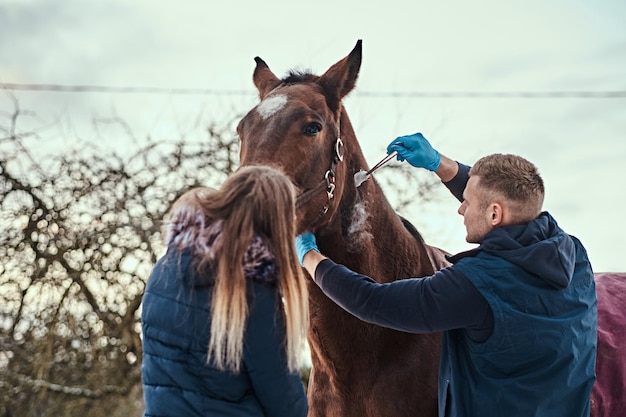
When your horse shows signs of colic, time is of the essence. One of the major advantages of partnering with Southern Crescent Equine Services is our ability to bring advanced veterinary care directly to your farm or stable. There is no need to load a distressed horse into a trailer and risk further injury or discomfort. Our mobile veterinarians arrive fully equipped to assess, diagnose, and treat colic right in the comfort of your horse’s familiar environment.
Initial evaluation involves a thorough physical exam, assessment of vital signs, and gentle palpation of the abdomen. We may recommend additional diagnostics such as rectal exams, nasogastric intubation to relieve stomach pressure, or ultrasound imaging if needed. Treatment approaches are tailored to your horse’s condition and may involve administering pain-relieving medications, intravenous fluids to combat dehydration, and medications to encourage gut motility. In certain cases, medical stabilization at home can support a full recovery, while more severe cases may require referral for surgical intervention.
Throughout the process, our veterinary professionals provide clear communication and compassionate guidance. We work closely with you to monitor your horse’s progress, explain each step, and ensure that all decisions are made with your horse’s best interest in mind. If you are ever unsure about the severity of your horse’s symptoms, our team is always available for consultation and on-site visits. For more about our urgent response capabilities, read about our emergency care services for horses in Newnan.
Preventing Colic: Practical Steps for Healthier Horses
While not every case of colic is preventable, there are many actions horse owners can take to reduce the risk. Prevention starts with consistent management, attention to your horse’s routine, and regular veterinary care.
Ensure your horse always has access to clean, fresh water, especially during hot Georgia summers or sudden cold snaps when water intake can drop. Feed high-quality forage, introduce dietary changes gradually, and provide regular dental care to support proper chewing and digestion. Minimize sand ingestion by using feeders off the ground and consider providing psyllium supplements if your horse is at risk for sand colic. Keep up with parasite control protocols and schedule routine checkups, as internal parasites are a significant contributor to digestive upset. Reduce stress by maintaining a consistent routine and offering turnout for exercise and mental health.
Environmental factors in Newnan and the surrounding areas, such as heavy rainfall or drought, can affect pasture quality and feed availability, so be proactive about adjusting management practices as conditions change. Our mobile team is always available to provide nutritional counseling, dental exams, and preventive care tailored to the unique needs of your horses.
When to Seek Immediate Veterinary Care for Colic
Knowing when to call your veterinarian is crucial in cases of colic. If your horse is showing any of the signs described earlier, such as repeated rolling, unresponsiveness to your attempts to comfort them, or if the pain seems to worsen, do not wait. Immediate veterinary assessment can save lives and prevent complications. Never attempt to treat colic at home without guidance from a veterinary professional, as some interventions may do more harm than good.
Our mobile veterinary team at Southern Crescent Equine Services is ready to respond quickly, bringing care directly to you in Newnan, GA and the surrounding communities. We encourage you to reach out at the first sign of trouble, even if you are unsure of the severity. Early intervention can make all the difference in your horse’s comfort and long-term health. Explore our Emergency Care FAQ and resources for horse owners for more information on preparing for emergencies and what to expect during a call.
Protecting Your Horse: Mobile Colic Care and Local Support
Colic is a serious condition that requires prompt recognition and professional care, but you do not have to face it alone. By understanding what is colic in horses, staying alert to the early warning signs, and investing in good management and preventive practices, you can help keep your horse healthy and comfortable. When the unexpected happens, Southern Crescent Equine Services is here to provide expert, compassionate care right at your barn, minimizing stress for both you and your horse.
If you are searching for a mobile vet near me who truly understands the needs of horses in Newnan and surrounding communities, our veterinary professionals are just a call away. For questions, in-home evaluations, or urgent colic care, contact our team at (770) 252-6860 or visit us at 815 Herring Road, Newnan, GA 30265. For more details about what is colic in horses or to request assistance, please see our information about colic in horses. Your horse’s well-being is our top priority, and we are committed to being your trusted partner in equine health, wherever you are.
This information is intended as a general resource and should not replace professional veterinary care. If you believe your horse is experiencing colic or any signs of illness, please contact your veterinarian immediately for personalized advice and treatment.