Spring Equine Nutrition: Optimizing Pasture Grazing in Georgia

Spring Equine Nutrition: Optimizing Pasture Grazing in Georgia
As spring arrives in Newnan, GA, horse owners eagerly watch their pastures transform from winter’s muted browns to vibrant green fields. While the return of lush grass is a welcome sign, it also brings important nutritional considerations for your horse’s health and performance. At Southern Crescent Equine Services, our veterinary team specializes in equine nutrition and hoof care, supporting horses as they transition through seasonal changes. In this blog, we’ll explore how spring pastures affect your horse’s diet, which nutrients are most critical during this period, and what you can do to ensure your horse receives balanced nutrition as fresh grass emerges. We’ll also discuss how our expertise in equine nutrition and hoof care services can make a significant difference for horses in Newnan and surrounding communities.
Recognizing Nutrition-Related Issues in Spring Pastures
Springtime brings an abundance of tender new grass, but this seasonal dietary shift can lead to nutritional imbalances or even health risks if not managed carefully. Signs that your horse may be struggling with the change in pasture quality include sudden weight gain or loss, soft or cracked hooves, episodes of laminitis, increased restlessness, or changes in coat quality. You might notice that some horses become footsore or develop digital pulses, especially if they have a history of metabolic issues. Other signs that nutrition needs attention are loose manure and an unexpected drop in performance or energy. These symptoms can be subtle, so observing your horse daily as they begin grazing on spring grass is essential.
Understanding the Causes: Why Spring Grass Changes Nutrition
The nutrient profile of Georgia’s spring pastures differs significantly from winter forage or hay. As new grass grows, it is typically higher in moisture, sugar, and non-structural carbohydrates (NSCs). This rapid nutritional change can overwhelm a horse’s digestive system, particularly for animals that have been on hay-only diets throughout the colder months. Horses with metabolic conditions like insulin resistance or equine metabolic syndrome are especially sensitive to the sugar content in spring grass, putting them at higher risk for laminitis.
Additionally, spring pastures may lack some trace minerals even as they provide an abundance of energy and protein. Imbalances can occur when horses consume large quantities of fresh grass without adequate supplementation, potentially affecting not only weight and hoof quality but also immune function and overall well-being. Understanding this complex nutritional landscape is where specialized equine veterinary care becomes invaluable.
Managing Equine Nutrition During Spring Grazing
Professional management of your horse’s diet during spring is crucial. At Southern Crescent Equine Services, our veterinary professionals offer individualized nutritional counseling that considers pasture quality, your horse’s unique health history, and performance goals. Approaches to optimizing spring nutrition involve gradual pasture introduction, careful monitoring, and dietary adjustments.
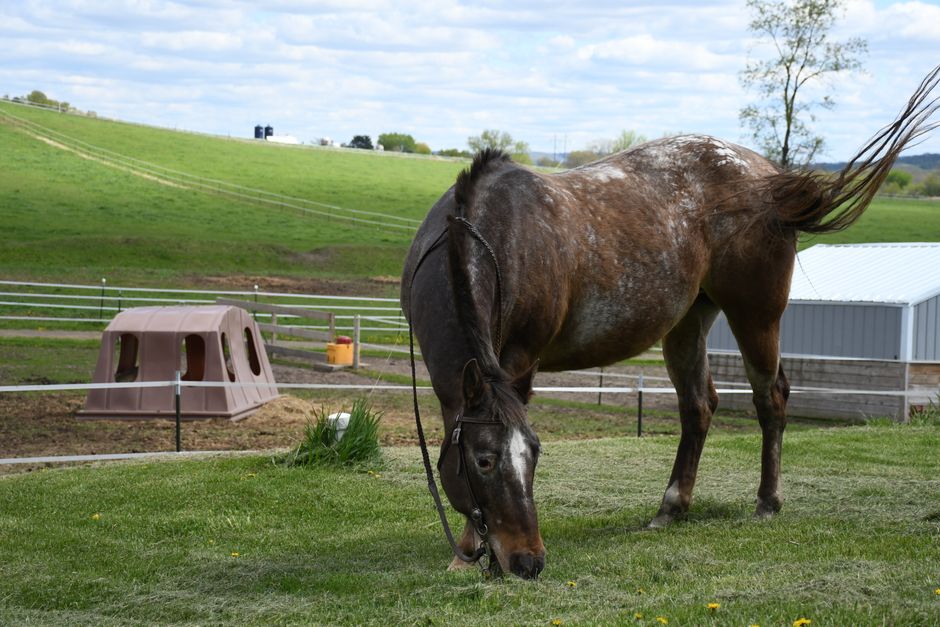
One important step is allowing horses to graze for short periods at first, gradually increasing time on pasture to let the digestive system adjust. For horses prone to laminitis or with metabolic concerns, using a grazing muzzle or restricting turnout during times when grass sugars are highest—typically afternoons on sunny days—can help reduce risk. Horses with a history of hoof problems benefit from hoof care services, which address the impact of dietary changes on hoof integrity.
Supplementation remains vital, as spring grass often does not provide all the necessary trace minerals, such as copper and zinc. Our team can recommend targeted mineral supplements and, when necessary, forage testing to determine exactly what your pasture offers. In some cases, incorporating a balancer pellet or adjusting the type and amount of concentrate feed may be necessary to ensure your horse’s nutritional needs are fully met. For more detailed support on balancing your horse’s diet this season, you can explore our nutritional counseling and prescription horse foods.
The Role of Hoof Health and Nutrition
Spring nutrition and hoof health are closely linked. Diets high in sugars and inadequate in key minerals can trigger laminitis or lead to soft, crumbly hooves. Our veterinary team provides specialized hoof care, including advice on trimming schedules, shoeing options, and dietary adjustments to support healthy hoof growth. If your horse shows signs of lameness, increased digital pulses, or hoof heat, prompt evaluation and a tailored nutritional approach are crucial for recovery and ongoing soundness.
Preventing Problems: Steps Horse Owners Can Take This Spring
Proactive management is the cornerstone of keeping horses healthy as pastures change. Steps you can take include slowly acclimating your horse to spring grass, keeping turnout times short in the beginning, and monitoring body condition closely. Regularly checking your horse’s hooves for heat or tenderness and scheduling preventive hoof care services support long-term soundness.
Providing free-choice access to a balanced mineral supplement, offering hay alongside fresh pasture, and using grazing muzzles for horses at risk are all strategies that help prevent nutritional imbalances. Observing your horse for changes in behavior, manure consistency, or weight can alert you early to any developing issues. Our team is always available to answer questions or design a nutrition plan that fits your farm’s unique conditions.
When to Seek Specialized Veterinary Care
Not all nutritional issues can be managed at home, and some require the expertise of an equine specialty vet. You should contact our veterinary professionals if you notice sudden lameness, signs of laminitis, persistent diarrhea, unexplained weight changes, or if your horse has a known metabolic disorder. Horses that do not adjust well to spring pasture or those with a history of hoof problems benefit from early intervention and a customized nutritional strategy.
Owners who are unsure about the quality of their pasture or the adequacy of their current feeding program are encouraged to seek professional guidance. Our veterinarians can perform a comprehensive nutritional assessment, recommend testing, and develop a plan that addresses both immediate and long-term health. When searching for a specialty vet near me, it is essential to choose a practice with deep experience in equine nutrition and hoof care.
Supporting Healthy Horses This Spring: Connect With Southern Crescent Equine Services
Spring in Newnan, GA, is a beautiful time to see horses thriving on renewed pastures, but the transition requires careful attention to nutrition and hoof health. The veterinary team at Southern Crescent Equine Services is dedicated to helping your horse make the most of spring grazing while minimizing health risks. Whether you need advice on mineral supplementation, tailored feeding plans, or preventive hoof care services, we are here to support you.
If you have questions about your horse’s diet or are concerned about changes you’re seeing this season, reach out to our veterinarians for expert guidance. For those seeking specialized nutritional counseling and prescription horse foods, our team is ready to help you create a personalized plan for optimal health. Contact Southern Crescent Equine Services at (770) 252-6860 or visit us at 815 Herring Road, Newnan, GA 30265 to schedule a consultation and let us help your horse thrive this spring and beyond.
This blog is intended for educational purposes only and does not replace professional veterinary care. Always consult with a veterinary professional before making significant changes to your horse’s diet or management. For more resources on equine nutrition, you may also visit the American Association of Equine Practitioners.