Preventing Spring Colic: Mobile Tips for Newnan Horse Owners

Preventing Spring Colic: Mobile Tips for Newnan Horse Owners
As spring arrives in Newnan, GA, lush green pastures bring both beauty and a unique set of challenges for horse owners. One of the most pressing concerns this time of year is the increased risk of colic in horses. Whether your horses are seasoned pasture dwellers or new to the area, understanding how to prevent spring colic is crucial for their health and your peace of mind. At Southern Crescent Equine Services, our ambulatory veterinary team provides on-farm care throughout Newnan and surrounding communities, helping you keep your horse healthy right in your own barn or pasture. In this blog, we will discuss what makes spring such a risky season for colic, how to recognize early warning signs, why rapid diagnosis matters, and how our mobile equine veterinarians support your horse’s wellbeing. We will also share practical prevention tips and explain when to call for professional help.
If you are looking for resources about recognizing and addressing colic, you may also find our detailed information on what is colic helpful. Whether you are managing a single horse or a barn full of equine athletes, our goal is to help you prevent emergencies before they start this spring.
Recognizing Colic: Early Signs Every Horse Owner Should Know
Colic describes abdominal pain in horses and can range from mild discomfort to life-threatening emergencies. Spring brings an uptick in colic cases due to changes in pasture quality, sudden dietary shifts, and increased activity as temperatures rise. It is important for horse owners to know the early signs so that you can act quickly and minimize risk.
Key symptoms of colic in horses include repeated pawing at the ground, looking back at the flank, restlessness, frequent getting up and down, rolling, or even lying down for extended periods. Some horses will show decreased appetite, reduced manure output, or stretched-out postures as if trying to urinate. Other warning signs are excessive sweating, increased heart or respiratory rates, or visible distress when you touch the abdomen. Each horse may show different behaviors, so it is essential to know what is normal for your horse and notice any deviations.
If you notice any of these symptoms, it is important to monitor your horse closely and contact your equine veterinary team promptly. Early intervention can make a significant difference in the outcome.
Why Is Spring Colic So Common in Newnan?
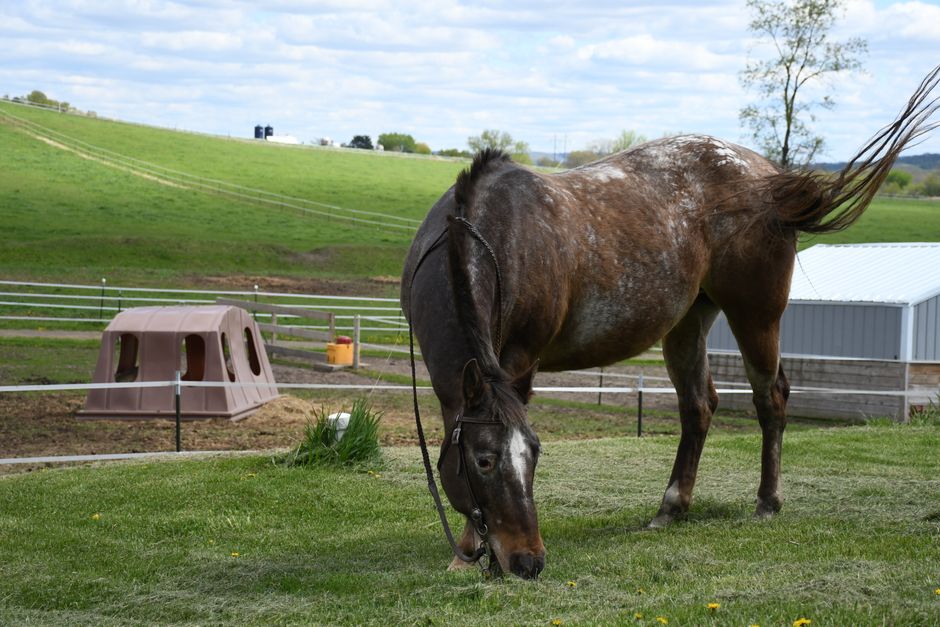
Springtime in Georgia brings rapid changes to pasture grass, affecting the digestive systems of horses. As pastures green up, the lush new growth is rich in sugars and can be more difficult for horses to digest, especially if they have been eating mostly hay during the winter. Horses that are suddenly turned out onto fresh pasture may eat too quickly or consume too much, increasing the risk of gas buildup and changes in gut motility.
Additionally, spring is often when horses experience changes in routine, such as increased exercise, deworming programs, or the introduction of new feeds and supplements. These factors, combined with unpredictable weather that swings from warm to chilly and back again, can also contribute to digestive upset. Some horses are more sensitive than others, especially those prone to metabolic issues or those with a history of previous colic episodes.
Our mobile equine veterinarians frequently address spring colic concerns during on-farm visits, helping owners adjust turnout schedules, feeding practices, and pasture management to suit each horse’s individual needs.
Professional Colic Evaluation and Treatment: What to Expect from a Mobile Equine Vet
When you call Southern Crescent Equine Services for a colic concern, our ambulatory team arrives at your barn equipped to perform a thorough evaluation. The initial assessment begins with a detailed history of your horse’s recent diet, turnout, manure output, and any changes in activity or behavior. We then perform a physical examination, checking vital signs such as heart rate, respiratory rate, temperature, and gut sounds.
If needed, diagnostic procedures may include abdominal palpation, passing a nasogastric tube to relieve gas or fluid, rectal examination, or ultrasonography to evaluate internal organs. Treatment approaches depend on the severity and type of colic but often involve administering pain-relieving medications, fluid therapy, and supportive care. In some cases, more advanced interventions or referral for surgery may be necessary.
Our mobile service model means your horse can be evaluated and treated on-site, reducing the stress of transport and allowing for immediate intervention. For urgent or severe colic cases, our emergency services provide rapid response right at your barn, ensuring your horse receives timely care. You can learn more about what to expect from our emergency care for horses in Newnan, GA.
Preventing Spring Colic: Practical Steps for Your Barn and Pasture
Prevention is always preferable to treatment, especially when it comes to colic. As horse owners in Newnan head into the spring season, there are several steps you can take to protect your horses from digestive upset.
Gradually introduce horses to spring pasture by limiting turnout time at first, then slowly increasing access as their digestive systems adjust. Monitor your horse’s body condition and adapt the amount of hay or concentrate accordingly; avoid abrupt feed changes. Provide constant access to clean, fresh water, as dehydration can increase the risk of impaction colic. Regularly check and clean water troughs, especially as temperatures rise.
Pasture management is also important. Keep an eye out for weeds or toxic plants that may emerge with spring growth and remove them promptly. Mow and rotate pastures to prevent overgrazing and encourage even grass growth. For horses with metabolic sensitivities or a history of laminitis, consider using a grazing muzzle or creating a dry lot to limit intake of high-sugar grass.
Routine veterinary care is essential. Schedule regular dental exams to ensure your horse can chew properly and digest feed efficiently. Stay up to date with deworming and vaccination protocols, and ask your equine veterinary team for a tailored nutrition plan for your horse that fits the unique conditions in Newnan. By working closely with your mobile equine veterinarian, you can develop a prevention strategy that suits your horse, your property, and your goals.
When to Call Your Equine Veterinarian: Acting Quickly to Protect Your Horse
Recognizing the difference between mild digestive upset and a true colic emergency can be challenging, but it is always safer to err on the side of caution. If your horse shows persistent signs of discomfort, refuses to eat, rolls repeatedly, or fails to pass manure, it is time to call your veterinarian. Horses that do not respond to simple walking or comfort measures, or those whose pain seems to worsen, require prompt professional attention.
Southern Crescent Equine Services provides ambulatory colic evaluations and emergency care throughout Newnan and the surrounding area. Our goal is to address colic concerns at your barn, minimizing transport stress and enabling timely, effective intervention. If you ever feel unsure whether your horse’s symptoms are serious, do not hesitate to reach out; we would rather answer your questions early and prevent a crisis.
For more information about recognizing the signs of colic and what steps to take, review our guide on what is colic and our frequently asked questions about emergency care.
Supporting Your Horse This Spring: Mobile Equine Care in Newnan
Spring is an exciting season for horse owners in Newnan, but it also brings increased risks that require proactive management. By recognizing early signs of colic, understanding the reasons behind springtime digestive issues, and partnering with an experienced mobile equine veterinary team, you can keep your horse safe and comfortable as the pastures green up.
At Southern Crescent Equine Services, our ambulatory veterinarians are dedicated to supporting your horse’s health through every season. We provide on-farm calls throughout Newnan and nearby communities, offering services that range from colic evaluation and emergency intervention to nutrition consulting and ongoing preventive care. If you are searching for an “equine vet near me” who can deliver advanced care right at your barn, our team is here to help.
If you have concerns about your horse’s risk for spring colic or need to schedule a farm visit, contact our veterinary team at (770) 252-6860 or visit us at 815 Herring Road, Newnan, GA 30265. For additional guidance on equine nutrition or to learn more about our full range of ambulatory services, explore our equine nutrition resources or speak with our veterinarians today. Your horse’s wellbeing is our priority—let us partner with you to make this spring a healthy and happy one for your entire barn.