Preventing Hoof Problems in Georgia’s Hot, Humid Summers
Preventing Hoof Problems in Georgia’s Hot, Humid Summers
As the days grow longer and the Georgia heat intensifies, every horse owner in Newnan and surrounding communities begins to worry about the impact of summer weather on their horse’s hooves. The combination of high temperatures and persistent humidity creates a perfect storm for hoof issues—ranging from soft, mushy soles to painful infections. At Southern Crescent Equine Services, our team of equine veterinarians understands how vital healthy feet are to your horse’s comfort, performance, and overall well-being. In this guide, we’ll explore the most common summer hoof problems in our region, explain why they occur, and provide practical, expert-backed tips to help you keep your horse sound and thriving throughout the season. Whether your horse spends most of the day turned out on lush pasture or works hard in the arena, understanding seasonal hoof care is crucial. Plus, we’ll outline how our specialized hoof care services and ambulatory team are ready to support you—right at your barn or farm—when hoof concerns arise.
Spotting Summer Hoof Problems: What Every Horse Owner Should Watch For
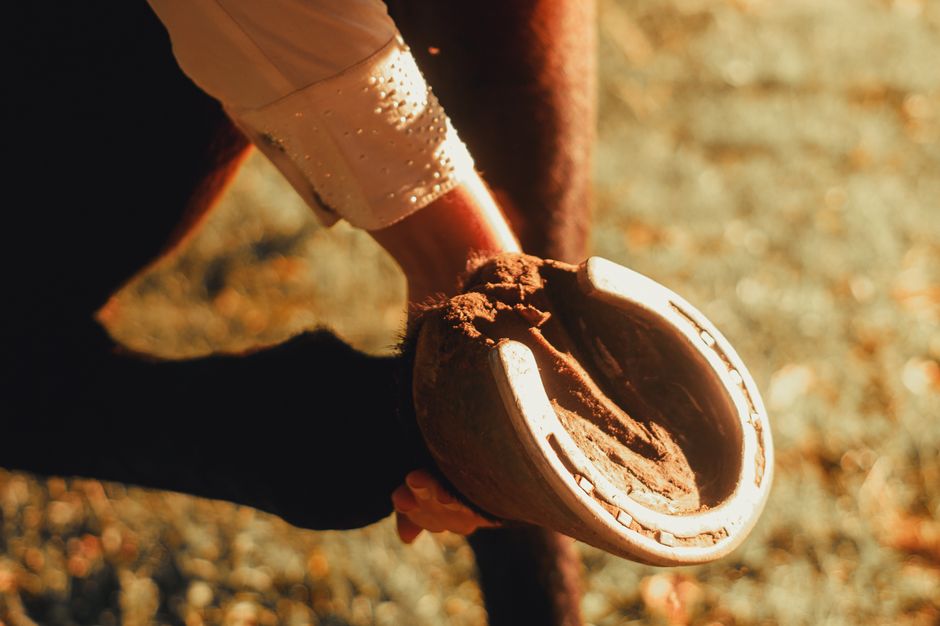
Georgia’s summer climate can create a host of challenges for equine feet. Recognizing the early signs of trouble can help you intervene before a minor issue becomes a major setback. Key symptoms of hoof problems include changes in hoof texture, such as a soft or crumbly sole, an unpleasant odor coming from the foot, visible cracks or chips in the hoof wall, and increased digital pulse or heat in the hoof. Additionally, horses may display lameness, reluctance to move, or shifting weight from one leg to another. Thrush is particularly common in wet, humid conditions and often appears as black, smelly discharge around the frog. White line disease may show up as powdery or chalky material at the sole-hoof wall junction, sometimes accompanied by separation. You might also notice abscesses, which tend to present suddenly with severe pain and swelling above the hoof. If your horse is stabled during the summer, keep an eye out for excessive dryness as well, which can lead to brittle hooves and cracks.
Why Do Hoof Issues Flourish in Georgia Summers?
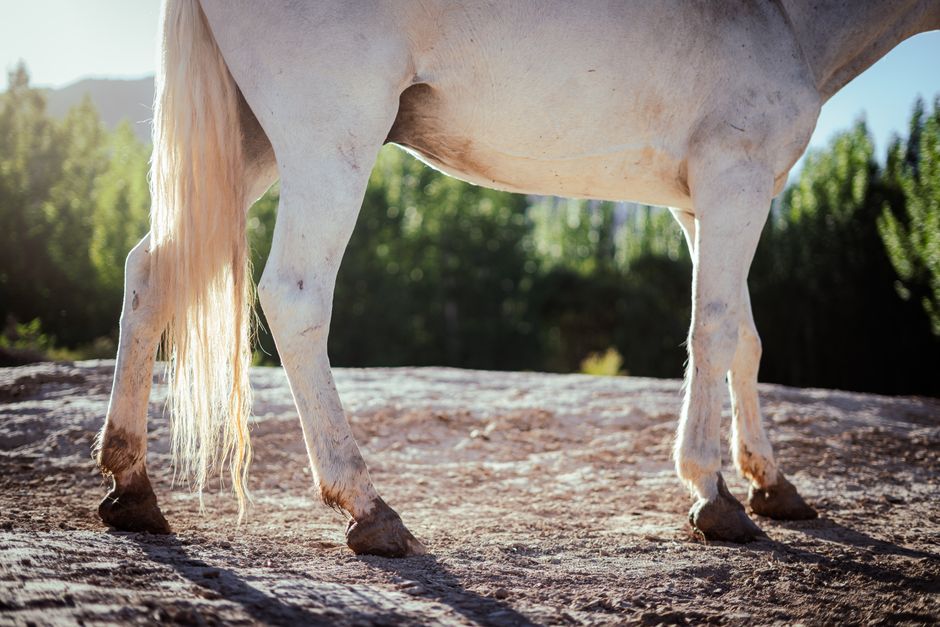
Understanding the underlying causes of summer hoof problems can help you take the right preventive steps. The hot, humid climate in Newnan and much of Georgia means horses often contend with wet pastures, muddy paddocks, and perpetually damp footing. Prolonged exposure to moisture can soften the hoof horn, making it easier for bacteria and fungi to invade. This is a primary reason why conditions like thrush and white line disease become so prevalent during the summer months. Conversely, periods of alternating rain and intense sun can cause the hoof to cycle between soft and dry, increasing the risk of cracks and splits. Horses that spend significant time on lush pasture may also be at risk for laminitis, especially if their diet is not carefully managed; rapid changes in nutrition and a flush of soluble sugars in fresh grass can trigger inflammation within the hoof. For a deeper dive into the causes and risks of laminitis, you can read our comprehensive educational guide on laminitis in horses. The combination of environmental and nutritional factors makes summer hoof care in Georgia a multifaceted challenge.
Professional Treatment and Management: How Southern Crescent Equine Services Can Help
When hoof problems do arise, prompt and specialized treatment is essential to keep your horse comfortable and prevent long-term damage. At Southern Crescent Equine Services, our equine veterinary team brings advanced diagnostics and expertise right to your barn or paddock. Management of thrush, for example, typically involves thorough cleaning of the affected area, application of topical treatments, and recommendations for improved stall or paddock hygiene. For white line disease, our veterinarians may recommend debridement of the affected hoof wall, application of antifungal agents, and guidance on minimizing further moisture exposure. Hoof abscesses require careful drainage, pain management, and follow-up care to ensure healing. If we suspect deeper or chronic issues, such as recurring lameness or laminitis, our team can perform comprehensive lameness evaluations using digital radiography or ultrasonography, and develop a customized treatment plan. For horses with nutritional factors contributing to hoof problems, our veterinarians can provide targeted equine nutrition counseling, ensuring your horse’s diet supports optimal hoof health throughout the summer and beyond.
Preventive Hoof Care for Hot, Humid Weather: What Horse Owners Can Do
While professional intervention is vital for active problems, prevention is the cornerstone of summer hoof health. Start by maintaining clean, dry footing as much as possible. Regularly muck stalls and remove wet bedding, and consider improving pasture drainage or rotating turnout to minimize prolonged standing in mud. Daily hoof picking is essential, especially after rain or heavy dew, to remove packed dirt and check for early signs of infection. Schedule regular farrier visits to keep hooves properly trimmed and balanced; horses in work or on soft ground may need more frequent trims during summer. It’s also wise to keep the hoof wall and sole clean and dry, using topical dressings only as recommended by your veterinarian or farrier. Nutrition plays a crucial role as well. Ensure your horse receives a balanced diet with adequate biotin, amino acids, and minerals, and be cautious about sudden changes in forage or concentrate during periods of rapid pasture growth. If your horse is prone to laminitis or metabolic issues, work with our team to develop a safe grazing and feeding plan tailored to their needs. For more information, our hoof care services page provides a comprehensive overview of how we support healthy feet year-round.
When to Call Your Equine Veterinarian: Knowing When Hoof Problems Need Professional Attention
Some hoof issues can be managed with good barn hygiene and attentive care, but others require immediate veterinary attention to prevent severe complications. If your horse is lame, non-weight bearing, or shows sudden swelling or heat in the hoof or lower limb, prompt diagnosis and treatment are crucial. Persistent foul odor, deep cracks, or evidence of white line separation should also prompt a call to your veterinarian. Horses with a history of laminitis, metabolic disease, or recurring hoof infections need extra vigilance in the summer months. Early intervention is key to preventing long-term damage and reducing downtime. Our ambulatory team at Southern Crescent Equine Services is equipped to handle everything from routine hoof checks to advanced diagnostics on-site, giving you peace of mind and access to expert care when you need it. If you are ever unsure whether a hoof problem warrants a veterinary visit, it’s always better to err on the side of caution and reach out for advice.
Why Summer Hoof Care Matters for Every Horse Owner in Newnan and Surrounding Communities
Georgia’s hot, humid summers present unique challenges for horses and their owners, but with the right knowledge and a proactive approach, you can keep your horse’s feet strong and healthy all season long. Staying attentive to early warning signs, understanding the impact of our local climate, and partnering with experienced equine veterinarians are your best tools for preventing and managing hoof problems. If you are searching for an “equine vet near me” who truly understands the needs of horses in Newnan and the surrounding area, Southern Crescent Equine Services is here to help—whether you need a routine check or urgent support. To schedule a hoof evaluation or consult with our veterinary team about summer hoof care, call (770) 252-6860 or visit us at 815 Herring Road, Newnan, GA 30265. Our commitment is to provide advanced, compassionate equine care right at your barn or farm, helping you keep your horse happy, sound, and ready for whatever the season brings.
This article is intended for informational purposes only and does not replace professional veterinary care. If you suspect your horse has a hoof problem, consult your veterinarian promptly.