March Hoof Care: Spring Prep for Georgia Horses
March Hoof Care: Spring Prep for Georgia Horses
Spring in Georgia is a time of renewal, but for horse owners in Newnan and the surrounding communities, it also brings unique challenges for hoof health. As the pastures turn green and rain becomes more frequent, the risk of hoof problems like thrush, abscesses, and soft soles increases. At Southern Crescent Equine Services, our mobile veterinary team understands how these seasonal changes can impact your horse’s comfort and soundness. We bring comprehensive hoof care directly to your barn, helping you navigate the wet, muddy conditions that define a Georgia spring. In this blog, we’ll share essential March hoof care tips, explain how spring weather affects equine feet, and discuss how our veterinarians can help you protect your horse from common wet-weather hoof issues—all from the convenience of your own property. If you’re looking for expert hoof care support in Newnan, you’ll discover how our mobile approach reduces stress for your horse while giving you one-on-one guidance tailored to your unique situation. To learn about our full range of hoof care offerings, visit our hoof care services page.
Recognizing Spring Hoof Problems in Georgia Horses
As temperatures rise and rainfall increases, you may notice changes in your horse’s hooves. Key signs that your horse could be developing a spring-related hoof issue include a strong, foul odor coming from the hoof, a black or tar-like discharge around the frog, or increased tenderness when picking out the feet. You might observe your horse becoming less willing to walk over gravel or harder surfaces, or you could see swelling around the coronary band and pastern. Lameness that appears suddenly, especially after heavy rains, often points to abscesses brewing inside the foot. Horses living in wet, muddy paddocks are at higher risk, and those with deep central sulci or history of hoof infections may show symptoms sooner. If you see any of these warning signs, it’s time to take action before minor problems escalate into serious lameness.
Why Spring Weather Challenges Hoof Health
Georgia’s spring climate is notorious for alternating periods of heavy rain and warming temperatures. These conditions create the perfect environment for bacteria and fungi to thrive, especially in damp bedding or pastures. When horses stand in wet conditions for extended periods, their hoof horn softens, making it more susceptible to bruising, splitting, and infection. Thrush is a common result; it is caused by bacteria that invade the soft tissues of the frog when the hoof remains wet and packed with debris. Abscesses can also develop when bacteria enter through tiny cracks or nail holes, especially in horses with thin soles or compromised hoof walls. Additionally, frequent moisture and drying cycles can cause hoof walls to expand and contract, leading to chipping and loss of structural integrity. Horses in Newnan and neighboring areas often spend more time outdoors during spring, so routine hoof inspections become even more important as pastures get muddy and turnout conditions fluctuate.
Professional Hoof Care and How Southern Crescent Equine Services Helps
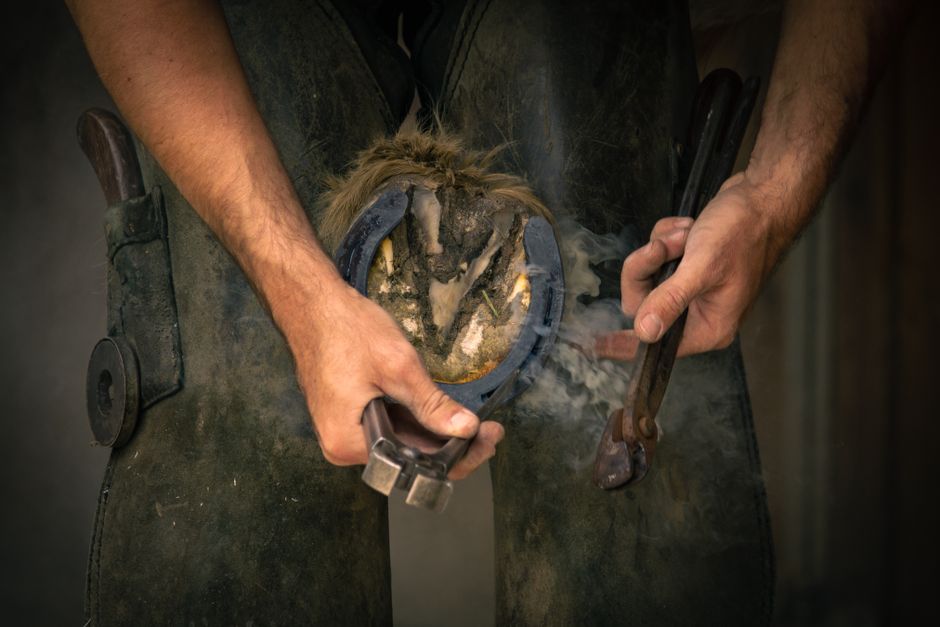
Managing spring hoof challenges begins with proactive, professional care. Our veterinarians provide in-depth hoof evaluations at your barn, allowing us to assess hoof balance, sole thickness, frog health, and shoeing needs in the environment where your horse spends the most time. Treatment approaches for common issues like thrush involve carefully trimming away infected tissue, applying topical antibacterial agents, and recommending changes in turnout management. For abscesses, our veterinary team can locate the source of pain, carefully open the abscess to relieve pressure, and provide aftercare instructions you can follow at home. If your horse’s hooves are soft or misshapen, we may suggest dietary adjustments to support healthy hoof growth; you can read more about our equine nutrition services for tailored recommendations. In cases of persistent lameness or recurrent hoof infections, we use advanced diagnostics such as digital radiographs or ultrasounds to uncover underlying problems and create a treatment plan. Because Southern Crescent Equine Services is a mobile practice, we can monitor your horse’s progress through regular visits, adjusting care as needed without the stress of trailering to a clinic.
Home Care and Prevention: What You Can Do This Spring
While professional hoof care is essential, daily management at home makes a significant difference in preventing springtime hoof issues. Steps you can take include picking out your horse’s hooves at least once daily, especially after turnout in wet or muddy paddocks. Removing mud and debris helps reduce the risk of thrush and allows you to check for early signs of discomfort. Providing a dry area, such as a sacrifice paddock or well-drained run-in shed, gives your horse a place to escape standing water. If your pastures are persistently wet, rotating turnout areas and using gravel or wood chips in high-traffic zones can help minimize mud. Feeding a balanced diet rich in essential nutrients—like biotin, methionine, and zinc—supports healthy hoof growth; our veterinarians can work with you to customize a nutritional plan that fits your horse’s needs. Scheduling regular farrier visits every six to eight weeks keeps hooves properly trimmed and balanced, reducing the risk of chipping and splitting. For additional support, our veterinary professionals can recommend topical hoof dressings or sprays designed for the local climate.
When to Call for Veterinary Hoof Care
There are times when home management is not enough, and professional intervention becomes critical. If your horse develops sudden lameness, especially following wet weather, it may signal an abscess or other hoof infection that requires prompt attention. Persistent foul odor, black discharge, or deep cracks in the frog are signs that thrush has advanced and needs veterinary care. Horses with recurrent hoof problems, slow hoof growth, or changes in gait should also be evaluated by our veterinarians. Additionally, if you notice swelling above the hoof, heat in the foot, or signs of pain when picking up the leg, do not wait—these symptoms can indicate a more serious underlying problem. As a mobile veterinary service, Southern Crescent Equine Services brings advanced diagnostic tools and treatment options right to your barn, so your horse receives timely care without the added stress of travel. For more information about our assessment and diagnostic capabilities, explore our lameness and evaluations services. If you ever face an urgent hoof concern, our veterinary team is ready to help you address the problem quickly and compassionately.
Why Choose Mobile Hoof Care in Newnan This Spring?
The convenience and stress reduction of having professional hoof care delivered directly to your farm cannot be overstated. Horses are most comfortable in their own environment, and our mobile approach allows us to observe your horse’s movement, turnout conditions, and herd dynamics firsthand. This leads to more personalized recommendations and a deeper understanding of the factors affecting your horse’s hoof health. We serve Newnan and surrounding communities, so whether you’re managing a single performance horse or a barn full of pasture companions, our veterinary team can create a spring hoof care plan tailored to your needs. For those searching for a "mobile vet near me," Southern Crescent Equine Services offers ongoing support, responsive scheduling, and expert advice you can trust—all provided in the comfort of your home barn.
Preparing Your Horse’s Hooves for a Healthy Georgia Spring
As spring unfolds in Newnan, prioritizing hoof care will help your horse stay sound, comfortable, and active through the changing weather. By staying alert to early warning signs, understanding how rain and mud can impact hoof health, and working closely with our mobile veterinary team, you can prevent many common springtime problems before they begin. Remember to pick out hooves daily, provide dry shelter when possible, and maintain a balanced diet to encourage strong hoof growth. When you need professional help, Southern Crescent Equine Services is here with in-home evaluations, advanced diagnostics, and customized treatment plans that put your horse’s well-being first. If you have questions or would like to schedule a spring hoof care visit, call our veterinarians at (770) 252-6860 or find us at 815 Herring Road, Newnan, GA 30265. For additional information about our hoof care expertise, explore our hoof care services page. Let us help you and your horse enjoy a safe, healthy, and sound spring season in Georgia.
This blog is for informational purposes only and does not replace professional veterinary advice. Always consult your veterinarian for diagnosis and treatment recommendations specific to your horse’s needs.