Managing Heat Stress in Horses: Summer Care Tips for Newnan, GA
Managing Heat Stress in Horses: Summer Care Tips for Newnan, GA
Georgia summers are known for their intense heat and humidity, particularly in August. If you are a horse owner in Newnan or the surrounding communities, you are likely well aware of how quickly hot weather can put your horse at risk. At Southern Crescent Equine Services, located at 815 Herring Road, Newnan, GA 30265, our team of veterinarians sees firsthand how summer conditions can impact equine health. This guide will help you recognize the warning signs of heat stress, understand why horses are so susceptible in our climate, and learn practical steps for horse heat stress prevention. We will also share when it is time to seek professional care and how our veterinary professionals partner with local horse owners to keep their animals safe. Whether you are searching for tips on summer horse care in Newnan, GA or need guidance on hydration and turnout, our goal is to help you maintain your horse’s wellbeing all season long.
Recognizing Heat Stress in Horses: Key Signs to Watch For
Understanding the early symptoms of heat stress can make all the difference for your horse’s health during a Georgia summer. Horses are remarkably resilient, but even the most seasoned equine athletes or pasture companions can quickly succumb to heat-related issues when temperatures and humidity soar. Key symptoms of heat stress include excessive sweating that may suddenly stop, rapid breathing or flared nostrils, an elevated heart rate that remains high even at rest, and a rectal temperature exceeding 103°F. Other warning signs are lethargy, muscle tremors, stumbling, or reluctance to move. In severe cases, horses may show signs of confusion, collapse, or even seizures. These symptoms can emerge suddenly, especially if your horse is exercising, standing in the sun, or lacking access to fresh water and shade.
It is also important to note that some horses may display subtler changes, such as reduced appetite, a dull coat, or decreased performance. If you observe any of these issues, especially during hot, humid weather, it may be time to contact a veterinarian near you for an assessment. Prompt recognition and intervention are essential to prevent complications like heat exhaustion or heat stroke, both of which can be life-threatening.
Why Horses Are Vulnerable: Causes of Heat Stress in Newnan’s Climate
Horses are large animals with significant muscle mass, which means they generate a lot of internal heat during activity. In Georgia’s climate, high humidity can prevent sweat from evaporating efficiently, making it harder for horses to cool themselves. This is particularly true in the Newnan area during August, when daytime heat often lingers well into the evening and nighttime relief is minimal.
Factors that increase your horse’s risk include intense exercise in the heat, prolonged turnout during peak sun hours, limited access to shade or clean water, and underlying health conditions such as obesity or respiratory issues. Additionally, certain breeds or older horses may be less tolerant of extreme temperatures. Even routine activities, like trail riding or turnout, can become dangerous if precautions are not taken. Understanding these risks is the first step in horse heat stress prevention and ensures you are equipped to adjust your management practices when the weather demands it.
Professional Treatment and Management: How Our Veterinary Team Supports Your Horse
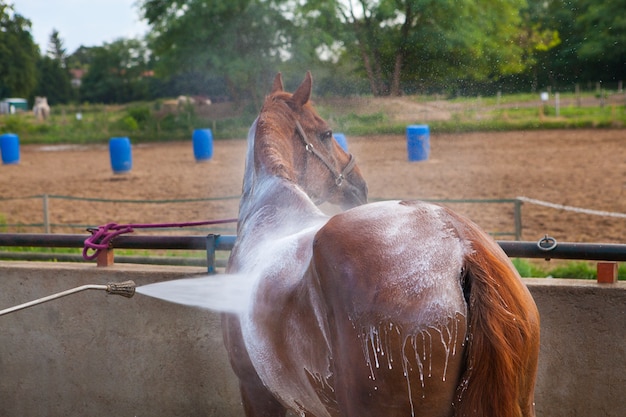
If you suspect your horse is experiencing heat stress, immediate action is required. Treatment approaches involve moving your horse to a shaded, well-ventilated area and offering cool, clean water in small amounts. Begin cooling your horse by hosing with cool (not ice-cold) water, focusing on large blood vessels along the neck and legs. If your horse refuses water, appears disoriented, or does not improve within minutes, contacting a veterinary professional is critical.
Our veterinarians at Southern Crescent Equine Services are experienced in diagnosing and managing heat stress. During your visit, we may perform a thorough physical exam, check vital signs, and run diagnostic tests to assess dehydration and organ function. Advanced treatments could include intravenous fluids, electrolyte replacement, and monitoring for complications like colic or kidney damage. Our commitment to comprehensive equine wellness means we also review your horse’s nutrition, turnout routines, and underlying health to prevent recurrence. If you need guidance on hydration strategies or feeding in hot weather, our nutritional counseling for horses can be tailored to your horse’s individual needs. In cases of severe distress or emergencies, our team is equipped to provide timely, advanced care right here in Newnan.
Prevention and Home Care: Steps for Horse Heat Stress Prevention
Preventing heat stress is always preferable to treating it after the fact. Practical steps you can take include providing unlimited access to fresh, cool water at all times and ensuring that shade is available in every turnout area. Schedule exercise and riding during the coolest parts of the day, such as early morning or late evening, and avoid strenuous activities during peak heat. Allow your horse to acclimate to rising temperatures gradually if they are not already used to summer weather. Additionally, offering salt blocks or electrolyte supplements can help encourage drinking and replace minerals lost through sweat. Keep your horse’s shelter well-ventilated and consider adding fans in barns or run-ins if safe to do so.
Regular grooming is also important, as a clean coat allows sweat to evaporate more effectively. Check your horse’s hooves regularly, as dry, cracked feet can become a problem in hot weather; for extra support, our hoof care services in Newnan help maintain healthy feet year-round. Adjusting your horse’s feed and turnout schedule based on weather forecasts can make a significant difference in their comfort and health throughout the hottest months.
When to Seek Veterinary Care: Protecting Your Horse in Newnan, GA
It is essential to recognize when home care is not enough and professional help is needed. If your horse’s temperature remains above 103°F after cooling efforts, if sweating stops, or if signs such as rapid breathing, muscle tremors, or unresponsiveness develop, call your veterinarian immediately. Horses who refuse to drink, have dark or concentrated urine, or show signs of colic need urgent assessment. In these scenarios, waiting can lead to irreversible complications.
Our veterinary professionals at Southern Crescent Equine Services are committed to supporting you through every stage of summer horse care in Newnan, GA. By scheduling an appointment, you ensure your horse receives individualized attention, whether you need a wellness exam, nutrition consultation, or urgent care intervention. Timely intervention can mean the difference between a quick recovery and a prolonged illness.
Keeping Horses Healthy All Summer: Your Trusted Partner for Equine Care
Georgia’s summer heat brings unique challenges, but with the right knowledge and support, you can keep your horse safe and comfortable. Recognizing early signs of heat stress, understanding the risks of our local climate, and following effective prevention strategies are all crucial steps for every horse owner. Remember, our team of veterinarians at Southern Crescent Equine Services is always here to help you navigate summer horse care in Newnan, GA and the surrounding communities.
If you want to review your horse’s nutrition plan, address hydration concerns, or need advice on turnout management, our nutritional counseling for horses and hoof care services in Newnan are available by appointment. For ongoing support from a “vet near me” who understands the challenges of our region, reach out to our veterinary team today. You can schedule an appointment by calling (770) 252-6860 or visiting us at 815 Herring Road, Newnan, GA 30265. We look forward to partnering with you to protect your horse’s health throughout the summer and beyond.
The information provided here is intended for educational purposes and should not replace professional veterinary care. If your horse is showing signs of distress or illness, please contact your veterinarian as soon as possible.
For more information about equine health and summer care, explore reputable resources such as the American Association of Equine Practitioners or contact our veterinary team for guidance tailored to your horse’s needs.