How to Handle Equine Lameness at Home
How to Handle Equine Lameness at Home: A Guide from Southern Crescent Equine Services
When your horse suddenly seems “off” or is unwilling to move as usual, it can be alarming and confusing. Equine lameness is a common problem that horse owners in Newnan, GA and surrounding communities face, but knowing how to respond at home can make a real difference in your horse’s comfort and recovery. At Southern Crescent Equine Services, our mobile veterinary team specializes in providing comprehensive, in-barn care, helping local horse owners manage lameness with prompt, compassionate attention right where your horse feels safest.
This guide will walk you through recognizing lameness signs, understanding why it happens, and the steps you can take while waiting for a professional evaluation. You’ll also learn how a mobile horse vet evaluation can bring advanced diagnostics and treatment directly to your barn, minimizing stress for both horse and owner. Whether you are searching for a “mobile vet near me” or simply want to be prepared for equine lameness at home, Southern Crescent Equine Services is here to help. For more details about how our team evaluates and manages lameness on-site, explore our equine lameness assessment and diagnostics services.
Recognizing Lameness: Signs Your Horse Needs Attention
Lameness in horses can range from subtle changes in movement to obvious inability to bear weight. Recognizing these signs early allows you to take quick action and reduce the risk of further injury. Key symptoms of equine lameness at home include noticeable limping, shortened stride, stiffness upon starting movement, or an unwillingness to walk, trot, or canter. You may also observe your horse shifting weight off a painful limb, standing with an abnormal stance, or showing reluctance to pick up feet. In some cases, heat or swelling in the affected leg, joint, or hoof may be present. Even subtle changes, such as behavioral shifts or a sudden drop in performance, can be early indicators that something is wrong.
Horses in Newnan and the surrounding area often spend long hours in paddocks and stalls, making it important to carefully observe them during daily routines. Seasonal changes, muddy pastures, or dry, hard ground can contribute to foot soreness or minor injuries, so watch for these issues during your regular checks.
If your horse displays any of these signs, staying calm and making careful observations will help your veterinarian evaluate the situation more effectively. It’s important to resist the urge to force movement or “work through” the lameness, as this can make injuries worse.
Common Causes of Equine Lameness at Home
Understanding what might be causing your horse’s discomfort is the first step in getting the right help. Lameness can result from a wide range of issues, from minor hoof bruises to more complex joint or tendon problems. In the Newnan region, common factors contributing to lameness include hoof abscesses, sole bruises from rocky ground, laminitis (inflammatory hoof disease), tendon or ligament strains, joint inflammation, or injuries from slips and falls. Poor hoof balance, improper shoeing, or nutritional deficiencies may also play a role, especially if your horse’s workload or environment has changed recently.
Occasionally, lameness can occur suddenly after a strenuous workout, play in the pasture, or an awkward misstep. Horses with chronic health conditions, such as arthritis or metabolic disease, might experience intermittent lameness that flares up with changes in weather or activity levels. Local climate patterns in Newnan, with hot, humid summers and mild winters, can influence pasture conditions and the risk of hoof problems, especially after periods of heavy rain or drought.
No matter the cause, a thorough evaluation by a mobile veterinarian near me can help determine the source and develop a targeted treatment plan. Our veterinary professionals can perform advanced diagnostics, such as digital radiograph technology and diagnostic ultrasounds, right in your barn, ensuring your horse’s care is both efficient and comfortable.
What to Do When Your Horse Is Lame: Home Management and Veterinary Care
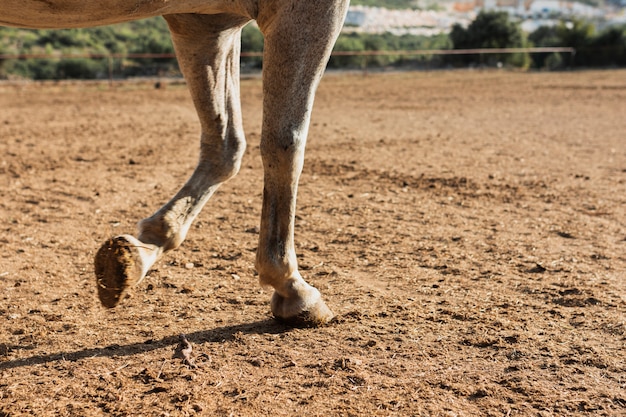
When you notice lameness, there are practical steps you can take at home while waiting for your veterinarian. First, move your horse to a safe, quiet area where they are less likely to injure themselves further. Restrict movement by keeping your horse in a small paddock or stall to prevent additional strain on the affected limb. Carefully inspect the legs and hooves for signs of heat, swelling, cuts, or embedded objects; if you find a foreign object, do not remove it, as this could worsen bleeding or infection.
If swelling is present, applying a cold compress or gently hosing the leg with cool water for 10-15 minutes can help reduce inflammation. Avoid giving any medications unless directed by your veterinarian, as some drugs can mask symptoms or interfere with diagnosis. It is helpful to note when the lameness started, any recent changes in routine, and whether the horse’s condition is improving or worsening.
A mobile horse vet evaluation offers a significant advantage by bringing advanced care to your location. Our veterinary team can perform a lameness assessment and diagnostics in the comfort of your barn, using portable equipment to provide immediate answers. This in-home care reduces the stress of trailering a lame horse and allows for a more thorough evaluation in familiar surroundings.
Depending on the findings, treatment options may include hoof care, bandaging, anti-inflammatory medication prescribed by your veterinarian, or advanced therapies such as PulseVet shock wave therapy or joint injections. For hoof-related issues, our veterinary professionals can provide professional hoof care and work closely with your farrier to address underlying problems.
Preventing Lameness: Practical Steps for Horse Owners
Preventing lameness is always preferable to treating it. Maintaining regular hoof trims and working with a qualified farrier help keep your horse’s feet balanced and healthy. Ensuring proper nutrition supports strong bones, joints, and hooves, while regular exercise keeps muscles and ligaments flexible. Daily inspection of your horse’s legs and hooves allows you to spot early signs of trouble before they become serious issues.
Environmental management is also key; keeping paddocks free from debris, maintaining safe footing, and adjusting turnout schedules during very wet or dry conditions can help protect your horse from common injuries seen in Newnan and surrounding communities. Providing regular dental care, addressing any behavioral changes promptly, and scheduling routine veterinary check-ups further reduce the risk of lameness.
Mobile veterinary care offers the added benefit of individualized attention. Our veterinary team at Southern Crescent Equine Services can tailor preventive programs to suit your horse’s unique needs, all within the comfort of your own barn. For owners searching for “mobile vet near me,” this personalized approach helps build a strong partnership for your horse’s long-term health.
When to Call for Professional Help: Knowing When Home Care Isn’t Enough
While some mild cases of lameness can improve with rest and basic care, there are clear situations when immediate veterinary attention is needed. Contact your veterinarian if your horse is unable to bear weight on a limb, has severe swelling or heat, or if you see an obvious wound or foreign object. Persistent lameness lasting more than a day, or cases where lameness worsens despite home care, always require professional evaluation.
Sudden, severe lameness accompanied by signs of distress, such as sweating, increased heart rate, or refusal to move, can indicate a serious underlying problem. Early intervention is especially important for hoof abscesses, laminitis, or suspected fractures, as prompt treatment can prevent complications. In emergencies, a mobile veterinary team can reach you quickly, ensuring your horse receives care without the risks associated with transportation.
If you are in the Newnan area and searching for a “mobile horse vet near me,” Southern Crescent Equine Services is prepared to provide rapid, comprehensive lameness evaluations and treatment in your barn. Our advanced diagnostic tools, including digital radiograph technology and diagnostic ultrasounds, help us pinpoint the cause and start targeted therapies without delay.
Bringing Advanced Equine Lameness Care to Your Barn in Newnan
Prompt recognition and response to equine lameness at home can have a lasting impact on your horse’s comfort and soundness. By observing early signs, managing risks, and partnering with a knowledgeable mobile veterinary team, you can help your horse recover more quickly and avoid long-term problems. Southern Crescent Equine Services is dedicated to keeping horses in Newnan, GA and surrounding communities healthy and active with advanced, in-home care tailored to every situation.
If you notice any signs of lameness in your horse, don’t hesitate to contact our experienced veterinary professionals for a mobile horse vet evaluation right at your barn. Our commitment is to provide high-quality, stress-free care with the convenience and expertise you expect from a “mobile veterinarian near me.” To schedule a visit or request urgent assistance, call (770) 252-6860 or learn more about our lameness assessment and diagnostics services. Your horse’s health and your peace of mind are always our top priorities.
This article is intended for general informational purposes and should not replace professional veterinary advice. Always consult your veterinarian for specific concerns or questions about your horse’s health.
References:
American Association of Equine Practitioners: Lameness in Horses
The Horse: Managing Lameness at Home
Southern Crescent Equine Services: Lameness & Evaluations