Equine Gastroscopy at Your Georgia Property: What to Expect
Equine Gastroscopy at Your Georgia Property: What to Expect
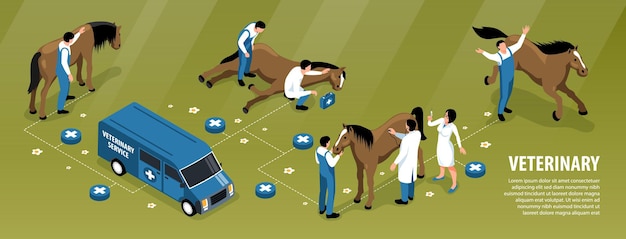
If you’re a horse owner in Georgia, you know how vital your horse’s digestive health is for peak performance and overall wellbeing. Gastric ulcers are a common concern affecting horses of all ages and disciplines, often leading to subtle changes in behavior, appetite, or performance. Yet, the process of diagnosing these ulcers can feel daunting, especially when it means hauling your horse to a clinic and managing the added stress that travel brings. That’s why Southern Crescent Equine Services in Newnan, GA is proud to offer equine gastroscopy at home—bringing advanced diagnostics right to your barn with our fully equipped mobile veterinary team.
In this blog, you’ll discover how mobile gastroscopy transforms the experience of horse gastric ulcer diagnosis, what you can expect when our veterinarians visit your property, and how this in-home approach benefits your horse’s health and comfort. Whether you’re searching for “mobile vet near me” or want the best in equine care without the stress of travel, our compassionate veterinary professionals are here to help. For those interested in the details of the gastroscopy process and its benefits, you can also read more about our Gastroscopy & Endoscopy services to diagnose and manage gastric ulcers and related equine conditions.
Recognizing the Signs: Does Your Horse Need Gastroscopy?
Gastric ulcers can be challenging to detect in horses, as many symptoms are subtle and easily mistaken for other issues. Horse owners in Newnan and surrounding communities often notice that their horses seem a bit “off,” but aren’t sure what’s wrong. Key symptoms of gastric ulcers in horses include a decline in appetite, unexplained weight loss, or a drop in performance during training or competition. You might also observe that your horse is showing signs of discomfort when being girthed, acting irritable during saddling, or displaying a generally sour attitude.
Other warning signs to watch for are mild, recurrent colic episodes, a dull coat, or a reluctance to drink. In some cases, horses may paw, lie down frequently, or grind their teeth, especially during or after eating. These symptoms are not unique to ulcers, but when seen together, they strongly suggest that a horse gastric ulcer diagnosis may be warranted. If you notice any of these issues and are searching for a “mobile veterinarian near me” who can provide on-site diagnostics, mobile equine gastroscopy at home offers a convenient, stress-free way to get answers.
Understanding Equine Gastric Ulcers: Causes and Risk Factors
Gastric ulcers occur when the lining of the horse’s stomach becomes damaged due to prolonged exposure to stomach acid. Horses are prone to ulcers because their stomachs produce acid continuously, even when they are not eating. Factors contributing to ulcer development include infrequent feeding, high-grain diets, intense exercise, and chronic stress. In Georgia, the fluctuating weather and competition schedules can further amplify these risks, making regular monitoring even more critical for horses in active training or travel.
Horses that are stalled for long periods, transported frequently, or undergo changes in routine are at a particularly high risk. Performance horses, broodmares, and even young horses can develop gastric ulcers under the right circumstances. It’s important for owners in Newnan, GA and surrounding communities to recognize that even subtle changes in feeding, environment, or exercise can contribute to ulcer formation. If your horse’s lifestyle includes any of these risk factors, having access to “mobile vet near me” services like gastroscopy at home becomes an invaluable resource for early detection and intervention.
Equine Gastroscopy at Home: The Diagnostic Process and Its Benefits
When you schedule equine gastroscopy at home with Southern Crescent Equine Services, our veterinary team arrives at your property with all the necessary equipment to perform a thorough examination. Gastroscopy is the gold standard for horse gastric ulcer diagnosis, using a specialized endoscope to visually inspect the lining of the stomach for lesions or erosions. This allows for an accurate assessment of ulcer location, severity, and response to any previous treatments.
The process begins with a brief discussion about your horse’s history, symptoms, and management routine. Horses must be fasted prior to the exam, so our veterinary professionals will provide you with customized instructions to ensure the procedure runs smoothly. Once your horse is ready, we administer a mild sedative to ensure comfort and safety throughout the examination. The endoscope is then passed through the nose and down into the stomach, giving real-time images for assessment.
What makes mobile equine gastroscopy in Newnan, GA especially valuable is the reduction in stress for both horse and owner. Your horse remains in the familiar environment of your barn, surrounded by routine sights and sounds. This minimizes anxiety, which not only keeps your horse calmer but can also yield more accurate diagnostic results. Personalized attention is another hallmark of our mobile service; you’ll have ample opportunity to discuss findings and next steps with our veterinarians, making the entire experience more collaborative and informative.
For a comprehensive overview of how this process works and why it’s so effective, visit our page on Gastroscopy & Endoscopy services to diagnose and manage gastric ulcers and related equine conditions.
What to Expect During Your Mobile Gastroscopy Visit
When our veterinary team arrives at your property in Newnan or a nearby community, you can expect a calm, organized process. We bring all necessary equipment, including the endoscope, sedation, and visualization tools. After confirming that your horse is properly fasted, we’ll set up in a clean, well-lit area of your barn or stable. The actual procedure takes about 20 to 30 minutes, and you’ll be able to view the images and discuss results with our veterinarians immediately afterward.
Post-procedure, many horses resume normal activity within a short period. Our veterinary professionals will provide clear instructions on post-exam care, feeding, and any necessary treatments, ensuring you feel confident in managing your horse’s recovery at home.
Managing and Treating Gastric Ulcers in Horses
If your horse is diagnosed with gastric ulcers via at-home gastroscopy, treatment options are straightforward and effective. Most cases are managed with medications that suppress acid production and promote healing of the stomach lining. Your veterinarian may recommend a combination of oral medications, adjustments to your horse’s feeding schedule, and changes in management to reduce stress. Ongoing communication with our mobile vet team ensures that you’ll receive tailored guidance throughout the healing process.
Follow-up gastroscopy can also be performed at your property if needed, allowing us to monitor healing and adjust treatment as necessary. This continuity of care is a major advantage of choosing mobile equine gastroscopy services in Newnan, GA, as it eliminates the need for repeated stressful trips to a clinic.
Preventing Gastric Ulcers: Proactive Steps for Georgia Horse Owners
Prevention is always the best strategy when it comes to gastric ulcers. Simple steps you can take at home include providing frequent access to forage, minimizing periods when your horse’s stomach is empty, and reducing reliance on high-grain concentrates. Offering turnout and maintaining a consistent routine can also help lower stress levels. When possible, try to limit prolonged stall confinement and provide opportunities for social interaction and natural grazing.
Regular checkups with a mobile veterinarian near me, such as our team at Southern Crescent Equine Services, can help identify risk factors early and ensure your horse’s management plan is optimized for digestive health. Our veterinarians are always happy to discuss nutrition, management, and the latest advances in ulcer prevention, whether during a routine visit or as part of a dedicated gastric health evaluation.
When to Seek Professional Equine Gastroscopy at Home
If you notice ongoing changes in your horse’s appetite, attitude, or performance, or if your horse has a history of colic or ulcers, it’s time to reach out to a veterinary professional for a thorough assessment. Early intervention is key to preventing complications and ensuring a swift recovery. Mobile equine gastroscopy at home in Newnan, GA offers unparalleled convenience, making it easier than ever to get answers without added stress for your horse.
Never attempt to diagnose or treat gastric ulcers without input from a veterinarian, as some signs may indicate other medical conditions requiring prompt attention. If you have questions or concerns, our team is here to provide support and guidance every step of the way.
Bringing Advanced Equine Care Home: Why Mobile Gastroscopy in Newnan, GA Is a Game-Changer
Choosing Southern Crescent Equine Services means you’re selecting a partner dedicated to your horse’s comfort and long-term health. By offering equine gastroscopy at home, we ensure that advanced diagnostics are accessible, convenient, and less stressful for both horses and owners throughout Newnan and surrounding communities. Our compassionate veterinary professionals provide personalized attention with every visit, taking the time to answer your questions and develop a treatment plan tailored to your horse’s unique needs.
If you’re searching for a “mobile veterinarian near me” or need expert horse gastric ulcer diagnosis in Newnan, GA, we’re ready to help. Schedule an in-home consultation today by calling (770) 252-6860, and let our veterinary team bring the highest standard of care right to your barn. For more information about our approach, explore our Gastroscopy & Endoscopy services to diagnose and manage gastric ulcers and related equine conditions.
Your horse’s digestive health matters, and with mobile equine gastroscopy in Newnan, GA, expert veterinary care is always within reach—right where your horse feels most at home.